1. Specifications Comparison
| Feature | Xiaomi Poco F5 | Nothing CMF Phone 1 | Practical Impact |
|---|---|---|---|
| Design | |||
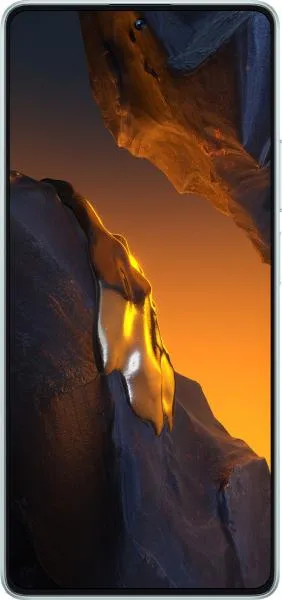
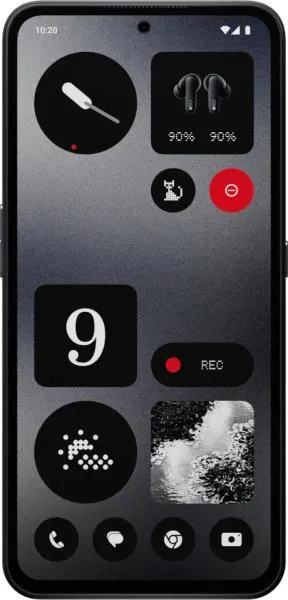
| Dimensions (mm) | 161.1 x 75 x 7.9 | 164 x 77 x 8.2 | Poco F5 is slightly smaller and thinner, potentially more comfortable for one-handed use. |
| Weight (g) | 181 | 197 | Poco F5 is noticeably lighter, reducing hand fatigue during extended use. |
| Fingerprint Sensor | Side-mounted | Under-display | Personal preference; side-mounted often faster, under-display more aesthetically integrated. |
| Display | |||
| Display Type | AMOLED | AMOLED | Both offer vibrant colors and deep blacks. |
| Size (inches) | 6.67 | 6.67 | Identical screen sizes. |
| Resolution | 1080 x 2400 | 1080 x 2400 | Same resolution, resulting in similar sharpness. |
| Refresh Rate (Hz) | 120 | 120 | Both offer smooth scrolling and animations. |
| Peak Brightness (nits) | 1000 | 2000 | CMF Phone 1 significantly brighter outdoors. |
| HDR Support | Dolby Vision, HDR10+ | Unspecified | Poco F5 supports wider HDR formats for better video playback quality on compatible content. |
| Color Depth | 68B | Unspecified | Poco F5 likely offers a wider color gamut for more accurate color representation, but confirmation is needed on CMF Phone 1's color depth. |
| Performance | |||
| Chipset | Snapdragon 7+ Gen 2 | Dimensity 7300 | Both are mid-range chipsets, but benchmarks would be needed to compare real-world performance differences. Snapdragon 7+ Gen 2 is generally considered more powerful. |
| CPU | Octa-core (1x2.91 GHz X2, 3x2.49 GHz A710, 4x1.8 GHz A510) | Octa-core (4x2.5 GHz A78, 4x2.0 GHz A55) | Different core configurations; Poco F5 likely benefits from the more powerful X2 core for demanding tasks. |
| GPU | Adreno 725 | Mali-G615 MC2 | Adreno 725 generally offers better gaming performance compared to Mali-G615 MC2. |
| RAM | 8GB/12GB | 6GB/8GB | Poco F5 offers a higher RAM option for better multitasking. |
| OS | Android 13 (upgradable to 14) | Android 14 (upgradable to 16) | CMF Phone 1 launches with a newer Android version and longer software support commitment. |
| Camera | |||
| Main Camera (MP) | 64 | 50 | Poco F5 has a higher resolution main sensor. |
| Ultrawide (MP) | 8 | N/A | Poco F5 has an ultrawide camera, CMF Phone 1 does not. |
| Macro (MP) | 2 | N/A | Poco F5 includes a dedicated macro lens. CMF Phone 1's macro capabilities are unclear. |
| Selfie (MP) | 16 | 16 | Similar selfie camera resolution. |
| Video | 4K@30fps with EIS, up to 1080p@120fps | 4K@30fps with EIS, up to 1080p@60fps | Poco F5 offers higher slow-motion video recording capabilities (120fps vs 60fps). |
| Battery | |||
| Capacity (mAh) | 5000 | 5000 | Identical battery capacities. |
| NFC | Yes | No | Poco F5 supports contactless payments and data transfer via NFC. |
2. Key Differences Analysis
Xiaomi Poco F5 Advantages:
- Performance: Likely more powerful CPU and GPU for demanding tasks and gaming.
- Camera Versatility: Offers an ultrawide and macro camera for wider shooting options.
- Higher Slow-Motion Video: Captures smoother slow-motion footage.
- NFC: Enables contactless payments.
Nothing CMF Phone 1 Advantages:
- Brighter Display: Significantly brighter for better outdoor visibility.
- Latest OS and Longer Updates: Ships with Android 14 and promised updates to Android 16.
- Potentially Lower Price: Starting price appears to be lower than the Poco F5.
3. User Profiles & Recommendations
Xiaomi Poco F5: Users who prioritize performance, gaming, camera versatility, and NFC functionality.
Nothing CMF Phone 1: Users who value a bright display, the latest software with longer update support, and a potentially lower price. Best for those who primarily use their phones for everyday tasks and media consumption.
4. Decision Framework
Key Questions:
- What is your budget? The Poco F5 might be slightly more expensive.
- What are your primary use cases? Gaming and photography benefit from the Poco F5; media consumption benefits from CMF Phone 1's brighter display.
- How important is software support? CMF Phone 1 offers a longer update commitment.
My Choice: Xiaomi Poco F5
While the Nothing CMF Phone 1 boasts a brighter display and longer software support, the Xiaomi Poco F5 is my choice. The superior performance offered by the Snapdragon 7+ Gen 2, coupled with the more versatile camera system (including ultrawide and macro lenses) and the inclusion of NFC for contactless payments, outweigh the benefits of the CMF Phone 1 for my personal needs. I prioritize a smooth user experience for demanding apps and games, and value having a comprehensive camera system for capturing various scenes. While screen brightness is important, I find the Poco F5's 1000 nits sufficient for most scenarios. Finally, although longer software support is a plus, the performance and feature advantages of the Poco F5 make it the more compelling device for me.
