1. Specifications Comparison
| Feature | Xiaomi Poco F5 | Honor X7b | Practical Impact |
|---|---|---|---|
| Design | |||
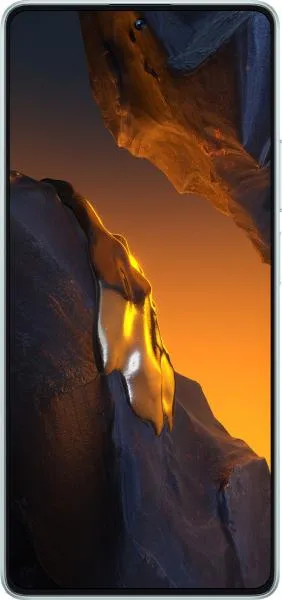
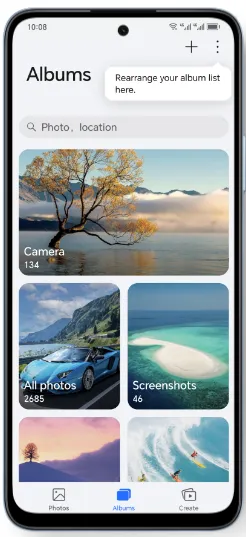
| Dimensions (mm) | 161.1 x 75 x 7.9 | 166.7 x 76.5 x 8.2 | Poco F5 is slightly smaller and thinner, making it potentially more pocketable. |
| Weight (g) | 181 | 199 | Poco F5 is noticeably lighter, reducing hand fatigue during extended use. |
| Display | |||
| Type | AMOLED | IPS LCD | Poco F5 offers deeper blacks, more vibrant colors, and better power efficiency due to AMOLED technology. |
| Size (inches) | 6.67 | 6.8 | Honor X7b has a slightly larger screen, providing more screen real estate for media consumption. |
| Resolution | 1080 x 2400 | 1080 x 2412 | Negligible difference in sharpness; both offer crisp visuals. |
| Refresh Rate (Hz) | 120 | 90 | Poco F5's 120Hz refresh rate provides smoother animations and scrolling compared to the 90Hz on the Honor X7b. |
| HDR | HDR10+, Dolby Vision | None specified | Poco F5 supports HDR standards, resulting in a significantly better viewing experience for compatible content with enhanced dynamic range and color accuracy. |
| Peak Brightness (nits) | 1000 | 850 (peak) | Poco F5 can get brighter, making it more readable in direct sunlight. |
| Performance | |||
| Chipset | Snapdragon 7+ Gen 2 (4nm) | Snapdragon 680 4G (6nm) | Poco F5 boasts a significantly more powerful processor, resulting in much faster performance for demanding tasks and gaming. |
| CPU | Octa-core (1x2.91 GHz Cortex-X2 & 3x2.49 GHz Cortex-A710 & 4x1.8 GHz Cortex-A510) | Octa-core (4x2.4 GHz Kryo 265 Gold & 4x1.9 GHz Kryo 265 Silver) | The Poco F5's CPU architecture, including the powerful Cortex-X2 core, delivers superior processing power. |
| GPU | Adreno 725 | Adreno 610 | Poco F5 offers a more capable GPU for smoother gaming and graphics-intensive applications. |
| RAM (GB) | 8/12 | 6/8 | While both offer ample RAM, the 12GB option on the Poco F5 allows for more apps to run in the background without reloading. |
| Camera | |||
| Main Camera (MP) | 64 | 108 | While the Honor X7b boasts higher megapixels, sensor size and other factors contribute to overall image quality, which cannot be determined solely from megapixels. Missing sensor details for the Honor X7b limit a thorough comparison. |
| Video Recording | 4K@30fps with EIS | 1080p@30fps | Poco F5 offers higher resolution video recording and Electronic Image Stabilization (EIS) for smoother footage. |
| Battery | |||
| Capacity (mAh) | 5000 | 5330 | Honor X7b has a slightly larger battery, potentially offering longer battery life. However, real-world usage depends on various factors including display type and processor efficiency. |
2. Key Differences Analysis
Xiaomi Poco F5 Advantages:
- Significantly superior performance: The Snapdragon 7+ Gen 2 outperforms the Snapdragon 680 4G in all aspects.
- Smoother Display: The 120Hz AMOLED display offers a significantly more fluid and responsive user experience.
- Better HDR Support: Enhanced visual experience with HDR10+ and Dolby Vision.
- Brighter Display: Improved outdoor visibility.
- Higher Resolution Video Recording: More detailed videos.
Honor X7b Advantages:
- Slightly Larger Battery: Potentially longer battery life, but real-world results depend on other factors.
- Slightly Larger Display: More screen real estate for some users.
- Lower Price: Generally more affordable based on provided pricing data.
Trade-offs:
- Poco F5: Higher price for significantly better performance and display.
- Honor X7b: Compromises on performance and display for a lower price and potentially longer battery life.
3. User Profiles & Recommendations
Xiaomi Poco F5: Ideal for users who prioritize performance, a smooth and vibrant display, and multimedia consumption. Suitable for demanding tasks like gaming, video editing, and multitasking.
Honor X7b: Suitable for budget-conscious users who primarily use their phones for basic tasks like calling, texting, browsing, and social media. Less demanding gamers may also find it acceptable.
4. Decision Framework
Key Questions for Buyers:
- What is your budget? The Poco F5 is more expensive but offers significantly better value in terms of performance and display.
- What are your primary use cases? For demanding tasks, the Poco F5 is a clear winner. For basic usage, the Honor X7b might suffice.
- How important is display quality and smoothness? The Poco F5's AMOLED display with 120Hz refresh rate is a major advantage.
Scenario-Based Recommendations:
- Gamer: Poco F5
- Power User: Poco F5
- Budget-conscious user with basic needs: Honor X7b
- Multimedia enthusiast: Poco F5
My Choice: Xiaomi Poco F5
While the Honor X7b offers a larger battery and lower price, the Xiaomi Poco F5 is the clear winner for me. The significantly superior performance provided by the Snapdragon 7+ Gen 2, combined with the smooth 120Hz AMOLED display and HDR support, offers a drastically better user experience. These factors outweigh the slightly larger battery and lower price of the Honor X7b, especially since I prioritize a smooth and responsive phone for tasks like gaming and multimedia consumption. The difference in build quality and design also leans in favor of the Poco F5. The investment in the more powerful and feature-rich Poco F5 would likely provide a more enjoyable and long-lasting user experience in the long run.
