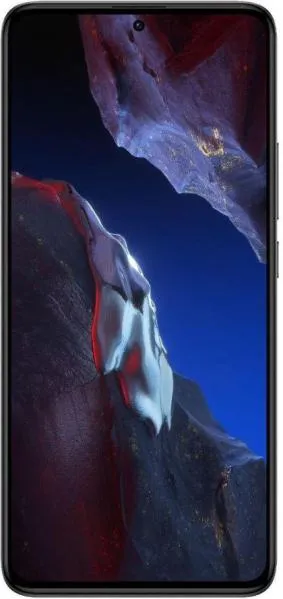

1. Specifications Comparison
| Feature | Category | Xiaomi Poco F5 Pro | Xiaomi 14T | Practical Impact |
|---|---|---|---|---|
| Dimensions | Design | 162.8 x 75.4 x 8.6 mm, 204g | 160.5 x 75.1 x 7.8 mm, 193g | The 14T is slightly smaller, thinner, and lighter, making it potentially more comfortable for one-handed use and pocket portability. |
| Build | Design | Build materials and durability are not specified for either phone, limiting a comprehensive comparison. | ||
| Display Size | Display | 6.67" | 6.67" | Both phones offer large displays suitable for media consumption and gaming. |
| Display Resolution | Display | 1440 x 3200 (WQHD+) | 1220 x 2712 (FHD+) | The Poco F5 Pro has a significantly sharper display, resulting in crisper text and images. The 14T's lower resolution might show slight pixelation, especially in VR applications. |
| Refresh Rate | Display | 120Hz | 144Hz | The 14T's higher refresh rate provides smoother animations and scrolling, particularly beneficial for gaming and fast-paced content. |
| Peak Brightness | Display | 1400 nits (typical), 1400 nits (peak) | 1600 nits (HBM), 4000 nits (peak) | The 14T boasts much higher peak brightness, ensuring significantly better visibility in direct sunlight. The provided typical brightness for Poco F5 Pro seems unusually low, possibly an error in the data. |
| Chipset | Performance | Snapdragon 8+ Gen 1 | Dimensity 8300 Ultra | Both are powerful chipsets, but the Snapdragon 8+ Gen 1 generally offers slightly better peak performance. The Dimensity 8300 Ultra is known for its efficiency. |
| CPU | Performance | Octa-core (1x3.0 GHz Cortex-X2 & 3x2.5 GHz Cortex-A710 & 4x1.80 GHz Cortex-A510) | Octa-core (1x3.35 GHz Cortex-A715 & 3x3.20 GHz Cortex-A715 & 4x2.20 GHz Cortex-A510) | Both CPUs offer strong multi-core performance. Architectural differences make direct clock speed comparisons less informative. Real-world performance would depend on optimization. |
| GPU | Performance | Adreno 730 | Mali-G615 MC6 | The Adreno 730 generally provides better gaming performance than the Mali-G615 MC6, particularly in demanding titles. |
| RAM | Performance | 8GB/12GB | 12GB | The 14T having 12GB RAM as standard provides better multitasking capabilities and future-proofing. |
| Main Camera | Camera | 64MP Omnivision OV64B | 50MP Sony IMX906 | Sensor size and pixel size are crucial here. The IMX906, despite lower resolution, has larger pixels (1.0µm vs 0.7µm) and a larger sensor (1/1.56" vs 1/2"), generally resulting in better low-light performance and dynamic range. |
| Telephoto | Camera | None | 50MP Samsung S5KJN1 | The 14T offers a dedicated telephoto lens for optical zoom, enabling clearer zoomed-in shots compared to digital zoom. The Poco F5 Pro lacks a telephoto lens. |
| Battery | Battery | 5160mAh | 5000mAh | The Poco F5 Pro has a slightly larger battery capacity, potentially offering slightly longer battery life. Real-world usage will vary. |
| OS | Software | Android 13 | Android 14 | The 14T ships with the latest Android version, offering newer features, security updates, and potentially longer software support. |
2. Key Differences Analysis
Xiaomi Poco F5 Pro Advantages:
- Sharper Display: The WQHD+ resolution provides significantly better clarity.
- Potentially Higher Peak Performance: The Snapdragon 8+ Gen 1 edges out the Dimensity 8300 Ultra in some benchmarks.
- Slightly Larger Battery: May translate to slightly longer usage time.
Xiaomi 14T Advantages:
- Higher Refresh Rate: Smoother user experience, especially in gaming.
- Brighter Display: Much better outdoor visibility.
- Dedicated Telephoto Lens: Enables lossless optical zoom.
- Newer OS: Access to latest features and longer software support.
- More RAM: Improved multitasking and future-proofing.
- Better Main Camera Sensor: Potentially superior low-light performance and dynamic range.
3. User Profiles & Recommendations
Xiaomi Poco F5 Pro: Users prioritizing raw performance, a sharper display for media consumption, and potentially longer battery life.
Xiaomi 14T: Users prioritizing a smooth display, excellent outdoor visibility, versatile camera system with optical zoom, latest software, and ample RAM for multitasking.
4. Decision Framework
Key Questions for Buyers:
- Is display sharpness paramount? If yes, the Poco F5 Pro's WQHD+ resolution is a clear winner.
- How important is camera versatility? The 14T's telephoto lens offers significant advantages for zoomed photography.
- Is having the latest software and longer support crucial? The 14T's Android 14 provides this advantage.
My Choice: Xiaomi 14T
While the Poco F5 Pro offers a sharper display and potentially slightly better peak performance, the Xiaomi 14T presents a more well-rounded package. The combination of a 144Hz AMOLED display with exceptional brightness, a versatile camera system with a dedicated telephoto lens, the latest Android version, larger RAM, and a superior main camera sensor makes it a more compelling device for most users. The slightly smaller and lighter design is also a plus. While benchmark numbers might favor the Poco F5 Pro in certain scenarios, the 14T's advantages in daily usage, future-proofing, and overall camera capabilities outweigh the minor performance differences. The superior main camera sensor in the 14T would likely result in noticeably better photos in various conditions, a significant factor for many users.
