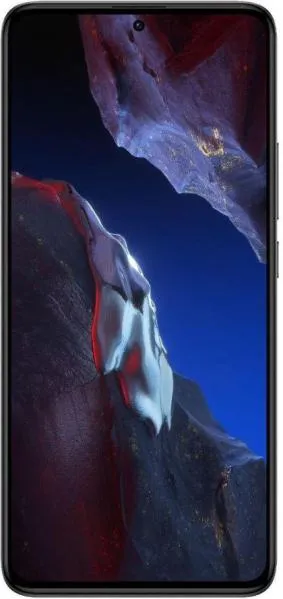

1. Specifications Comparison
| Feature | Xiaomi Poco F5 Pro | Xiaomi 14 | Practical Impact |
|---|---|---|---|
| Design | |||
| Dimensions (mm) | 162.8 x 75.4 x 8.6 | 152.8 x 71.5 x 8.2 | Xiaomi 14 is noticeably smaller and more pocketable. |
| Weight (g) | 204 | 188 | Xiaomi 14 is lighter and more comfortable for extended use. |
| Display | |||
| Size (inches) | 6.67 | 6.36 | Poco F5 Pro offers a larger screen for media consumption. |
| Resolution | 1440 x 3200 | 1200 x 2670 | Poco F5 Pro has a sharper display (higher pixel density). |
| Refresh Rate | 120Hz | 120Hz | Both offer smooth scrolling and animations. |
| Panel Type | AMOLED | LTPO OLED | Xiaomi 14's LTPO panel allows for dynamic refresh rate adjustment, potentially saving battery. |
| Peak Brightness | 1400 nits | 3000 nits | Xiaomi 14 is significantly brighter, improving outdoor visibility. |
| Performance | |||
| Chipset | Snapdragon 8+ Gen 1 | Snapdragon 8 Gen 3 | Xiaomi 14 has a newer, more powerful and efficient processor, resulting in faster performance and better battery life. |
| CPU | Octa-core (1x3.0 GHz Cortex-X2...) | Octa-core (1x3.3 GHz Cortex-X4...) | Xiaomi 14 boasts a faster CPU architecture, leading to improved multitasking and demanding application performance. |
| GPU | Adreno 730 | Adreno 750 | Xiaomi 14 has a more powerful GPU, beneficial for gaming and graphics-intensive tasks. |
| RAM | 8/12GB | 12/16GB | Xiaomi 14 offers higher RAM configurations for smoother multitasking, particularly beneficial for power users. |
| Camera | |||
| Main Camera | 64MP, f/1.79 | 50MP, f/1.6 | Xiaomi 14's main camera has a wider aperture, potentially capturing better low-light photos. Sensor size details for Xiaomi 14's main camera could greatly influence image quality. |
| Ultrawide | 8MP, f/2.2 | 50MP, f/2.2 | Xiaomi 14 has a vastly superior ultrawide camera in terms of resolution. |
| Telephoto | 2MP Macro | 50MP, f/2.0 | Xiaomi 14 offers a high-resolution telephoto lens with portrait capabilities, missing on the Poco F5 Pro. |
| Video | 8K@24fps | 8K@24fps | Both can record high-resolution video, but Xiaomi 14 features HDR video recording at various resolutions. |
| Battery | |||
| Capacity | 5160 mAh | 4610 mAh | Poco F5 Pro has a larger battery capacity, potentially offering longer battery life despite its less efficient chip. |
| Charging Speed | Not specified | Not specified | Cannot compare charging speeds without specific data. |
2. Key Differences Analysis
Xiaomi Poco F5 Pro Advantages:
- Larger Display: More immersive experience for media consumption.
- Higher Resolution Display: Sharper visuals for text and images.
- Larger Battery: Potential for longer battery life depending on usage.
Xiaomi 14 Advantages:
- Smaller and Lighter: More comfortable for one-handed use and portability.
- More Powerful and Efficient Chipset: Faster performance and better battery optimization.
- Significantly Brighter Display: Excellent outdoor visibility.
- Superior Camera System: Higher resolution sensors, wider apertures, dedicated telephoto lens, and HDR video recording capabilities.
- Faster RAM Options: Smoother multitasking, particularly for heavy users.
- Newer Bluetooth and Wifi: Slightly improved connectivity and data transfer speeds.
- More updated OS and promised longer support: Ensures latest features and security patches for a longer period.
3. User Profiles & Recommendations
Xiaomi Poco F5 Pro: Users prioritizing a large, sharp display and long battery life for media consumption, gaming, and general use on a budget.
Xiaomi 14: Users who value a compact, powerful phone with a top-tier camera system, excellent performance, and the latest technology. Suitable for power users, photographers, and those seeking a premium experience.
4. Decision Framework
Key Questions for Buyers:
- What is your budget? The Poco F5 Pro is generally more affordable.
- What screen size do you prefer? Larger screen (Poco F5 Pro) or more compact (Xiaomi 14)?
- What are your photography needs? The Xiaomi 14 has a significantly better camera system.
My Choice: Xiaomi 14
While the Poco F5 Pro offers a compelling value proposition with its large display and battery, the Xiaomi 14 is the superior device overall. The newer and more powerful Snapdragon 8 Gen 3, vastly improved camera system, brighter display, and more compact form factor are significant advantages. The promise of longer software updates also adds value in the long run. Although the battery is smaller, the efficiency of the 8 Gen 3 should offset this difference in real-world usage. While the Poco F5 Pro is a good budget option, the Xiaomi 14 offers a more comprehensive and future-proof experience, justifying the higher price for me.
