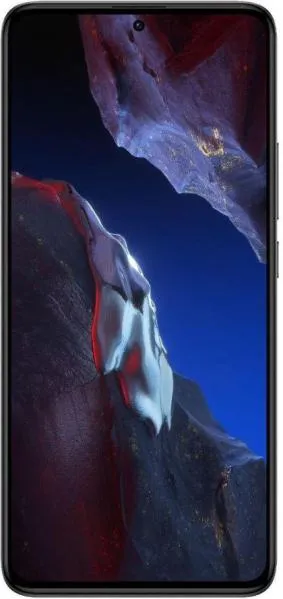

1. Specifications Comparison
| Feature | Xiaomi Poco F5 Pro | vivo V40 | Practical Impact |
|---|---|---|---|
| Design | |||
| Dimensions (mm) | 162.8 x 75.4 x 8.6 | 164.2 x 75 x 7.6 | The Vivo V40 is slightly taller and thinner. Poco F5 Pro is slightly thicker. Negligible difference in everyday use. |
| Weight (g) | 204 | 190 | The Vivo V40 is noticeably lighter, improving one-handed use and reducing pocket bulk. |
| Display | |||
| Size (inches) | 6.67 | 6.78 | Vivo V40 offers a marginally larger screen, but the difference is minimal. |
| Resolution | 1440 x 3200 | 1260 x 2800 | Poco F5 Pro boasts a significantly sharper display (526 ppi vs 453 ppi), resulting in crisper text and images. |
| Type | AMOLED, 120Hz | AMOLED, 120Hz | Both offer smooth scrolling and vibrant colors thanks to AMOLED and 120Hz refresh rate. |
| Peak Brightness | 1400 nits | 4500 nits | Vivo V40's significantly higher peak brightness ensures excellent outdoor visibility, even in direct sunlight. |
| HDR | Dolby Vision, HDR10+ | HDR10+ | Poco F5 Pro supports Dolby Vision, potentially offering a wider range of HDR content compatibility and slightly better image quality in supported content. |
| Performance | |||
| Chipset | Snapdragon 8+ Gen 1 | Snapdragon 7 Gen 3 | Poco F5 Pro's 8+ Gen 1 provides significantly more processing power for demanding tasks like gaming and video editing. |
| CPU | Octa-core (1x3.0 GHz Cortex-X2 & 3x2.5 GHz Cortex-A710 & 4x1.80 GHz Cortex-A510) | Octa-core (1x2.63 GHz Cortex-A715 & 3x2.4 GHz Cortex-A715 & 4x1.8 GHz Cortex-A510) | The Poco F5 Pro's superior CPU architecture and clock speeds translate to faster app loading, smoother multitasking, and better gaming performance. |
| GPU | Adreno 730 | Adreno 720 | Poco F5 Pro's more powerful GPU delivers better gaming graphics and faster rendering for visually demanding tasks. |
| RAM | 8GB/12GB | 12GB | While both offer ample RAM for multitasking, the Poco F5 Pro offers an 8GB option for potentially lower price points. |
| Camera | |||
| Main Camera | 64MP, f/1.79 | 50MP, f/1.88 | Resolution difference is less crucial than sensor and processing. Practical image quality comparison requires real-world sample analysis, which is not available from provided data. |
| Ultrawide | 8MP, f/2.2 | 50MP, f/2.4 | Vivo V40 has a much higher resolution ultrawide, potentially capturing more detail. However, sensor quality and processing will determine real-world results. |
| Selfie | 16MP, f/2.45 | 50MP, f/2.0 | Vivo V40's higher resolution selfie camera may capture more detailed self-portraits. |
| Video | 8K@24fps, 4K@60fps | 4K@30fps | Poco F5 Pro offers significantly higher video resolution and frame rate options, crucial for content creators and capturing high-quality footage. |
| Battery | |||
| Capacity | 5160 mAh | 5500 mAh | Vivo V40 has a slightly larger battery, potentially leading to longer battery life. However, real-world usage varies greatly depending on software optimization and user habits. |
2. Key Differences Analysis
Xiaomi Poco F5 Pro Advantages:
- Significantly more powerful: The Snapdragon 8+ Gen 1 provides a substantial performance advantage for demanding tasks and gaming.
- Sharper display: Higher resolution results in a crisper viewing experience.
- Higher video recording capabilities: 8K and 4K@60fps options cater to content creators.
- Potentially lower price with 8GB RAM option: Offers flexibility for budget-conscious buyers.
vivo V40 Advantages:
- Lighter and thinner: Improved handling comfort.
- Brighter display: Superior outdoor visibility.
- Larger battery: Potentially longer battery life.
- Higher resolution ultrawide and selfie cameras: Potentially better detail capture. Needs real-world sample analysis for confirmation.
3. User Profiles & Recommendations
Xiaomi Poco F5 Pro: Ideal for power users, gamers, and content creators who prioritize performance and a sharp display.
vivo V40: Suitable for users who value a lightweight design, excellent outdoor visibility, and potentially longer battery life. Good for casual photography and social media usage, pending real-world camera quality confirmation.
4. Decision Framework
Key Questions:
- What is your budget and how important is performance? The Poco F5 Pro offers significantly better performance but might be slightly more expensive in the 12GB RAM configuration.
- What is your primary use case? Gaming and content creation benefit from the Poco F5 Pro's power, while casual use and media consumption might favor the Vivo V40's brighter display and lighter design.
- How important is battery life and outdoor visibility? The Vivo V40 has a slight edge in these areas.
My Choice: Xiaomi Poco F5 Pro
Reasoning: While the Vivo V40 offers a compelling combination of features, the significant performance advantage of the Poco F5 Pro, along with its sharper display and superior video recording capabilities, outweighs the benefits of the V40 for my personal needs. I prioritize a smooth and responsive user experience, especially for demanding tasks and gaming. The lighter weight and brighter screen of the V40 are attractive, but the performance difference would be more impactful in my daily usage. I am also willing to accept a slightly smaller battery for the performance gains. The price difference, if any, between comparable RAM/storage configurations would be a secondary consideration given the substantial performance gap. Finally, the lack of detailed camera sensor specifications and sample images for the Vivo V40 prevents a definitive assessment of its camera quality, making the Poco F5 Pro a safer bet in terms of overall capabilities.
