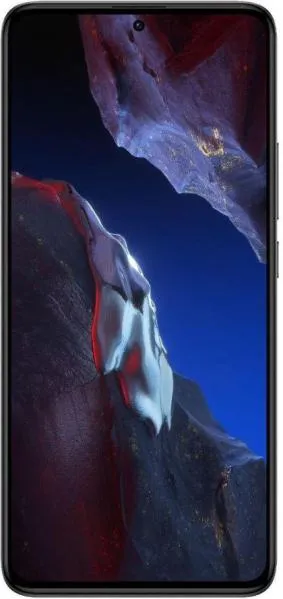
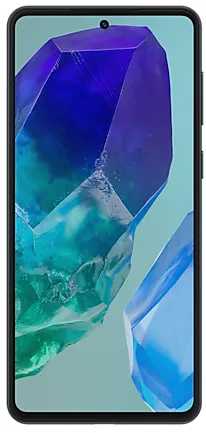
1. Specifications Comparison
| Feature | Xiaomi Poco F5 Pro | Samsung Galaxy M55 | Practical Impact |
|---|---|---|---|
| Design | |||
| Dimensions (mm) | 162.8 x 75.4 x 8.6 | 163.9 x 76.5 x 7.8 | Poco F5 Pro slightly smaller, but negligible difference. |
| Weight (g) | 204 | 180 | Galaxy M55 noticeably lighter, improving one-handed use. |
| Display | |||
| Size (inches) | 6.67 | 6.7 | Negligible size difference. |
| Resolution (px) | 1440 x 3200 | 1080 x 2400 | Significantly sharper and more detailed visuals on the Poco F5 Pro, especially for media consumption and gaming. |
| Display Type | AMOLED, 120Hz, Dolby Vision, HDR10+ | Super AMOLED+, 120Hz | Both offer smooth scrolling and animations. Poco F5 Pro supports Dolby Vision and HDR10+ for superior dynamic range and color accuracy in compatible content. |
| Peak Brightness (nits) | 1400 | 1000 (HBM) | Poco F5 Pro should offer better visibility in direct sunlight. |
| Performance | |||
| Chipset | Snapdragon 8+ Gen 1 | Snapdragon 7 Gen 1 | Poco F5 Pro offers significantly faster CPU and GPU performance, resulting in smoother multitasking, gaming, and demanding applications. |
| CPU | Octa-core (1x3.0 GHz Cortex-X2 & 3x2.5 GHz Cortex-A710 & 4x1.80 GHz Cortex-A510) | Octa-core (1x2.4 GHz Cortex-A710 & 3x2.36 GHz Cortex-A710 & 4x1.8 GHz Cortex-A510) | Faster clock speeds and more powerful core architecture in the Poco F5 Pro translate to a noticeable performance advantage. |
| RAM (GB) | 8/12 | 8 | Poco F5 Pro offers a 12GB RAM option for even smoother multitasking and demanding applications. |
| Camera | |||
| Main Camera (MP) | 64 | 50 | Poco F5 Pro has a higher resolution main sensor. Image quality depends on various factors beyond resolution; detailed comparison is limited by missing sensor details for the Galaxy M55. |
| Video Recording | 8K@24fps, 4K@60fps | 4K@30fps | Poco F5 Pro offers higher resolution and frame rate video recording capabilities. |
| Battery | |||
| Capacity (mAh) | 5160 | 5000 | Slightly larger battery in the Poco F5 Pro potentially leading to longer battery life; real-world usage will vary. |
2. Key Differences Analysis
Xiaomi Poco F5 Pro Advantages:
- Significantly higher performance: The Snapdragon 8+ Gen 1 offers a substantial advantage for demanding tasks and gaming.
- Sharper display: Higher resolution and Dolby Vision/HDR10+ support provide a superior visual experience.
- More versatile camera: Higher resolution sensor and 8K video recording offer more flexibility.
Samsung Galaxy M55 Advantages:
- Lighter weight: Noticeably lighter for comfortable one-handed use.
- Potentially lower price: Based on available pricing data, the Galaxy M55 is generally more affordable.
3. User Profiles & Recommendations
Xiaomi Poco F5 Pro: Ideal for users who prioritize performance, a high-quality display, and versatile camera capabilities. Excellent for mobile gamers, content creators, and power users.
Samsung Galaxy M55: Suitable for users seeking a lightweight, affordable phone for everyday tasks. Good for social media, browsing, and casual photography. Price-conscious buyers will find this appealing.
4. Decision Framework
Key Questions for Buyers:
- What is your budget? The Poco F5 Pro is positioned in a higher price bracket than the Galaxy M55.
- What are your primary use cases? Demanding tasks like gaming and content creation benefit from the Poco F5 Pro's performance, while casual use might not necessitate such power.
- Do you prioritize display quality and camera capabilities? The Poco F5 Pro offers a clear advantage in these areas.
Scenario-Based Recommendations:
- Gamer: Poco F5 Pro for its powerful processor and high refresh rate display.
- Casual User: Galaxy M55 for its affordability and lightweight design.
- Photographer/Videographer: Poco F5 Pro for its superior camera capabilities and 8K video recording.
My Choice: Xiaomi Poco F5 Pro
While the Samsung Galaxy M55 offers a lighter and more affordable option, the Xiaomi Poco F5 Pro's significant performance advantage, superior display, and more versatile camera make it the clear winner for me. I prioritize a smooth and responsive user experience, especially for demanding tasks and media consumption. The sharper display with HDR support is a significant draw, and the ability to record 8K video offers future-proofing. The slightly higher price is justified by the substantial upgrade in overall capabilities. The weight difference, while noticeable, is not a deal-breaker for me.
