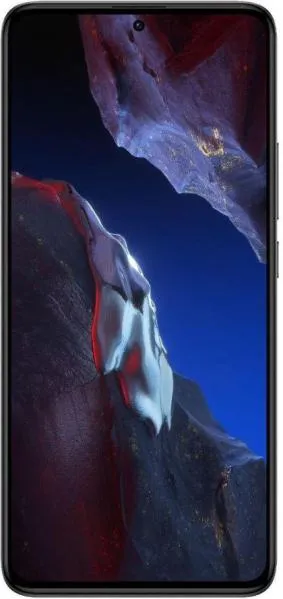

1. Specifications Comparison
| Feature | Xiaomi Poco F5 Pro | Realme 11 Pro | Practical Impact |
|---|---|---|---|
| Design | |||
| Dimensions (mm) | 162.8 x 75.4 x 8.6 | 161.7 x 73.9 x 8.2 | Poco F5 Pro is slightly larger and thicker. Realme 11 Pro might feel more compact in hand. |
| Weight (g) | 204 | 183 | Realme 11 Pro is noticeably lighter, reducing hand fatigue during extended use. |
| Display | |||
| Size (inches) | 6.67 | 6.7 | Negligible size difference in real-world usage. |
| Resolution | 1440 x 3200 | 1080 x 2412 | Poco F5 Pro has a significantly sharper display (526 ppi vs 394 ppi), resulting in crisper text and images. |
| Type | AMOLED, 120Hz | AMOLED, 120Hz | Both offer smooth scrolling and animations thanks to the 120Hz refresh rate. Poco F5 Pro boasts higher peak brightness (1400 nits vs 950 nits) and Dolby Vision support for superior HDR performance. |
| Performance | |||
| Chipset | Snapdragon 8+ Gen 1 | Dimensity 7050 | Poco F5 Pro features a flagship-level processor, offering significantly better performance in demanding tasks like gaming and multitasking. |
| CPU | Octa-core (1x3.0 GHz Cortex-X2 & 3x2.5 GHz Cortex-A710 & 4x1.80 GHz Cortex-A510) | Octa-core (2x2.6 GHz Cortex-A78 & 6x2.0 GHz Cortex-A55) | The superior core configuration of the Poco F5 Pro translates to faster processing speeds and smoother performance. |
| GPU | Adreno 730 | Mali-G68 MC4 | Poco F5 Pro's GPU provides a substantial advantage in graphics performance, crucial for gaming and media consumption. |
| RAM | 8GB/12GB | 8GB/12GB | Both offer ample RAM for smooth multitasking, though real-world performance will depend on other factors like software optimization. |
| Camera | |||
| Main Camera | 64MP, f/1.79 | 100MP, f/1.75 | Realme 11 Pro boasts a higher megapixel count but sensor size and other factors play a crucial role in image quality. Practical differences require real-world camera comparisons. |
| Video Recording | Up to 8K @ 24fps | Up to 4K @ 30fps | Poco F5 Pro supports higher resolution video recording. |
| Battery | |||
| Capacity | 5160 mAh | 5000 mAh | Poco F5 Pro has a slightly larger battery, potentially offering longer battery life. However, real-world usage can vary significantly. |
2. Key Differences Analysis
Xiaomi Poco F5 Pro Advantages:
- Significantly more powerful: The Snapdragon 8+ Gen 1 offers a substantial performance advantage over the Dimensity 7050, resulting in smoother gaming, faster app loading, and better multitasking.
- Sharper display: Higher resolution and pixel density result in a noticeably crisper viewing experience. Superior HDR performance with Dolby Vision.
- Higher resolution video recording: Captures more detail with 8K recording.
Realme 11 Pro Advantages:
- Lighter and potentially more comfortable to hold: Noticeably lower weight can be beneficial for extended use.
- Lower starting price: Offers a more budget-friendly option.
3. User Profiles & Recommendations
Xiaomi Poco F5 Pro: Ideal for power users, gamers, and those who prioritize performance and a top-tier display. Excellent for demanding tasks, media consumption, and content creation.
Realme 11 Pro: Suitable for users seeking a stylish, lightweight phone with good battery life for everyday tasks like social media, browsing, and casual photography. Best for budget-conscious buyers who don't require top-tier performance.
4. Decision Framework
Key Questions for Buyers:
- What is your budget? The Realme 11 Pro is significantly more affordable.
- What is your primary phone usage? For demanding tasks, the Poco F5 Pro is a better choice. For casual use, the Realme 11 Pro might suffice.
- Do you prioritize performance or portability? The Poco F5 Pro excels in performance, while the Realme 11 Pro is lighter and more compact.
My Choice: Xiaomi Poco F5 Pro
While the Realme 11 Pro offers a compelling price, the Xiaomi Poco F5 Pro is the clear winner for me. The significantly superior performance provided by the Snapdragon 8+ Gen 1, coupled with the sharper, brighter display, makes a huge difference in the overall user experience. I prioritize a smooth and responsive phone for demanding tasks and multimedia consumption, and the Poco F5 Pro delivers on that front. The slightly larger battery and higher resolution video recording capabilities are also welcome additions. The extra weight is a minor trade-off for the substantial performance gains. Ultimately, the Poco F5 Pro offers a more future-proof and enjoyable user experience.
