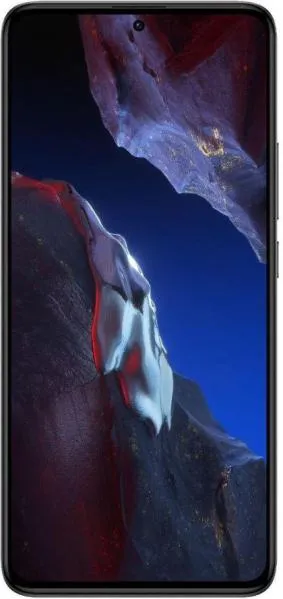

1. Specifications Comparison
| Feature | Xiaomi Poco F5 Pro | OnePlus 12R | Practical Impact |
|---|---|---|---|
| Design | |||
| Dimensions (mm) | 162.8 x 75.4 x 8.6 | 163.3 x 75.3 x 8.8 | Virtually identical in hand feel. |
| Weight (g) | 204 | 207 | Negligible weight difference. |
| Display | |||
| Size (inches) | 6.67 | 6.78 | OnePlus 12R offers slightly more screen real estate. |
| Resolution (px) | 1440 x 3200 | 1264 x 2780 | Poco F5 Pro has a sharper display (higher pixel density). |
| Panel Type | AMOLED | LTPO4 AMOLED | OnePlus 12R's LTPO4 panel allows for dynamic refresh rate adjustment, potentially saving battery. |
| Refresh Rate (Hz) | 120 | 120 | Both offer smooth scrolling and animations. |
| Peak Brightness (nits) | 1400 | 4500 | OnePlus 12R is significantly brighter, improving outdoor visibility. |
| Color Depth | 68B | 1B | OnePlus 12R boasts a wider color gamut, potentially resulting in more vibrant visuals. However, discernible differences may be minimal for average users. |
| Performance | |||
| Chipset | Snapdragon 8+ Gen 1 | Snapdragon 8 Gen 2 | OnePlus 12R utilizes a newer, more powerful and efficient chipset, leading to better performance and potentially improved battery life. |
| CPU | Octa-core (1x3.0 GHz Cortex-X2 & 3x2.5 GHz Cortex-A710 & 4x1.80 GHz Cortex-A510) | Octa-core (1x3.2 GHz Cortex-X3 & 2x2.8 GHz Cortex-A715 & 2x2.8 GHz Cortex-A710 & 3x2.0 GHz Cortex-A510) | OnePlus 12R has a more advanced CPU architecture, resulting in faster processing speeds. |
| GPU | Adreno 730 | Adreno 740 | OnePlus 12R's GPU offers better graphics performance for demanding games and applications. |
| RAM (GB) | 8/12 | 8/16 | OnePlus 12R offers a 16GB RAM option, benefiting heavy multitaskers. |
| Camera | |||
| Main Camera (MP) | 64 | 50 | While megapixel count is lower on the 12R, the Sony IMX890 sensor often used in 50MP cameras is known for excellent performance. Image quality will depend on sensor tuning and processing. |
| Video Recording | Up to 8K@24fps | Up to 4K@60fps | Poco F5 Pro offers higher resolution video recording, but OnePlus 12R likely has better stabilization with OIS and EIS on all video modes. |
| Battery | |||
| Capacity (mAh) | 5160 | 5500 | OnePlus 12R has a slightly larger battery, potentially offering longer usage time. |
2. Key Differences Analysis
Xiaomi Poco F5 Pro Advantages:
- Sharper Display: Higher pixel density provides more detail.
- 8K Video Recording: Offers higher resolution video recording capability.
OnePlus 12R Advantages:
- More Powerful Performance: Newer generation chipset and CPU offer noticeable speed improvements.
- Brighter Display: Significantly brighter for better outdoor visibility.
- Larger Battery: Potentially longer battery life.
- Wider Color Gamut: Potentially more vibrant colors, though the difference may be subtle.
- More Recent OS: Ships with Android 14 with longer support planned.
Trade-offs:
- Poco F5 Pro: Older chipset, potentially shorter software support lifespan.
- OnePlus 12R: Lower resolution main camera sensor (but potentially higher quality due to sensor and processing), no 8K video recording.
3. User Profiles & Recommendations
Xiaomi Poco F5 Pro: Users prioritizing a sharp display and 8K video recording on a budget.
OnePlus 12R: Users seeking the best possible performance, a brighter display, and longer battery life. Future-proofing is also stronger with the newer hardware and OS.
4. Decision Framework
Key Questions for Buyers:
- Is peak performance a priority? If yes, the OnePlus 12R's Snapdragon 8 Gen 2 is the clear winner.
- How important is battery life? The OnePlus 12R's larger battery and LTPO display suggest better longevity.
- Is a sharper display or brighter display more important? The Poco F5 Pro is sharper, but the OnePlus 12R is significantly brighter outdoors.
My Choice: OnePlus 12R
While the Poco F5 Pro offers a sharper display and 8K video, the OnePlus 12R's superior performance, brighter display, larger battery, and newer OS make it the more compelling device for me. The Snapdragon 8 Gen 2 provides a significant performance leap, benefiting everyday tasks, gaming, and future-proofing the device. The brighter display is crucial for outdoor use, and the larger battery provides peace of mind. Although 8K video is a nice feature, 4K at 60fps with superior stabilization is likely more practical for most users. Finally, the newer Android version and longer support window ensures software updates and security patches for a longer period. The slightly higher price for the OnePlus 12R is justified by these tangible benefits in long-term use.
