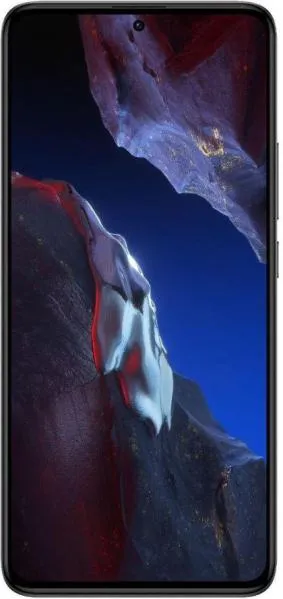

1. Specifications Comparison
| Feature | Xiaomi Poco F5 Pro | Motorola Edge 50 Ultra | Practical Impact |
|---|---|---|---|
| Design | |||
| Dimensions (mm) | 162.8 x 75.4 x 8.6 | 161.1 x 72.4 x 8.6 | Motorola is slightly smaller and lighter, potentially improving one-handed use. |
| Weight (g) | 204 | 197 | Negligible weight difference in practical use. |
| Display | |||
| Size (inches) | 6.67 | 6.7 | Virtually identical screen sizes. |
| Resolution (px) | 1440 x 3200 | 1220 x 2712 | Poco F5 Pro has a sharper display (higher pixel density), resulting in crisper text and images. Motorola's lower resolution benefits battery life. |
| Refresh Rate (Hz) | 120 | 144 | Motorola's higher refresh rate provides smoother animations and scrolling, especially noticeable in gaming and fast-paced content. |
| Display Type | AMOLED | P-OLED | Both offer excellent contrast and vibrant colors. P-OLED can be more power efficient. |
| Peak Brightness (nits) | 1400 | 2500 | Motorola's significantly higher peak brightness ensures better visibility in direct sunlight. |
| Performance | |||
| Chipset | Snapdragon 8+ Gen 1 | Snapdragon 8s Gen 3 | Motorola has a newer, potentially more powerful processor. Performance differences may vary depending on optimization. |
| CPU | Octa-core | Octa-core (specs incomplete) | Detailed comparison not possible without full Motorola CPU clock speed and core configuration. |
| GPU | Adreno 730 | Adreno 735 | Motorola has a slightly newer GPU, potentially offering a minor performance boost in graphics-intensive tasks. |
| RAM (GB) | 12 | 16 | Motorola offers more RAM, enabling better multitasking and smoother performance with many apps open. |
| Camera | |||
| Main Camera (MP) | 64 | 50 | Poco has a higher resolution main sensor. Motorola uses a newer 50MP sensor with larger pixels (2.0µm vs 0.7µm) potentially capturing more light in low-light conditions. |
| Ultrawide (MP) | 8 | 50 | Motorola's ultrawide offers significantly higher resolution. |
| Telephoto | N/A | 64 | Motorola has a dedicated telephoto lens for optical zoom, a significant advantage for capturing distant subjects. |
| Video | 8K@24fps | 4K@60fps | Poco offers higher resolution video recording but at a lower frame rate. Motorola offers a superior 960fps slow motion capture. |
| Battery | |||
| Capacity (mAh) | 5160 | 4500 | Poco F5 Pro has a larger battery, likely resulting in longer battery life. |
| OS | Android 13 | Android 14 | Motorola comes with a newer Android version, offering potential features and security updates. Motorola also promises longer OS support. |
2. Key Differences Analysis
Xiaomi Poco F5 Pro Advantages:
- Sharper Display: Higher resolution for crisper visuals.
- Larger Battery: Potentially longer battery life.
- 8K Video Recording: Higher resolution video recording capability.
Motorola Edge 50 Ultra Advantages:
- Smoother Display: Higher refresh rate for more fluid user experience.
- More Powerful Processor & GPU: Newer generation chipset potentially offering better performance.
- More RAM: Improved multitasking capabilities.
- Brighter Display: Superior outdoor visibility.
- Versatile Camera System: Dedicated telephoto lens for optical zoom and a high-resolution ultrawide sensor.
- Newer Android Version with Longer Support: Access to latest features and longer security updates.
- Faster Charging and Data Transfer: USB 3.1 Gen 2 with DisplayPort 1.4 support.
Trade-offs:
- Poco F5 Pro: Higher resolution display might consume more battery. 8K recording is less practical due to large file sizes and limited use cases.
- Motorola Edge 50 Ultra: Smaller battery capacity might result in shorter battery life despite P-OLED efficiency.
3. User Profiles & Recommendations
Xiaomi Poco F5 Pro: Suitable for users prioritizing sharp displays, longer battery life, and who don't require a telephoto lens. Ideal for media consumption, web browsing, and casual gaming. Good value for its price.
Motorola Edge 50 Ultra: Ideal for users who value a smooth, bright display, powerful performance, a versatile camera system with optical zoom, and the latest Android features. Suitable for demanding tasks, gaming, photography enthusiasts, and those desiring longer software support.
4. Decision Framework
Key Questions for Buyers:
- How important is camera versatility? If optical zoom and high-quality ultrawide photos are crucial, the Motorola is the clear winner.
- Is display smoothness or sharpness more important? Prioritize Motorola for smoother scrolling and gaming, Poco for crisper text and images.
- What's your budget and how much do you value future-proofing? The Motorola, while more expensive, offers a newer chipset, more RAM, and longer software updates.
Scenario-Based Recommendations:
- Heavy gamer: Motorola Edge 50 Ultra for its higher refresh rate, powerful processor, and more RAM.
- Photography enthusiast: Motorola Edge 50 Ultra for its versatile camera system with optical zoom.
- Budget-conscious user prioritizing battery life: Xiaomi Poco F5 Pro.
My Choice: Motorola Edge 50 Ultra
While the Poco F5 Pro offers a compelling value proposition with its sharp display and large battery, the Motorola Edge 50 Ultra edges out as the superior device overall. The combination of a smoother 144Hz display, a more powerful processor, a significantly more versatile camera system with a dedicated telephoto lens, newer Android version with longer support, and faster USB connectivity makes it the more compelling choice for my needs. I prioritize performance, camera quality, and future-proofing, and the Motorola delivers better in these areas. The slightly higher price is justified by these significant advantages. The brighter display is crucial for outdoor usage, and the longer software support ensures the phone remains relevant for a longer period. While battery life might be a slight concern, the advantages outweigh this potential drawback for me.
