1. Specifications Comparison
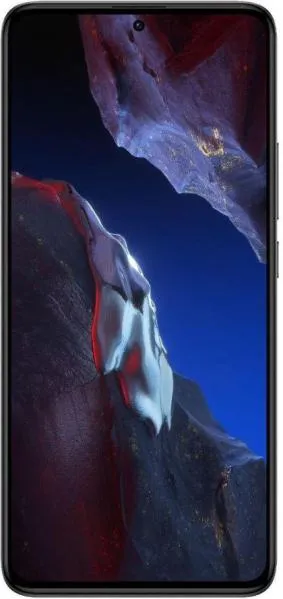
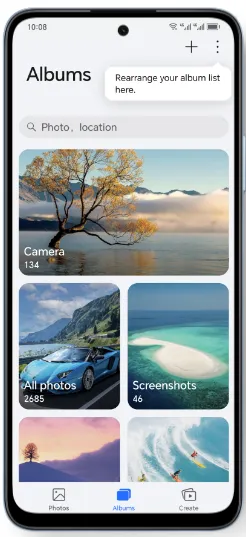
| Feature | Xiaomi Poco F5 Pro | Honor X7b | Practical Impact |
|---|---|---|---|
| Design | |||
| Dimensions (mm) | 162.8 x 75.4 x 8.6 | 166.7 x 76.5 x 8.2 | Poco F5 Pro is slightly smaller and thinner. |
| Weight (g) | 204 | 199 | Negligible weight difference in real-world usage. |
| Display | |||
| Display Type | AMOLED | IPS LCD | Poco F5 Pro offers richer colors, deeper blacks, and better power efficiency due to AMOLED technology. |
| Display Size (inches) | 6.67 | 6.8 | Honor X7b has a slightly larger screen, but the difference is minimal. |
| Resolution | 1440 x 3200 | 1080 x 2412 | Poco F5 Pro has a significantly sharper display (526 ppi vs 389 ppi), resulting in crisper text and images. |
| Refresh Rate (Hz) | 120 | 90 | Poco F5 Pro's higher refresh rate provides smoother scrolling and animations. |
| Peak Brightness (nits) | 1400 | 850 (unverified peak) | Poco F5 Pro should be significantly brighter and more visible in direct sunlight. Missing confirmed peak brightness for Honor limits comparison. |
| Performance | |||
| Chipset | Snapdragon 8+ Gen 1 | Snapdragon 680 | Poco F5 Pro offers vastly superior processing power for demanding tasks, gaming, and multitasking. |
| CPU | Octa-core (3.0 GHz Cortex-X2...) | Octa-core (2.4 GHz Kryo 265...) | Poco F5 Pro's CPU architecture provides significantly faster performance. |
| GPU | Adreno 730 | Adreno 610 | Poco F5 Pro's GPU delivers significantly better gaming performance and graphics rendering. |
| RAM (GB) | 8/12 | 6/8 | Poco F5 Pro offers more RAM in its configurations, improving multitasking and overall responsiveness. |
| Camera | |||
| Main Camera (MP) | 64 | 108 | Honor X7b has a higher megapixel count, but sensor size and other factors determine overall image quality, not just megapixels. |
| Video Recording | Up to 8K @ 24fps | Up to 1080p @ 30fps | Poco F5 Pro offers significantly higher resolution video recording capabilities. |
| Battery | |||
| Capacity (mAh) | 5160 | 5330 | Honor X7b has a slightly larger battery capacity, but real-world battery life depends on various factors, including display type and processor efficiency. |
2. Key Differences Analysis
Xiaomi Poco F5 Pro Advantages:
- Significantly more powerful: The Snapdragon 8+ Gen 1 chipset provides a massive performance advantage for demanding tasks and gaming.
- Superior display: The AMOLED display with 120Hz refresh rate and higher resolution offers a much better visual experience.
- Higher resolution video recording: Up to 8K recording compared to 1080p on the Honor X7b.
Honor X7b Advantages:
- Slightly larger battery: Potentially longer battery life, although real-world usage will vary.
- Lower price: Offers a more budget-friendly option.
Trade-offs:
- Performance vs. Price: The Poco F5 Pro's superior performance comes at a higher price.
- Display Quality vs. Battery Life: The Poco F5 Pro's AMOLED display consumes more power at higher brightness than the Honor X7B's LCD, potentially impacting battery life despite having a smaller battery.
3. User Profiles & Recommendations
Xiaomi Poco F5 Pro: Users who prioritize performance, a high-quality display, and advanced features like high-resolution video recording. Ideal for gamers, power users, and content creators.
Honor X7b: Users on a tighter budget who prioritize basic functionality, a large screen, and potentially longer battery life. Suitable for casual users primarily focused on communication, social media, and light web browsing.
4. Decision Framework
Key Questions for Buyers:
- What is your budget? The Poco F5 Pro is significantly more expensive.
- What are your primary smartphone usage patterns? Gamers and power users will benefit from the Poco F5 Pro's performance.
- How important is display quality? The AMOLED display on the Poco F5 Pro offers a superior visual experience.
My Choice: Xiaomi Poco F5 Pro
While the Honor X7b offers a larger battery and a lower price, the Xiaomi Poco F5 Pro is the clear winner for me. The significant difference in performance, the vastly superior display quality (AMOLED with 120Hz), and the ability to record higher resolution videos are crucial factors for my usage. I prioritize a smooth and responsive user experience, enjoy mobile gaming, and appreciate a vibrant and sharp display. The price difference is justified by the substantial upgrade in overall quality and capabilities. The slightly smaller battery is a trade-off I'm willing to make for the significantly enhanced user experience.
