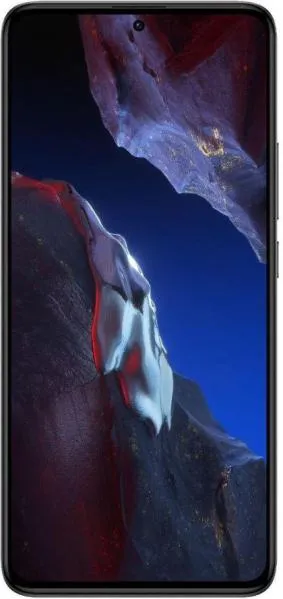

1. Specifications Comparison
| Feature | Xiaomi Poco F5 Pro | Asus Zenfone 11 Ultra | Practical Impact |
|---|---|---|---|
| Design | |||
| Dimensions (mm) | 162.8 x 75.4 x 8.6 | 163.8 x 76.8 x 8.9 | Zenfone 11 Ultra is slightly larger and thicker. |
| Weight (g) | 204 | 224 | Poco F5 Pro is noticeably lighter, more comfortable for extended use. |
| Display | |||
| Size (inches) | 6.67 | 6.78 | Negligible difference in screen real estate. |
| Resolution | 1440 x 3200 | 1080 x 2400 | Poco F5 Pro has a significantly sharper display (526 ppi vs 388 ppi), resulting in crisper text and images. |
| Refresh Rate (Hz) | 120 | 144 | Zenfone 11 Ultra offers a smoother experience for gaming and scrolling, but the difference might not be noticeable for all users. |
| Panel Type | AMOLED | LTPO AMOLED | Both offer excellent contrast and vibrant colors. Zenfone's LTPO panel allows for dynamic refresh rate adjustment, potentially saving battery. |
| Peak Brightness (nits) | 1400 | 2500 | Zenfone 11 Ultra is significantly brighter, improving outdoor visibility. |
| Performance | |||
| Chipset | Snapdragon 8+ Gen 1 | Snapdragon 8 Gen 3 | Zenfone 11 Ultra has a newer, more powerful processor, leading to better performance in demanding tasks and potentially improved power efficiency. |
| CPU | Octa-core (1x3.0 GHz X2 & 3x2.5 GHz A710 & 4x1.80 GHz A510) | Octa-core (1x3.3 GHz X4 & 3x3.2 GHz A720 & 2x3.0 GHz A720 & 2x2.3 GHz A520) | Zenfone 11 Ultra's CPU architecture offers performance improvements due to the newer core designs. |
| GPU | Adreno 730 | Adreno 750 | Zenfone 11 Ultra has a more powerful GPU, resulting in better gaming performance. |
| RAM | 8GB (as reviewed) | 12/16GB | Zenfone 11 Ultra offers more RAM, enabling better multitasking and smoother performance with numerous apps open. |
| Camera | |||
| Main Camera (MP) | 64 | 50 | While megapixels aren't everything, Poco F5 Pro has a higher resolution main sensor. Zenfone uses a larger sensor (1/1.56" vs 1/2") allowing for better low light performance. |
| Ultrawide (MP) | 8 | 13 | Zenfone has a slightly higher resolution ultrawide. |
| Telephoto | No | Yes (32MP 3x optical zoom) | Zenfone offers optical zoom for better quality zoomed images, a significant advantage. |
| Video | Up to 8K@24fps | Up to 8K@24fps | Both can record high-resolution video. Zenfone offers 6-axis gimbal stabilization, leading to significantly smoother video footage. |
| Battery | |||
| Capacity (mAh) | 5160 | 5500 | Zenfone 11 Ultra has a slightly larger battery capacity, potentially offering longer battery life. |
2. Key Differences Analysis
Xiaomi Poco F5 Pro Advantages:
- Sharper Display: Higher pixel density provides a noticeably crisper viewing experience.
- Lighter Weight: More comfortable for one-handed use and extended periods.
- Lower Price: Generally more affordable (based on provided price ranges).
Asus Zenfone 11 Ultra Advantages:
- More Powerful Performance: Newer chipset and more RAM provide a significant performance advantage for demanding tasks and gaming.
- Brighter Display: Much brighter for better outdoor visibility.
- Better Camera System: Offers optical zoom, a larger main sensor, and superior video stabilization.
- Larger Battery: Potentially longer battery life.
- Longer Software Support: Expected to receive more Android OS updates.
3. User Profiles & Recommendations
Xiaomi Poco F5 Pro: Ideal for users who prioritize a sharp display, a lightweight phone, and value for their money. Excellent for web browsing, media consumption, and casual gaming.
Asus Zenfone 11 Ultra: Best suited for users who demand top-tier performance, a great camera system with optical zoom and excellent video stabilization, and a bright display for outdoor use. Ideal for power users, mobile gamers, and photography enthusiasts.
4. Decision Framework
Key Questions for Buyers:
- What is your budget? The Poco F5 Pro offers excellent value.
- What are your primary use cases? Gaming and photography enthusiasts will benefit from the Zenfone's superior performance and camera.
- How important is software support? The Zenfone 11 Ultra is likely to receive OS updates for a longer period.
Scenario-Based Recommendations:
- Tight budget, general use: Poco F5 Pro
- Heavy gamer, photographer: Zenfone 11 Ultra
- Value seeker, prioritizing display sharpness: Poco F5 Pro
My Choice: Asus Zenfone 11 Ultra
While the Poco F5 Pro offers excellent value, the Zenfone 11 Ultra's superior performance, significantly better camera system with optical zoom and gimbal stabilization, brighter display, and longer software support make it the better overall choice for me. I prioritize future-proofing and having a device that can handle demanding tasks and capture high-quality photos and videos. The slightly higher price and heavier weight are acceptable trade-offs for the significant gains in other areas.
