1. Specifications Comparison
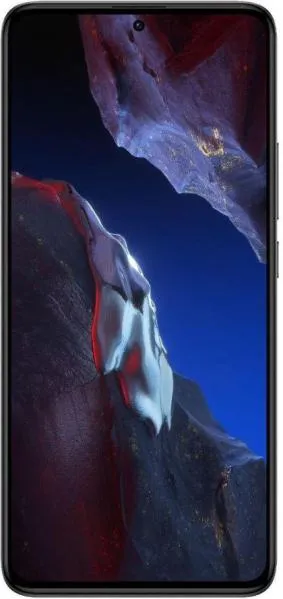
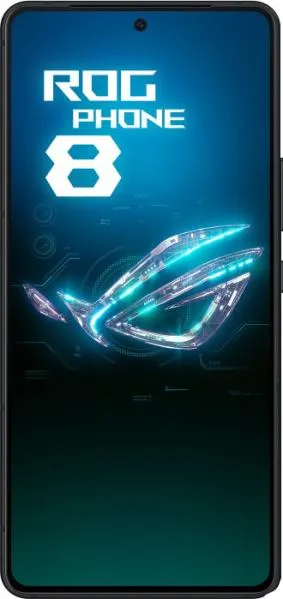
| Feature | Xiaomi Poco F5 Pro | Asus ROG Phone 8 | Practical Impact |
|---|---|---|---|
| Design | |||
| Dimensions (mm) | 162.8 x 75.4 x 8.6 | 163.8 x 76.8 x 8.9 | ROG Phone 8 is slightly larger and thicker. |
| Weight (g) | 204 | 225 | ROG Phone 8 is noticeably heavier. |
| Display | |||
| Size (inches) | 6.67 | 6.78 | Negligible difference in screen real estate. |
| Resolution | 1440 x 3200 | 1080 x 2440 | Poco F5 Pro has a significantly sharper display (526 ppi vs 388 ppi), resulting in crisper text and images. |
| Refresh Rate (Hz) | 120 | 165 | ROG Phone 8 offers a higher refresh rate, leading to smoother animations and potentially a more responsive gaming experience. |
| Panel Type | AMOLED | LTPO AMOLED | Both are AMOLED, offering vibrant colors and deep blacks. ROG Phone 8's LTPO panel allows for dynamic refresh rate adjustment, potentially saving battery. |
| Peak Brightness (nits) | 1400 | 2500 | ROG Phone 8 boasts much higher peak brightness, ensuring better visibility in direct sunlight. |
| Performance | |||
| Chipset | Snapdragon 8+ Gen 1 | Snapdragon 8 Gen 3 | ROG Phone 8 utilizes a newer generation chipset, promising significant performance gains in CPU and GPU tasks. |
| CPU | Octa-core (1x3.0 GHz X2 & 3x2.5 GHz A710 & 4x1.8 GHz A510) | Octa-core (1x3.3 GHz X4 & 3x3.2 GHz A720 & 2x3.0 GHz A720 & 2x2.3 GHz A520) | ROG Phone 8's CPU features newer architecture and higher clock speeds, translating to faster app loading, smoother multitasking, and improved gaming performance. |
| GPU | Adreno 730 | Adreno 750 | ROG Phone 8's newer GPU delivers better gaming performance and graphics rendering. |
| RAM (GB) | 8/12 | 12/16 | ROG Phone 8 offers higher RAM configurations, enhancing multitasking capabilities and enabling smoother handling of demanding applications. |
| Camera | |||
| Main Camera (MP) | 64 | 50 | While Poco F5 Pro has a higher megapixel count, ROG Phone 8 utilizes the superior Sony IMX890 sensor, likely resulting in better image quality, especially in low light. |
| Ultrawide (MP) | 8 | 13 | ROG Phone 8 offers a higher resolution ultrawide camera. |
| Battery | |||
| Capacity (mAh) | 5160 | 5500 | ROG Phone 8 has a slightly larger battery capacity, potentially offering longer usage time. |
2. Key Differences Analysis
Xiaomi Poco F5 Pro Advantages:
- Sharper Display: Higher pixel density provides a noticeably crisper visual experience.
- Potentially More Affordable: Depending on specific configurations and market prices.
Asus ROG Phone 8 Advantages:
- Superior Performance: Newer generation chipset and higher RAM provide significantly faster and smoother overall performance.
- Better Gaming Experience: Higher refresh rate display, more powerful GPU, and gaming-focused features contribute to a more immersive and responsive gaming experience.
- Brighter Display: Improved outdoor visibility.
- Larger Battery: Potentially longer battery life.
- Newer Android Version: Offers longer software support and the latest features.
- DisplayPort 1.4: Enables connection to external displays for a desktop-like experience.
Trade-offs:
- ROG Phone 8's lower resolution display: While offering a higher refresh rate and brighter panel, the lower resolution may be noticeable to some users.
- ROG Phone 8's higher price and weight: Users prioritizing portability and affordability might find the Poco F5 Pro more appealing.
3. User Profiles & Recommendations
Xiaomi Poco F5 Pro:
- Ideal User: Budget-conscious users seeking a sharp display and good overall performance for everyday tasks, multimedia consumption, and light gaming.
- Use Cases: Web browsing, social media, video streaming, casual photography.
Asus ROG Phone 8:
- Ideal User: Gamers, power users, and enthusiasts who demand top-tier performance, a smooth and responsive display, and the latest features. Content creators who value connecting to an external display.
- Use Cases: Demanding mobile gaming, video editing, multitasking, content creation.
4. Decision Framework
Key Questions:
- What is your budget? The ROG Phone 8 is positioned as a premium device with a higher price tag.
- What are your primary use cases? For gaming and demanding tasks, the ROG Phone 8 is the clear winner. For everyday tasks and multimedia consumption, the Poco F5 Pro is a strong contender.
- Do you prioritize display sharpness or refresh rate? The Poco F5 Pro excels in sharpness, while the ROG Phone 8 offers a smoother experience with a higher refresh rate but lower resolution.
My Choice: Asus ROG Phone 8
While the Poco F5 Pro offers a compelling value proposition with its sharp display, I would choose the Asus ROG Phone 8. The significant performance upgrade with the Snapdragon 8 Gen 3, coupled with the higher refresh rate display and the extra RAM makes it a future-proof device. The brighter display is crucial for outdoor usage, and the inclusion of DisplayPort 1.4 expands its usability for productivity tasks. As a power user who values performance and longevity, the ROG Phone 8 aligns better with my needs, despite the higher price and weight. The superior main camera sensor in the ROG Phone 8 is also a deciding factor for me. The sharper screen on the Poco F5 Pro is tempting, but the overall performance and feature set of the ROG Phone 8 make it the more compelling device for my use case.
