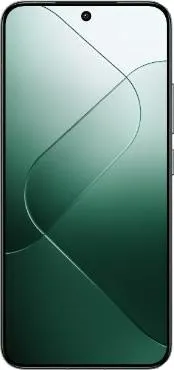

1. Specifications Comparison
| Feature | Xiaomi 14 | ZTE nubia Z60 Ultra | Practical Impact | |
|---|---|---|---|---|
| Design | ||||
| Dimensions | 152.8 x 71.5 x 8.2 mm | 164 x 76.4 x 8.8 mm | Xiaomi 14 is significantly smaller and lighter, making it more pocketable and comfortable for one-handed use. ZTE is larger, potentially less comfortable for extended use. | |
| Weight | 188g | 246g | Xiaomi 14 is noticeably lighter, reducing hand fatigue. ZTE's weight might be noticeable during prolonged use. | |
| Display | ||||
| Size | 6.36 inches | 6.8 inches | ZTE offers a larger screen for more immersive media consumption, but may be less manageable. | |
| Type | LTPO OLED | AMOLED | Both offer excellent image quality. LTPO allows for dynamic refresh rate adjustment on the Xiaomi, potentially saving battery. | |
| Resolution | 1200 x 2670 | 1116 x 2480 | Xiaomi has a slightly sharper display due to higher pixel density (460 ppi vs 400 ppi). | |
| Peak Brightness | 3000 nits | 1500 nits | Xiaomi 14's significantly higher peak brightness ensures better visibility in direct sunlight. | |
| Performance | ||||
| Chipset | Snapdragon 8 Gen 3 (4 nm) | Snapdragon 8 Gen 3 (4 nm) | Both phones offer top-tier performance with the same chipset. | |
| CPU | Octa-core (1x3.3 GHz X4 +...) | Octa-core (1x3.3 GHz X4 +...) | Identical CPU configurations indicate similar processing power. | |
| GPU | Adreno 750 | Adreno 750 | Same GPU performance expected. | |
| Battery | ||||
| Capacity | 4610 mAh | 6000 mAh | ZTE offers significantly longer battery life due to larger capacity, likely offsetting its larger display's power consumption. | |
| Other | ||||
| Storage Options | 512GB/12GB, 256GB/12GB | 256GB/12GB | Xiaomi offers more storage configuration options. | |
| OS | Android 14 | Android 14 | Both run the latest Android OS. | |
| Price Range | Medium | Medium | Direct price comparison needed for accurate value assessment. |
2. Key Differences Analysis
Xiaomi 14 Advantages:
- More Compact and Lighter: Significantly easier to handle and carry.
- Brighter Display: Superior outdoor visibility.
- Sharper Display: Slightly crisper images and text.
- More Storage Options: Flexibility for users needing more storage.
ZTE nubia Z60 Ultra Advantages:
- Larger Display: More immersive experience for media consumption and gaming.
- Significantly Larger Battery: Much longer battery life.
3. User Profiles & Recommendations
Xiaomi 14: Users who prioritize one-handed usability, portability, and a bright, sharp display. Ideal for those who consume media on the go but value pocket-friendliness.
ZTE nubia Z60 Ultra: Users who prioritize battery life and a large display for immersive media consumption, gaming, and multitasking. Suitable for power users and those who dislike frequent charging.
4. Decision Framework
Key Questions for Buyers:
- How important is one-handed usability and portability?
- How much emphasis do you place on battery life?
- What is your typical usage pattern (media consumption, gaming, productivity)?
Scenario-Based Recommendations:
- Frequent Traveler: Xiaomi 14 for its portability and bright display for outdoor use.
- Heavy Media Consumer: ZTE nubia Z60 Ultra for its large display and long battery life.
- Gamer: ZTE nubia Z60 Ultra for its larger display and long battery life, though performance should be similar on both.
My Choice: Xiaomi 14
While the ZTE nubia Z60 Ultra's larger battery and display are tempting, I would choose the Xiaomi 14. The significantly lighter and more compact form factor is a major deciding factor for me. I prioritize comfortable one-handed use and pocketability. The brighter display is also a significant advantage for outdoor use. While the ZTE's battery is larger, the Xiaomi's battery should still provide a full day of moderate use, and I'd rather carry a power bank than a significantly larger and heavier phone. The slightly sharper display is a bonus. Ultimately, my personal preference for a more manageable device outweighs the benefits of the larger screen and battery in the ZTE.
