1. Specifications Comparison
| Feature | Category | Xiaomi 14 | ZTE nubia Red Magic 9S Pro | Practical Impact |
|---|---|---|---|---|
| Design | ||||
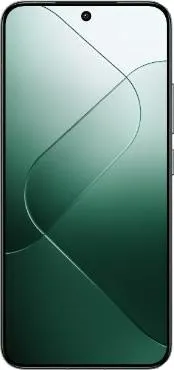
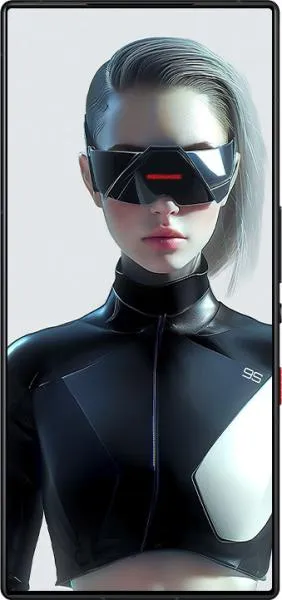
| Dimensions | Design | 152.8 x 71.5 x 8.2 mm | 164 x 76.4 x 8.9 mm | Red Magic 9S Pro is significantly larger and thicker. Xiaomi 14 is more pocketable. |
| Weight | Design | 188g | 229g | Red Magic 9S Pro is noticeably heavier. Xiaomi 14 offers a more comfortable hand feel. |
| Display | ||||
| Display Type | Display | LTPO OLED | AMOLED | Xiaomi 14's LTPO allows for dynamic refresh rate adjustment, saving battery. |
| Display Size | Display | 6.36" | 6.8" | Red Magic 9S Pro offers a larger screen for media consumption, but less one-hand usability. |
| Resolution | Display | 1200 x 2670 | 1116 x 2480 | Xiaomi 14 has a sharper display (higher pixel density). |
| Refresh Rate | Display | 120Hz | 120Hz | Both offer smooth scrolling and animations. |
| Peak Brightness | Display | 3000 nits | 1600 nits | Xiaomi 14 is significantly brighter outdoors. |
| Performance | ||||
| Chipset | Performance | Snapdragon 8 Gen 3 | Snapdragon 8 Gen 3 | Both offer top-tier performance. |
| CPU | Performance | 1x3.3 GHz X4, 3x3.2 GHz A720... | 1x3.4 GHz X4, 3x3.2 GHz A720... | Red Magic has a slightly higher clock speed on the prime core, potentially negligible difference in real-world usage. |
| GPU | Performance | Adreno 750 | Adreno 750 (1 GHz) | Red Magic explicitly states GPU clock speed (1 GHz), suggesting potential performance advantage in graphics-intensive tasks. Xiaomi's clock speed not listed. |
| RAM | Performance | 12GB | 16GB | Red Magic 9S Pro offers more RAM for multitasking and demanding applications. |
| Battery | ||||
| Capacity | Battery | 4610 mAh | 6500 mAh | Red Magic 9S Pro has significantly longer battery life. |
| Camera | ||||
| Video Capabilities | Camera | 8K@24fps, 4K@60fps,... | 8K@30fps, 4K@60fps,... | Xiaomi 14 offers more frame rate options for video recording, notably 8K@24fps and 960fps slow-motion. Red Magic lacks detailed video specs (HDR, EIS). |
| Other | ||||
| Storage Options | Other | 512GB/12GB, 256GB/12GB | 512GB/16GB | Red Magic 9S Pro offers a larger RAM option (16GB). |
2. Key Differences Analysis
Xiaomi 14 Advantages:
- Sharper, brighter display: Higher resolution and peak brightness lead to a superior visual experience, especially outdoors.
- More compact and lighter: Easier to handle and carry in a pocket.
- More comprehensive video recording options: Offers higher frame rates and resolutions for video recording flexibility.
- Potentially more power efficient: LTPO display technology allows for dynamic refresh rate adjustment.
ZTE nubia Red Magic 9S Pro Advantages:
- Significantly larger battery: Much longer battery life.
- More RAM: Better for heavy multitasking and demanding games.
- Potentially higher GPU performance: Explicitly stated 1GHz GPU clock speed might offer an advantage in gaming.
Trade-offs:
- Xiaomi 14 sacrifices battery life for a smaller, lighter design and a brighter, sharper display.
- Red Magic 9S Pro prioritizes performance (RAM, GPU) and battery life over portability and display sharpness.
3. User Profiles & Recommendations
Xiaomi 14: Users who prioritize a premium display, compact design, and excellent camera features, and are willing to compromise on battery life. Suitable for everyday use, media consumption, and content creation.
ZTE nubia Red Magic 9S Pro: Users who prioritize performance, long battery life, and a large screen for gaming and media consumption. Suitable for mobile gamers, power users, and those who need extended battery life.
4. Decision Framework
Key Questions:
- How important is battery life? If battery life is paramount, the Red Magic 9S Pro is the clear winner.
- Do you prioritize portability and a premium display? The Xiaomi 14 excels in these areas.
- What is your primary use case? Gaming and heavy multitasking favor the Red Magic 9S Pro, while everyday use, media consumption, and content creation lean towards the Xiaomi 14.
My Choice: Xiaomi 14
While the Red Magic 9S Pro boasts impressive battery life and RAM, the Xiaomi 14's combination of a sharper, brighter LTPO display, more compact design, and superior video recording capabilities aligns better with my personal priorities. I value a comfortable in-hand feel and a great visual experience, and I'm willing to compromise slightly on battery life to achieve that. The Xiaomi 14's more versatile video recording features are also a significant factor for me. The Red Magic's larger size and weight would be a detriment for my daily usage. While the slight potential performance advantage of the Red Magic is appealing, it's likely not noticeable in real-world usage outside of specific benchmarking scenarios, and doesn't outweigh the benefits of the Xiaomi 14 for my personal needs.
