1. Specifications Comparison
| Feature | Xiaomi 14 | ZTE nubia Flip | Practical Impact |
|---|---|---|---|
| Design | |||
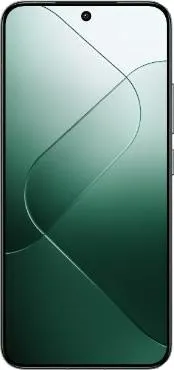
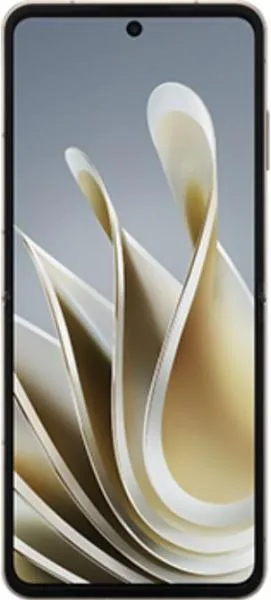
| Dimensions | 152.8 x 71.5 x 8.2 mm | 170 x 75.5 x 7 mm | The Xiaomi 14 is noticeably smaller and slightly thicker than the ZTE nubia Flip. The Flip's larger size is due to its foldable design. Xiaomi 14 will be easier for one-handed use and pocketability. |
| Weight | 188g | 214g | The Xiaomi 14 is lighter, making it more comfortable for extended use. |
| Foldable | No | Yes | The ZTE nubia Flip offers a larger screen in a more compact folded size, ideal for portability but introduces a potential point of failure with the hinge. |
| Display | |||
| Size | 6.36" | 6.9" | The ZTE nubia Flip offers a significantly larger screen area due to its foldable design, beneficial for media consumption and multitasking. |
| Type | LTPO OLED | Foldable OLED | LTPO offers better power efficiency with dynamic refresh rate adjustment. The foldable nature of the Flip's screen is its defining feature, but durability concerns exist. |
| Resolution | 1200 x 2670 | 1188 x 2790 | Both offer sharp displays, but the Xiaomi 14 has a slightly higher pixel density (460 ppi vs 439 ppi), resulting in marginally crisper images. |
| Refresh Rate | 120Hz | 120Hz | Both offer smooth scrolling and animations. |
| Peak Brightness | 3000 nits | Not specified | The Xiaomi 14's exceptionally high peak brightness ensures excellent outdoor visibility. The lack of data for the Flip makes a direct comparison impossible. |
| Color Depth | 68B | 1B | Xiaomi 14's 68 billion colors offer significantly more nuanced and accurate color reproduction than the Flip's 1 billion colors, particularly noticeable in HDR content. |
| Performance | |||
| Chipset | Snapdragon 8 Gen 3 | Snapdragon 7 Gen 1 | The Xiaomi 14 boasts a significantly more powerful flagship chipset, translating to smoother performance in demanding tasks, gaming, and multitasking. |
| CPU | Octa-core (1x3.3 GHz X4 & 3x3.2 GHz A720 &...) | Octa-core (1x2.4 GHz A710 & 3x2.36 GHz A710 &...) | Xiaomi 14's CPU has faster clock speeds and a more powerful core architecture, leading to notably improved performance. |
| GPU | Adreno 750 | Adreno 644 | The Adreno 750 in the Xiaomi 14 offers a substantial performance advantage for gaming and graphically intensive applications. |
| RAM/Storage | 12GB/256GB, 12GB/512GB | 8GB/256GB | The Xiaomi 14 offers more RAM, improving multitasking and app loading times. It also offers a 512GB storage option. |
| Battery | |||
| Capacity | 4610 mAh | 4310 mAh | The Xiaomi 14 has a slightly larger battery. Real-world battery life will depend on usage and the Flip's larger screen might drain faster. |
| Other | |||
| OS | Android 14 | Android 13 | The Xiaomi 14 ships with a newer Android version, potentially offering longer software support and newer features. |
| Sensors | Accelerometer, Gyro, Proximity, Compass, Barometer, Fingerprint (under display), Color Spectrum | Accelerometer, Gyro, Proximity, Compass, Fingerprint (side-mounted) | Xiaomi 14 has a more comprehensive sensor suite including a barometer and color spectrum sensor. Practical differences for average users are minimal. |
| Video Capabilities | 8K@24fps, up to 720p@1920fps | Not Specified | The Xiaomi 14 has extensive video recording capabilities, supporting up to 8K resolution and high frame rates. The lack of information for the Flip hinders comparison. |
2. Key Differences Analysis
Xiaomi 14 Advantages:
- Significantly more powerful: The Snapdragon 8 Gen 3 provides a considerable performance advantage.
- Brighter Display: Offers superior outdoor visibility.
- More RAM and Storage Options: Enables smoother multitasking and more storage space.
- Newer Android Version: Potentially longer software updates and features.
- Superior Color Accuracy: The 68B color display offers a more visually appealing experience.
ZTE nubia Flip Advantages:
- Foldable Design: Offers a large screen in a compact, pocketable form factor.
- Larger Display: Provides more immersive media consumption and multitasking.
Trade-offs:
- Xiaomi 14: Lacks the novelty and portability of a foldable design.
- ZTE nubia Flip: Less powerful processor, potentially shorter software support, unknown brightness and video capabilities, and durability concerns associated with foldable displays.
3. User Profiles & Recommendations
Xiaomi 14: Ideal for users prioritizing performance, a bright and color-accurate display, and the latest software. Excellent for demanding tasks like gaming, content creation, and heavy multitasking.
ZTE nubia Flip: Best suited for users who value portability and a large screen above all else. The foldable design makes it compact when pocketed but provides ample screen real estate when unfolded. Suitable for media consumption, social media, and general use, but perhaps not for demanding tasks.
4. Decision Framework
Key Questions:
- Performance vs. Portability: Do you prioritize raw processing power and a smooth experience, or a compact, foldable design with a large screen?
- Content Consumption vs. Creation: Will you primarily use your phone for watching videos and browsing, or for tasks like gaming, photo/video editing, and productivity?
- Longevity and Updates: How important is long-term software support and the latest Android features?
Scenario-Based Recommendations:
- Gamer: Xiaomi 14 for its superior performance.
- Frequent Traveler: ZTE nubia Flip for its portability (assuming battery life is sufficient).
- Photographer/Videographer: Xiaomi 14 for its powerful processor, high-resolution display, and advanced video recording capabilities.
My Choice: Xiaomi 14
While the ZTE nubia Flip's foldable design is intriguing, the Xiaomi 14's superior performance, brighter display with exceptional color accuracy, and the latest Android version make it the more compelling choice for me. I prioritize a smooth and responsive user experience, especially for demanding tasks and gaming. The significantly faster processor, more RAM, and newer software of the Xiaomi 14 ensure long-term usability and better performance. The lack of key specifications for the ZTE nubia Flip, particularly regarding display brightness and video capabilities, further solidifies my preference for the Xiaomi 14. While I appreciate the portability of a foldable phone, the potential trade-offs in performance and longevity are not worth it for my usage patterns.
