1. Specifications Comparison
| Feature | Xiaomi 14 | ZTE Blade V60 Design | Practical Impact |
|---|---|---|---|
| Design | |||
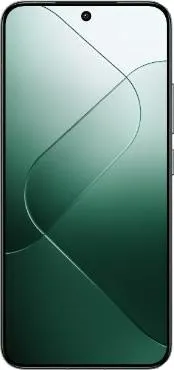
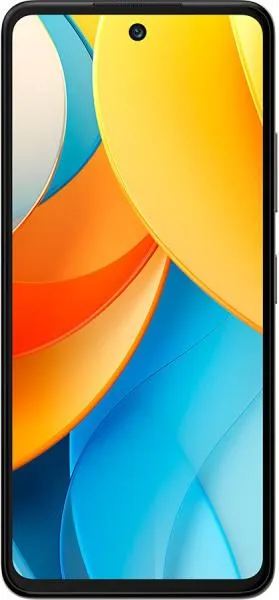
| Dimensions | 152.8 x 71.5 x 8.2 mm | 164.2 x 75.3 x 8.6 mm | Xiaomi 14 is noticeably smaller and thinner, making it more pocketable and comfortable for one-handed use. |
| Weight | 188g | 198g | The weight difference is minor, but the Xiaomi 14 will feel slightly lighter. |
| Build Materials | Not specified | Not specified | Cannot compare build quality and durability without material information. |
| Display | |||
| Display Type | LTPO OLED | IPS LCD | Xiaomi 14's OLED offers deeper blacks, more vibrant colors, and better power efficiency. |
| Display Size | 6.36" | 6.6" | ZTE offers a slightly larger screen, potentially better for media consumption, but less pocketable. |
| Resolution | 1200 x 2670 | 720 x 1612 | Xiaomi 14 has a significantly sharper display (460 ppi vs 267 ppi), resulting in crisper text and images. |
| Refresh Rate | 120Hz | 90Hz | Xiaomi 14's higher refresh rate provides smoother scrolling and animations. |
| Peak Brightness | 3000 nits | Not specified | Xiaomi 14's exceptionally high peak brightness ensures excellent outdoor visibility, even in direct sunlight. The lack of data for the ZTE phone prevents a direct comparison here. |
| Performance | |||
| Chipset | Snapdragon 8 Gen 3 (4nm) | Unisoc T606 (12nm) | Xiaomi 14 boasts a significantly more powerful and efficient processor, resulting in much faster performance, better multitasking, and improved gaming capabilities. |
| CPU | Octa-core (1x3.3 GHz Cortex-X4 & ...) | Octa-core (2x1.6 GHz Cortex-A75 & ...) | The Xiaomi 14's CPU architecture and clock speeds offer a substantial performance advantage over the ZTE Blade. |
| GPU | Adreno 750 | Mali-G57 MP1 | Xiaomi 14's GPU is considerably more powerful, enabling demanding gaming and smoother graphics performance. |
| RAM | 12GB | 6GB | Xiaomi 14's larger RAM allows for more apps to run in the background and better multitasking performance. |
| Storage | 256/512GB | 256GB | Both offer ample storage, but Xiaomi 14 also provides a 512GB option for users needing more space. |
| Camera | |||
| Video Capabilities | 8K@24fps, 4K@60fps, up to 720p@1920fps (HDR, EIS) | 1080p@30fps | Xiaomi 14 offers significantly higher video resolution, frame rates, and features like HDR and EIS for superior video recording. |
| Specific Sensor Details | Not specified for either phone | Not specified for either phone | Image quality comparison is impossible without detailed sensor specifications (e.g., sensor size, aperture). |
| Battery | |||
| Capacity | 4610 mAh | 5000 mAh | ZTE has a slightly larger battery capacity. However, Xiaomi 14's more efficient processor and OLED display could potentially result in comparable or even better battery life. |
2. Key Differences Analysis
Xiaomi 14 Advantages:
- Significantly superior performance: The Snapdragon 8 Gen 3 and higher RAM provide a vastly improved user experience in all tasks, especially demanding applications and games.
- Much better display: The higher resolution, refresh rate, OLED technology, and peak brightness of the Xiaomi 14 deliver a far superior visual experience.
- More advanced camera features: Higher resolution and frame rate video recording capabilities.
ZTE Blade V60 Design Advantages:
- Larger battery: Potentially longer battery life, although this depends heavily on real-world usage patterns.
- Lower price: Likely significantly more affordable.
Trade-offs:
- Performance vs. Price: The Xiaomi 14 offers flagship-level performance at a medium price, while the ZTE Blade V60 Design compromises performance for affordability.
3. User Profiles & Recommendations
Xiaomi 14: Users who prioritize performance, a premium display, and advanced features, and are willing to pay a mid-range price. Ideal for demanding tasks like gaming, video editing, and multitasking.
ZTE Blade V60 Design: Users on a tight budget who prioritize basic functionality and long battery life. Suitable for everyday tasks like browsing, social media, and communication. Not recommended for demanding applications or gaming.
4. Decision Framework
Key Questions:
- What is your budget? The ZTE is a budget phone, while the Xiaomi 14 is a mid-range device.
- What are your primary smartphone uses? For demanding tasks, the Xiaomi 14 is essential. For basic use, the ZTE might suffice.
- How important is display quality and overall performance? The Xiaomi 14 significantly outperforms the ZTE in these areas.
Scenario-based Recommendations:
- Heavy Gamer: Xiaomi 14 is the only viable option.
- Social Media User on a Budget: ZTE Blade V60 Design is a potential choice.
- Professional needing Multitasking: Xiaomi 14 is recommended.
My Choice: Xiaomi 14
While the ZTE Blade V60 Design offers a larger battery and lower price, the Xiaomi 14's significant advantages in performance, display quality, and overall user experience make it the clear winner for me. The Snapdragon 8 Gen 3, coupled with the high refresh rate OLED display, ensures a smooth and responsive experience that is crucial for my daily usage. I prioritize performance and a premium user experience, making the Xiaomi 14 the better investment despite the higher price.
