1. Specifications Comparison
| Feature | Xiaomi 14 | ZTE Blade A75 4G | Practical Impact |
|---|---|---|---|
| Design | |||
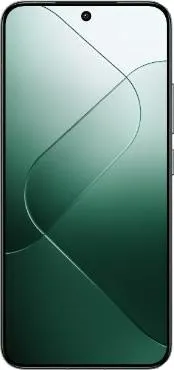
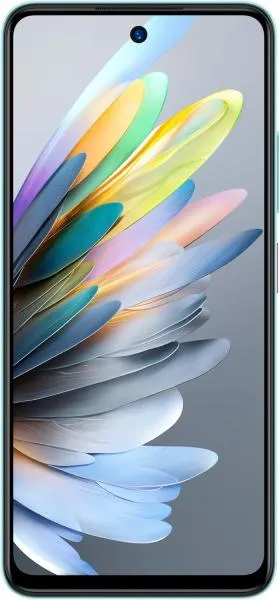
| Dimensions | 152.8 x 71.5 x 8.2 mm | 164.1 x 75.8 x 8.6 mm | Xiaomi 14 is noticeably smaller and thinner, making it more pocketable and comfortable for one-handed use. |
| Weight | 188g | 189g | Negligible weight difference. |
| Build Materials | Not specified | Not specified | Cannot compare build quality and durability without more information. |
| Display | |||
| Display Type | LTPO OLED | IPS LCD | Xiaomi 14's OLED offers significantly better contrast, deeper blacks, and wider viewing angles, resulting in a superior visual experience. LTPO allows for dynamic refresh rate adjustment, saving battery. |
| Size | 6.36" | 6.6" | ZTE offers a slightly larger screen for media consumption, but the Xiaomi 14's superior display quality is likely more impactful. |
| Resolution | 1200 x 2670 | 720 x 1612 | Xiaomi 14 has a much sharper display (460 ppi vs 267 ppi), resulting in crisper text and images. |
| Refresh Rate | 120Hz | 90Hz | Xiaomi 14 offers smoother scrolling and animations, leading to a more fluid user experience. |
| Peak Brightness | 3000 nits | Not specified | Xiaomi 14's exceptionally high peak brightness ensures excellent outdoor visibility. The lack of data for the ZTE phone prevents a direct comparison. |
| Performance | |||
| Chipset | Snapdragon 8 Gen 3 (4nm) | Unisoc T606 (12nm) | Xiaomi 14 boasts a significantly more powerful processor, resulting in much faster performance in demanding tasks, gaming, and multitasking. The more efficient 4nm process also contributes to better battery life. |
| CPU | Octa-core (1x3.3 GHz Cortex-X4 & 3x3.2 GHz Cortex-A720 & 2x3.0 GHz Cortex-A720 & 2x2.3 GHz Cortex-A520) | Octa-core (2x1.6 GHz Cortex-A75 & 6x1.6 GHz Cortex-A55) | Xiaomi 14's CPU architecture is considerably more powerful and modern. |
| GPU | Adreno 750 | Mali-G57 MP1 | Xiaomi 14's GPU offers dramatically better graphics performance, crucial for gaming and graphically intensive applications. |
| RAM | 12GB | 4GB | Xiaomi 14's larger RAM allows for seamless multitasking and smoother performance with multiple apps open. |
| Storage | 256/512GB | 256GB | Similar storage options, but the Xiaomi 14 likely uses faster storage technology (UFS) although not specified. |
| Battery | |||
| Capacity | 4610 mAh | 5000 mAh | While ZTE has a larger battery capacity, Xiaomi 14's more efficient processor and LTPO display could result in comparable or even better battery life. |
| Other | |||
| OS | Android 14 | Android 13 | Xiaomi 14 ships with the latest Android version, offering potential new features and longer software support. |
| Price Range | Medium | Low | Significant price difference, reflecting the substantial performance and feature gap. |
2. Key Differences Analysis
Xiaomi 14 Advantages:
- Significantly more powerful: Superior processor, GPU, and RAM translate to a vastly smoother and faster user experience in all tasks.
- Superior display: OLED technology, higher resolution, refresh rate, and peak brightness result in a dramatically better visual experience.
- More compact design: Easier to handle and carry.
ZTE Blade A75 4G Advantages:
- Larger battery capacity: Potentially longer battery life, but dependent on real-world usage.
- Lower price: More budget-friendly.
Trade-offs:
- Xiaomi 14: Higher price for significantly better performance and features.
- ZTE Blade A75 4G: Lower performance and features for a lower price.
3. User Profiles & Recommendations
Xiaomi 14: Users who prioritize performance, a premium display, and a smooth user experience. Ideal for demanding tasks like gaming, content creation, and multitasking.
ZTE Blade A75 4G: Budget-conscious users who primarily use their phone for basic tasks like calling, texting, browsing, and social media. Not recommended for demanding applications or heavy users.
4. Decision Framework
Key Questions:
- What is your budget? The Xiaomi 14 is significantly more expensive.
- What do you primarily use your phone for? The ZTE is sufficient for basic tasks; the Xiaomi 14 excels in demanding applications.
- How important is display quality and overall performance? Xiaomi 14 offers a substantial upgrade in these areas.
Scenario-Based Recommendations:
- Heavy user, gamer, content creator: Xiaomi 14.
- Budget-conscious user with basic needs: ZTE Blade A75 4G.
- User seeking the best value: Xiaomi 14 offers more value per dollar in the long run due to its superior performance and longevity. However, the ZTE might be sufficient for extremely budget-constrained users.
My Choice: Xiaomi 14
While significantly more expensive, the Xiaomi 14 offers a vastly superior user experience in almost every aspect. The performance difference between the Snapdragon 8 Gen 3 and the Unisoc T606 is substantial, impacting daily usability. The OLED display is a major upgrade over the ZTE's LCD. The smaller, more premium design is also appealing. For long-term satisfaction and a smoother, more enjoyable user experience, the Xiaomi 14 is the clear winner. While the ZTE has a larger battery, the Xiaomi 14's efficiency gains likely offset this advantage. The price difference is justified by the substantial leap in quality and performance.
