1. Specifications Comparison
| Feature | Xiaomi 14 | Xiaomi Redmi Note 13 Pro 4G | Practical Impact |
|---|---|---|---|
| Design | |||
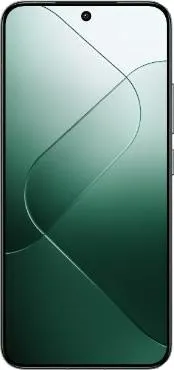
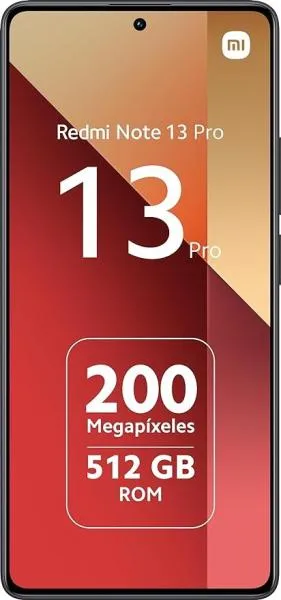
| Dimensions | 152.8 x 71.5 x 8.2 mm | 161.1 x 75 x 8 mm | Xiaomi 14 is noticeably smaller and potentially easier to handle one-handed. |
| Weight | 188g | 188g | Identical weight, despite size difference. |
| Build Materials | Not specified | Not specified | Cannot compare build quality and feel. |
| Display | |||
| Display Type | LTPO OLED | AMOLED | Xiaomi 14's LTPO OLED likely offers better power efficiency and smoother variable refresh rate. |
| Size | 6.36" | 6.67" | Redmi Note 13 Pro offers a larger screen for media consumption. |
| Resolution | 1200 x 2670 | 1080 x 2400 | Xiaomi 14 boasts significantly sharper visuals due to higher resolution and pixel density (460 ppi vs 395 ppi). |
| Refresh Rate | 120Hz | 120Hz | Both offer smooth scrolling and animations. |
| Peak Brightness | 3000 nits | 1300 nits | Xiaomi 14 will be significantly more visible in direct sunlight. |
| Performance | |||
| Chipset | Snapdragon 8 Gen 3 (4nm) | Mediatek Helio G99 Ultra | Xiaomi 14 will deliver substantially better performance in demanding tasks and gaming due to a flagship-level processor. |
| CPU | Octa-core (1x3.3 GHz Cortex-X4 & 3x3.2 GHz Cortex-A720 & 2x3.0 GHz Cortex-A720 & 2x2.3 GHz Cortex-A520) | Octa-core (2x2.2 GHz Cortex-A76 & 6x2.0 GHz Cortex-A55) | Xiaomi 14's CPU architecture is more powerful and efficient. |
| GPU | Adreno 750 | Mali-G57 MC2 | Xiaomi 14 provides a significantly more powerful GPU for gaming and graphics-intensive applications. |
| RAM | 12GB | 8GB/12GB | Xiaomi 14 offers 12GB in both storage options, enabling smoother multitasking. |
| Storage | 256GB/512GB | 256GB/512GB | Comparable storage options. |
| Camera | |||
| Rear Camera | Not specified | Not specified | Camera quality cannot be compared due to missing specifications. |
| Video Capabilities | Up to 8K@24fps, 720p@1920fps | Up to 1080p@60fps | Xiaomi 14 offers significantly superior video recording capabilities including higher resolution (8K) and frame rates (slow-motion). |
| Battery | |||
| Capacity | 4610 mAh | 5000 mAh | Redmi Note 13 Pro has a larger battery capacity, potentially leading to longer battery life. However, real-world battery life depends on many factors, including display and processor efficiency. |
| Charging Speed | Not specified | Not specified | Charging speeds cannot be compared. |
2. Key Differences Analysis
Xiaomi 14 Advantages:
- Significantly more powerful: Snapdragon 8 Gen 3 offers flagship-level performance compared to the mid-range Helio G99. This translates to smoother gaming, faster app loading, and better multitasking.
- Sharper and brighter display: Higher resolution, pixel density, and peak brightness result in a superior visual experience.
- More compact design: Smaller dimensions make it more pocketable and easier to use one-handed.
- Superior video recording: Offers 8K recording and higher frame rates for slow-motion capture.
Redmi Note 13 Pro 4G Advantages:
- Larger battery: Potentially longer battery life, though real-world usage will vary.
- Larger display: Better for media consumption and those who prefer larger screens.
3. User Profiles & Recommendations
Xiaomi 14: Ideal for users who prioritize performance, a premium display, and compact design. Suitable for demanding tasks, gaming, and content creation.
Redmi Note 13 Pro 4G: Suitable for users who prioritize battery life and a large display for media consumption. A good option for budget-conscious users with moderate performance needs.
4. Decision Framework
Key Questions for Buyers:
- What is your budget? The Xiaomi 14 will likely be more expensive.
- What are your performance needs? Gamers and power users will benefit from the Xiaomi 14's superior hardware.
- What screen size do you prefer? Consider whether you prioritize a larger screen for media or a smaller screen for one-handed use.
Scenario-Based Recommendations:
- Heavy gamer: Xiaomi 14.
- Budget-conscious user with basic needs: Redmi Note 13 Pro 4G.
- User who prioritizes a bright, sharp display: Xiaomi 14.
- User who watches a lot of videos: Redmi Note 13 Pro 4G (larger display).
My Choice: Xiaomi 14
While the Redmi Note 13 Pro 4G might offer longer battery life and a larger display, the Xiaomi 14's significantly superior performance, stunning display, and compact form factor make it the clear winner for me. The Snapdragon 8 Gen 3 is a game-changer for demanding tasks and future-proofs the device. The brighter, sharper display enhances everyday usage, and I prefer a more compact phone. The difference in video recording capabilities is also significant. While battery life is important, I'm willing to sacrifice a bit of potential battery life for the substantial performance gains and overall premium experience offered by the Xiaomi 14.
