1. Specifications Comparison
| Feature | Xiaomi 14 | Xiaomi Redmi Note 13 | Practical Impact |
|---|---|---|---|
| Design | |||
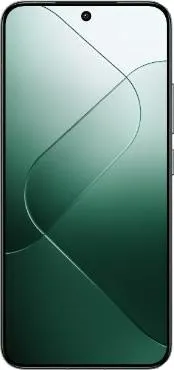
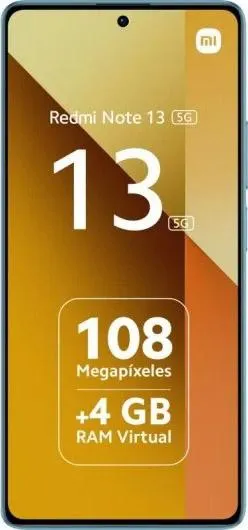
| Dimensions (mm) | 152.8 x 71.5 x 8.2 | 161.1 x 75 x 7.6 | Xiaomi 14 is noticeably smaller and slightly thinner, making it more pocketable and easier to handle one-handed. Redmi Note 13 is larger and may be less comfortable for users with smaller hands. |
| Weight (g) | 188 | 174.5 | While the Xiaomi 14 is slightly heavier, the difference is minimal and unlikely to be noticeable in daily use. |
| Build Materials | Not specified | Not specified | Build quality and durability cannot be compared without further information. |
| Display | |||
| Display Type | LTPO OLED | AMOLED | Xiaomi 14's LTPO OLED offers potentially better power efficiency due to variable refresh rate and superior visual quality with deeper blacks and wider color gamut (68B vs 1B). |
| Size (inches) | 6.36 | 6.67 | Redmi Note 13 offers a larger screen for more immersive media consumption and multitasking, but may be less comfortable for one-handed use. |
| Resolution | 1200 x 2670 | 1080 x 2400 | Xiaomi 14 has a significantly sharper display with higher pixel density (460 ppi vs 395 ppi), resulting in crisper text and images. |
| Peak Brightness (nits) | 3000 | 1000 | Xiaomi 14's much higher peak brightness ensures excellent outdoor visibility even in direct sunlight. Redmi Note 13's lower brightness may struggle in bright conditions. |
| Refresh Rate (Hz) | 120 | 120 | Both phones offer smooth scrolling and animations thanks to the 120Hz refresh rate. |
| Performance | |||
| Chipset | Snapdragon 8 Gen 3 (4nm) | Mediatek Dimensity 6080 (6nm) | Xiaomi 14's Snapdragon 8 Gen 3 is a flagship processor, significantly more powerful than the mid-range Dimensity 6080 in the Redmi Note 13. This translates to much faster performance in demanding tasks like gaming and multitasking. |
| CPU | Octa-core (1x3.3 GHz Cortex-X4 &...) | Octa-core (2x2.4 GHz Cortex-A76 &...) | The superior core configuration and higher clock speeds of the Xiaomi 14's CPU result in noticeably faster and smoother performance. |
| GPU | Adreno 750 | Mali-G57 MC2 | Xiaomi 14's Adreno 750 GPU provides significantly better graphics performance for demanding games and applications compared to the Redmi Note 13. |
| RAM | 12GB | 8GB/12GB | While both offer 12GB RAM options, the base Redmi Note 13 only has 8GB which may limit multitasking performance. |
| Battery | |||
| Capacity (mAh) | 4610 | 5000 | Redmi Note 13 has a slightly larger battery capacity, potentially offering longer battery life. However, real-world battery life depends on various factors including software optimization and display usage. |
| Camera | |||
| Video Capabilities | 8K@24fps, 4K@60fps,... up to 720p@1920fps | 1080p@30fps | Xiaomi 14 offers vastly superior video recording capabilities, including much higher resolutions (up to 8K) and frame rates (up to 1920fps slow-motion). Redmi Note 13's video recording is limited to basic 1080p@30fps. |
| Other Camera Specs | Not specified | Not specified | Detailed camera comparison is impossible without further specifications like sensor size, aperture, and features. |
2. Key Differences Analysis
Xiaomi 14 Advantages:
- Significantly more powerful: The Snapdragon 8 Gen 3 offers a substantial performance advantage for demanding tasks and gaming.
- Sharper and brighter display: Higher resolution, peak brightness, and LTPO technology provide a superior visual experience.
- More compact design: Smaller dimensions make it easier to handle.
- Superior video recording: Offers much higher resolution and frame rate options.
Xiaomi Redmi Note 13 Advantages:
- Larger battery: Potentially longer battery life.
- Lower price: Positioned in the "low price" range, offering better affordability.
- Larger display: More immersive for media consumption.
3. User Profiles & Recommendations
Xiaomi 14: Ideal for users who prioritize performance, a premium display, and advanced features like high-quality video recording. Suitable for demanding tasks like gaming, content creation, and multitasking.
Xiaomi Redmi Note 13: Best suited for budget-conscious users who prioritize battery life and a large screen for media consumption. Suitable for everyday tasks like browsing, social media, and casual gaming.
4. Decision Framework
Key Questions for Buyers:
- What is your budget? The Redmi Note 13 offers better value for money in the budget segment.
- What are your primary use cases? Gamers and power users will appreciate the Xiaomi 14's performance. Casual users may find the Redmi Note 13 sufficient.
- Do you prioritize display quality and size? The Xiaomi 14 offers a sharper and brighter display, while the Redmi Note 13 has a larger screen.
My Choice: Xiaomi 14
While the Redmi Note 13 offers excellent value for its price, I would choose the Xiaomi 14. The significant performance difference, superior display quality, and more compact form factor are compelling advantages for me. I prioritize a smooth and responsive user experience, and the Snapdragon 8 Gen 3, coupled with the high refresh rate LTPO OLED display, promises exactly that. The premium build and advanced camera features further solidify my choice. While the Redmi Note 13's larger battery is tempting, I'm willing to compromise slightly on battery life for the overall superior user experience offered by the Xiaomi 14. The price difference is justifiable considering the substantial upgrade in performance and features.
