
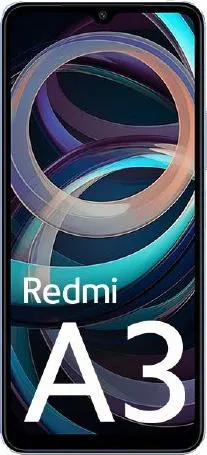
1. Specifications Comparison
| Feature | Xiaomi 14 | Xiaomi Redmi A3 | Practical Impact |
|---|---|---|---|
| Design | |||
| Dimensions (mm) | 152.8 x 71.5 x 8.2 | 168.3 x 76.3 x 8.3 | The Redmi A3 is noticeably larger and slightly thicker. The Xiaomi 14 will be more pocketable and easier to handle with one hand. |
| Weight (g) | 188 | 193 | While the weight difference is minimal, combined with the dimensions, the Xiaomi 14 will feel lighter and more comfortable for extended use. |
| Build Materials | Not specified | Not specified | Cannot compare build quality and durability without more information. |
| Display | |||
| Display Type | LTPO OLED | IPS LCD | The Xiaomi 14's OLED offers significantly better contrast, deeper blacks, and more vibrant colors. The LTPO technology allows for dynamic refresh rate adjustment, saving battery. |
| Size (inches) | 6.36" | 6.71" | The Redmi A3 has a larger screen, better for media consumption, but less one-hand friendly. |
| Resolution | 1200 x 2670 | 720 x 1650 | The Xiaomi 14 has a much sharper display with significantly higher pixel density (460 ppi vs 268 ppi), resulting in clearer text and images. |
| Refresh Rate (Hz) | 120 | 90 | The Xiaomi 14's 120Hz refresh rate provides a smoother and more responsive user experience, especially noticeable in scrolling and gaming. |
| Peak Brightness (nits) | 3000 | 500 (HBM) | The Xiaomi 14 gets dramatically brighter, ensuring excellent outdoor visibility even in direct sunlight. The Redmi A3's lower brightness may hinder readability outdoors. |
| Performance | |||
| Chipset | Snapdragon 8 Gen 3 (4nm) | MediaTek Helio G36 (12nm) | The Snapdragon 8 Gen 3 is a flagship processor offering significantly faster performance, better graphics rendering, and improved power efficiency compared to the budget-oriented Helio G36. |
| CPU | Octa-core (up to 3.3 GHz) | Octa-core (up to 2.2 GHz) | The Xiaomi 14's CPU offers significantly higher clock speeds, translating to much faster app loading, multitasking, and overall responsiveness. |
| GPU | Adreno 750 | PowerVR GE8320 | The Adreno 750 is a much more powerful GPU, capable of handling demanding games and graphics-intensive tasks with ease. The Redmi A3 will struggle with more demanding applications. |
| RAM | 12GB | 4GB/6GB | The Xiaomi 14's larger RAM allows for smoother multitasking and keeps more apps open in the background without performance slowdowns. |
| Storage | 256GB/512GB | 128GB | The Xiaomi 14 offers more storage options for users with large media libraries or who install many apps. |
| Battery | |||
| Capacity (mAh) | 4610 | 5000 | While the Redmi A3 has a slightly larger battery, the Xiaomi 14's more efficient processor and display likely result in comparable or even better battery life. |
| Other | |||
| OS | Android 14 | Android 14 | Both phones run on the latest Android version, offering similar software features out of the box. However, the Xiaomi 14 is likely to receive longer software updates. |
| NFC | Yes | Yes | Both phones support contactless payments and data transfer. |
2. Key Differences Analysis
Xiaomi 14 Advantages:
- Significantly higher performance: The Snapdragon 8 Gen 3 provides a vastly superior experience in speed, gaming, and multitasking.
- Superior display: The OLED display with higher resolution, refresh rate, and brightness offers a drastically better visual experience.
- More premium design: Smaller and lighter form factor, likely with better build materials (although not specified).
Xiaomi Redmi A3 Advantages:
- Larger battery: Potentially longer battery life, although this depends on usage patterns and the efficiency of the Xiaomi 14's components.
- Lower price: The Redmi A3 is explicitly a budget phone and will be significantly more affordable.
- Larger Screen: Better for media consumption.
Trade-offs:
- Xiaomi 14: Higher price for premium features.
- Redmi A3: Compromised performance, display quality, and potentially build quality for a lower price.
3. User Profiles & Recommendations
Xiaomi 14: Users who prioritize performance, a premium display, smooth user experience, and gaming. Suitable for power users, content creators, and mobile gamers.
Xiaomi Redmi A3: Budget-conscious users who prioritize basic functionality, long battery life, and a large screen for media consumption. Suitable for casual users, students, and those primarily using their phones for calling, texting, and browsing.
4. Decision Framework
Key Questions:
- What is your budget? The Redmi A3 is significantly cheaper.
- What are your primary use cases? Gaming, demanding apps, and media creation favor the Xiaomi 14. Basic communication and casual use favor the Redmi A3.
- How important is display quality and performance? The Xiaomi 14 offers a vastly superior experience in these areas.
My Choice: Xiaomi 14
While the Xiaomi Redmi A3 offers a larger battery and lower price, the Xiaomi 14's significantly superior performance, stunning display, and more manageable form factor make it the clear winner for me. I value a smooth and responsive user experience, and the Snapdragon 8 Gen 3 combined with the 120Hz OLED display will deliver that in spades. The Redmi A3's compromises in performance and display quality would be too significant for my daily use. While price is a factor, the long-term value and superior experience offered by the Xiaomi 14 justifies the higher cost for my needs.
