1. Specifications Comparison
| Feature | Xiaomi 14 | Xiaomi 14T Pro | Practical Impact |
|---|---|---|---|
| Design | |||
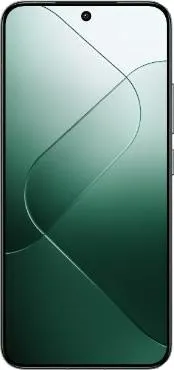
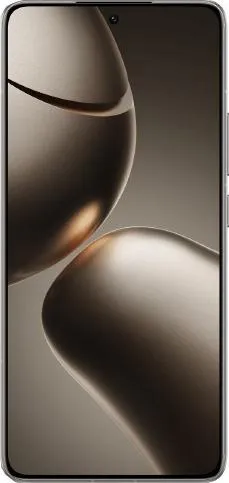
| Dimensions | 152.8 x 71.5 x 8.2 mm | 160.4 x 75.1 x 8.4 mm | The 14T Pro is noticeably larger and slightly thicker. May be less comfortable for one-handed use. |
| Weight | 188g | 209g | The 14 is significantly lighter, reducing hand fatigue during extended use. |
| Display | |||
| Size | 6.36" | 6.67" | Larger display on the 14T Pro offers more immersive content consumption but increases device size. |
| Type | LTPO OLED | AMOLED | Both offer excellent color and contrast. LTPO on the 14 allows for dynamic refresh rate adjustment, potentially saving battery. |
| Refresh Rate | 120Hz | 144Hz | Smoother animations and scrolling on the 14T Pro, especially noticeable in gaming. |
| Peak Brightness | 3000 nits | 4000 nits | 14T Pro offers superior outdoor visibility in bright sunlight. |
| Resolution | 1200 x 2670 | 1220 x 2712 | Negligible real-world difference in sharpness due to similar pixel density. |
| Performance | |||
| Chipset | Snapdragon 8 Gen 3 | Mediatek Dimensity 9300+ | Both are high-end chipsets promising excellent performance. Benchmark comparisons would be needed for definitive conclusions. |
| CPU | Octa-core (1x3.3 GHz Cortex-X4 & 3x3.2 GHz Cortex-A720 & 2x3.0 GHz Cortex-A720 & 2x2.3 GHz Cortex-A520) | Octa-core (1x3.4 GHz Cortex-X4 & 3x2.85 GHz Cortex-X4 & 4x2.0 GHz Cortex-A720) | Different core configurations; real-world performance differences depend on optimization and specific tasks. |
| GPU | Adreno 750 | Immortalis-G720 MC12 | Both are powerful GPUs; gaming performance differences would require benchmarks and game-specific testing. |
| RAM | 12GB | 12GB | Both offer ample RAM for multitasking and demanding applications. |
| Storage | 256/512GB | 512GB | 14 offers more storage configuration flexibility; 14T Pro only comes with 512GB. |
| Battery | |||
| Capacity | 4610 mAh | 5000 mAh | Larger battery in the 14T Pro suggests longer battery life. Real-world usage will vary. |
| Other | |||
| USB | USB Type-C 3.2 | USB Type-C 2.0 | Faster data transfer speeds on the Xiaomi 14. |
| Sensors | Includes barometer and color spectrum sensor | Lacks barometer and color spectrum sensor | Barometer useful for altitude tracking; impact of missing color spectrum sensor unclear without further information. |
2. Key Differences Analysis
Xiaomi 14 Advantages:
- More Compact and Lighter: Easier to handle and carry.
- LTPO Display: Potentially better battery efficiency due to dynamic refresh rate.
- Faster Data Transfer: USB 3.2 offers significant speed improvements over USB 2.0.
- More Storage Options: Caters to different budget and storage needs.
Xiaomi 14T Pro Advantages:
- Larger, Brighter Display: More immersive media consumption and better outdoor visibility.
- Higher Refresh Rate: Smoother gaming and scrolling experience.
- Larger Battery: Potentially longer battery life.
3. User Profiles & Recommendations
Xiaomi 14: Users prioritizing one-handed usability, battery efficiency, and faster data transfer. Suitable for everyday tasks, moderate gaming, and content consumption.
Xiaomi 14T Pro: Users prioritizing large screen size, immersive media consumption, high refresh rate gaming, and longer battery life. Suitable for power users, gamers, and media enthusiasts.
4. Decision Framework
Key Questions:
- What screen size and form factor do you prefer? Larger screen for media consumption or compact size for one-handed use?
- How important is battery life versus overall portability?
- What is your budget and storage requirement?
Scenario-based Recommendations:
- Heavy gamer: Xiaomi 14T Pro for its higher refresh rate and larger battery.
- Frequent traveler: Xiaomi 14 for its compact size and potentially better battery efficiency.
- Budget-conscious user: Xiaomi 14 offers more storage options, potentially a lower price point for the 256GB version.
My Choice: Xiaomi 14
While the 14T Pro offers tempting features like a larger brighter display and bigger battery, I would choose the Xiaomi 14. The more compact and lighter design is a significant factor for me. I value one-handed usability and comfortable daily carry. The LTPO display's potential for better battery efficiency and the significantly faster USB 3.2 data transfer speeds are also compelling advantages. While the 144Hz display and larger battery of the 14T Pro are attractive, they don't outweigh the benefits of the Xiaomi 14 for my personal use case. I am willing to compromise on screen size and peak brightness for a more manageable and efficient device.
