
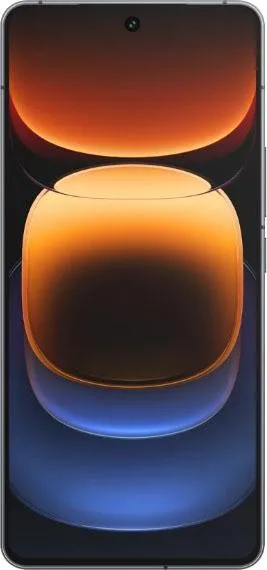
1. Specifications Comparison
| Feature | Xiaomi 14 | vivo iQOO 12 | Practical Impact |
|---|---|---|---|
| Design | |||
| Dimensions (HxWxD) | 152.8x71.5x8.2mm | 163.2x75.9x8.1mm | iQOO 12 is noticeably larger and may be less comfortable for one-handed use. Xiaomi 14 is more pocketable. |
| Weight | 188g | 198.5g | iQOO 12 is heavier, which might be noticeable during extended use. |
| Display | |||
| Size | 6.36" | 6.78" | iQOO 12 offers a larger display for more immersive content consumption. Xiaomi 14 is more compact. |
| Type | LTPO OLED | LTPO AMOLED | Both offer excellent contrast and power efficiency. Practical differences in daily use would be minimal. |
| Resolution | 1200x2670 | 1260x2800 | Both are sharp; iQOO 12 has a slightly higher pixel density due to its larger size. Real-world difference in sharpness is negligible. |
| Refresh Rate | 120Hz | 144Hz | iQOO 12's higher refresh rate results in smoother animations and scrolling, especially noticeable in gaming and fast-paced content. |
| Peak Brightness | 3000 nits | 3000 nits | Both offer excellent outdoor visibility. |
| Performance | |||
| Chipset | Snapdragon 8 Gen 3 | Snapdragon 8 Gen 3 | Identical chipsets offer similar performance. |
| CPU | Octa-core | Octa-core | Identical CPU configurations should result in comparable processing power. |
| GPU | Adreno 750 | Adreno 750 | Identical GPUs indicate similar graphics performance. |
| RAM | 12GB | 16GB | iQOO 12's larger RAM allows for more apps to be held in memory, leading to smoother multitasking and less frequent app reloading. |
| Storage | 256/512GB | 512GB/1TB | iQOO 12 offers a 1TB storage option for users needing extensive local storage. |
| Battery | |||
| Capacity | 4610 mAh | 5000 mAh | iQOO 12's larger battery likely translates to longer battery life. |
| Other | |||
| OS | Android 14 | Android 14 | Both run the latest Android version. iQOO 12's max OS version being 16 is a potential disadvantage regarding long-term software updates. |
| USB | USB Type-C 3.2 | USB Type-C 2.0 | Xiaomi 14's USB 3.2 offers significantly faster data transfer speeds. |
| Video Capabilities | Up to 960fps | Up to 240fps | Xiaomi 14 offers significantly higher frame rate slow-motion video recording. |
2. Key Differences Analysis
Xiaomi 14 Advantages:
- More Compact: Smaller and lighter, making it more comfortable for one-handed use and portability.
- Faster Data Transfer: USB 3.2 enables significantly quicker file transfers.
- Superior Slow-Motion Video: Offers much higher frame rate slow-motion video recording.
- Potentially Longer Software Support: Higher maximum OS version suggests potential for longer software updates.
vivo iQOO 12 Advantages:
- Larger Display: Provides a more immersive experience for media consumption and gaming.
- Higher Refresh Rate: Smoother scrolling and animations, beneficial for gaming and general use.
- Larger Battery: Potentially longer battery life.
- More RAM: Improved multitasking performance.
- Larger Storage Option: 1TB option caters to users with extensive storage needs.
Trade-offs:
- Size and Weight: iQOO 12's larger display and battery come at the cost of increased size and weight.
- USB Version: iQOO 12 uses an older USB standard, limiting data transfer speeds.
3. User Profiles & Recommendations
Xiaomi 14: Ideal for users prioritizing one-handed usability, portability, faster data transfer, and longer software support. Excellent for users who value a compact but powerful device.
vivo iQOO 12: Suitable for users who prioritize a large display, high refresh rate, long battery life, and ample RAM and storage. Best for power users, gamers, and media enthusiasts.
4. Decision Framework
Key Questions for Buyers:
- What screen size do you prefer? Larger screen for immersive content or smaller for one-handed usability?
- How important is battery life and multitasking? iQOO 12 excels in these areas.
- Do you prioritize portability and compact design? Xiaomi 14 is the clear winner here.
Scenario-Based Recommendations:
- Heavy Gamer: vivo iQOO 12 for its larger display, higher refresh rate, and more RAM.
- On-the-Go Professional: Xiaomi 14 for its portability, compact design, and faster data transfer speeds.
- Media Enthusiast: iQOO 12 for its large, immersive display and potentially longer battery life.
My Choice: Xiaomi 14
While the iQOO 12 boasts a larger display, battery, and more RAM, the Xiaomi 14's compact form factor, faster USB standard, superior slow-motion video capabilities, and potential for longer software updates are more compelling to me. I prioritize one-handed usability, portability, and future-proofing through software updates. The difference in RAM and battery is less significant to my personal usage than the benefits offered by the Xiaomi 14. Additionally, the significantly faster data transfer speeds of USB 3.2 are a crucial advantage for my workflow. While acknowledging the subjective nature of preferences, the Xiaomi 14 better aligns with my needs and priorities.
