
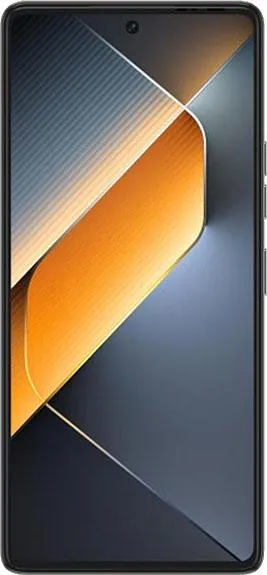
1. Specifications Comparison
| Feature | Xiaomi 14 | Tecno Pova 6 Pro | Practical Impact |
|---|---|---|---|
| Design | |||
| Dimensions (mm) | 152.8 x 71.5 x 8.2 | 165.5 x 76.1 x 7.9 | Xiaomi 14 is noticeably smaller and slightly thinner, making it more pocketable and easier to handle one-handed. |
| Weight (g) | 188 | 198 | The Xiaomi 14 is lighter, further enhancing one-handed usability. |
| Build Materials | Not specified | Not specified | Build quality and durability cannot be compared without more information. |
| Display | |||
| Display Type | LTPO OLED | AMOLED | Both offer excellent contrast and vibrant colors. LTPO allows for dynamic refresh rate adjustment in the Xiaomi 14, potentially saving battery. |
| Size (inches) | 6.36 | 6.78 | Tecno Pova 6 Pro offers a larger screen for more immersive media consumption and multitasking. |
| Resolution | 1200 x 2670 | 1080 x 2436 | Xiaomi 14 has a significantly sharper display (460 ppi vs 393 ppi), resulting in crisper text and images. |
| Peak Brightness (nits) | 3000 | 1300 | Xiaomi 14 can get much brighter, ensuring better visibility in direct sunlight. |
| Refresh Rate (Hz) | 120 | 120 | Both offer smooth scrolling and animations. |
| Performance | |||
| Chipset | Snapdragon 8 Gen 3 (4nm) | Mediatek Dimensity 6080 (6nm) | Snapdragon 8 Gen 3 is significantly more powerful, enabling smoother performance in demanding tasks and games. |
| CPU | Octa-core (1x3.3 GHz X4 & 3x3.2 GHz A720 & ...) | Octa-core (2x2.4 GHz A76 & 6x2.0 GHz A55) | The Xiaomi 14's CPU architecture is newer and more powerful. |
| GPU | Adreno 750 | Mali-G57 MC2 | Adreno 750 provides significantly better graphics performance for gaming and other visually demanding applications. |
| RAM | 12GB | 12GB | Both offer ample RAM for multitasking. |
| Storage | 256/512GB | 256GB | Xiaomi 14 offers a 512GB storage option for users needing more space. |
| Camera | |||
| Video Capabilities | 8K@24fps, 4K@60fps, ... | 1440p@30fps, 1080p@60fps | Xiaomi 14 offers significantly superior video recording capabilities including 8K resolution and higher frame rates. Details on image sensors and lens quality are missing for a thorough comparison. |
| Battery | |||
| Capacity (mAh) | 4610 | 6000 | Tecno Pova 6 Pro has a much larger battery capacity, likely resulting in significantly longer battery life. |
2. Key Differences Analysis
Xiaomi 14 Advantages:
- Significantly more powerful: The Snapdragon 8 Gen 3 offers a major performance advantage for demanding tasks and gaming.
- Sharper and brighter display: Higher resolution and peak brightness lead to a superior visual experience.
- More compact and lighter: Easier to handle and carry.
- Superior video recording capabilities: Offers higher resolution and frame rates.
Tecno Pova 6 Pro Advantages:
- Much larger battery: Potentially significantly longer battery life.
- Larger display: More immersive for media consumption and multitasking.
3. User Profiles & Recommendations
Xiaomi 14: Users who prioritize performance, a premium display, a compact form factor, and high-quality video recording. Suitable for demanding tasks, gaming, and media consumption on the go.
Tecno Pova 6 Pro: Users who prioritize long battery life and a large display. Best for users who consume a lot of media, browse the web extensively, and don't require top-tier performance.
4. Decision Framework
Key Questions for Buyers:
- What is your budget? Both are mid-range but actual pricing needs to be confirmed.
- What are your primary use cases? (Gaming, media consumption, productivity, etc.)
- How important is battery life versus performance and display quality?
Scenario-Based Recommendations:
- Heavy gamer: Xiaomi 14 for its superior performance.
- Road warrior needing all-day battery: Tecno Pova 6 Pro.
- Casual user prioritizing a balance: Decision depends on individual preferences for screen size and battery life vs. overall performance.
My Choice: Xiaomi 14
While the Tecno Pova 6 Pro offers a compelling advantage with its massive battery, the Xiaomi 14's superior performance, stunning display, and more compact form factor are more appealing to me. I prioritize a smooth and responsive user experience, and the Snapdragon 8 Gen 3 provides a significant leap in performance compared to the Dimensity 6080. The sharper, brighter display also enhances the overall user experience. The smaller size and lighter weight are preferable for daily use. While battery life is important, I'm willing to compromise slightly in that area for the overall superior performance and user experience offered by the Xiaomi 14. The superior video recording capabilities are also a significant factor in my decision. Finally, the dynamically adjusting refresh rate offered by the LTPO display in the Xiaomi 14 will likely mitigate some of the battery concerns.
