1. Specifications Comparison
| Feature | Xiaomi 14 | TCL 50 SE | Practical Impact |
|---|---|---|---|
| Design | |||
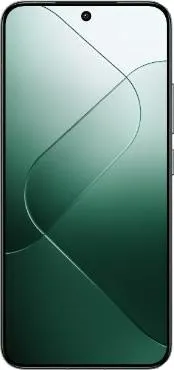
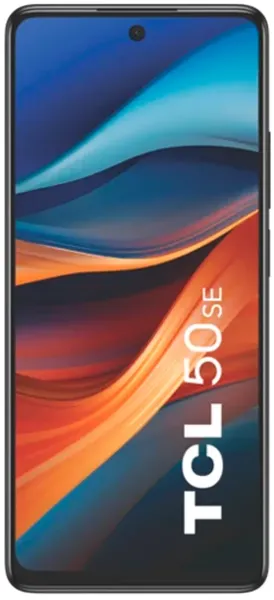
| Dimensions | 152.8 x 71.5 x 8.2 mm | 168.2 x 75.5 x 8.1 mm | Xiaomi 14 is significantly smaller and more pocketable. |
| Weight | 188g | 195g | Xiaomi 14 is slightly lighter, contributing to better one-handed use. |
| Build Materials | Not specified | Not specified | Cannot compare build quality and durability. |
| Display | |||
| Display Type | LTPO OLED | IPS LCD | Xiaomi 14's OLED offers deeper blacks, vibrant colors, and better power efficiency. |
| Display Size | 6.36" | 6.78" | TCL 50 SE provides a larger viewing area, better for media consumption; Xiaomi 14 is more compact. |
| Resolution | 1200 x 2670 | 1080 x 2460 | Xiaomi 14 has a sharper display with higher pixel density (460 ppi vs 396 ppi), resulting in crisper text and images. |
| Refresh Rate | 120Hz | 90Hz | Xiaomi 14 offers smoother scrolling and animations due to the higher refresh rate. |
| Peak Brightness | 3000 nits | 550 nits (typ) | Xiaomi 14 will be significantly more visible in direct sunlight. |
| Performance | |||
| Chipset | Snapdragon 8 Gen 3 (4nm) | MediaTek Helio G88 (12nm) | Xiaomi 14 offers vastly superior processing power and graphics performance, enabling demanding gaming and multitasking. |
| CPU | Octa-core (1x3.3 GHz Cortex-X4 & 3x3.2 GHz Cortex-A720 & 2x3.0 GHz Cortex-A720 & 2x2.3 GHz Cortex-A520) | Octa-core (2x2.0 GHz Cortex-A75 & 6x1.8 GHz Cortex-A55) | Xiaomi 14 has a significantly more powerful and efficient CPU architecture. |
| GPU | Adreno 750 | Mali-G52 MC2 | Xiaomi 14 boasts a much more capable GPU for high-end gaming and graphics-intensive tasks. |
| RAM | 12GB | 6GB | Xiaomi 14 has double the RAM, allowing for more apps to run in the background and smoother multitasking. |
| Storage | 256/512 GB | 256GB | Comparable storage, but Xiaomi 14 offers a 512GB option for users needing more space. |
| Camera | |||
| Video Capabilities | Up to 8K@24fps, 720p@1920fps | 1080p@30fps | Xiaomi 14 provides significantly more advanced video recording capabilities with higher resolution and frame rate options. Detail about photo capabilities is missing for both phones. |
| Battery | |||
| Capacity | 4610 mAh | 5010 mAh | TCL 50 SE has a larger battery capacity, potentially offering longer battery life. However, real-world battery life depends on various factors, including display type and processor efficiency. |
2. Key Differences Analysis
Xiaomi 14 Advantages:
- Significantly more powerful: The Snapdragon 8 Gen 3 chip provides a massive performance advantage for demanding tasks and gaming.
- Superior Display: The LTPO OLED display offers better color accuracy, deeper blacks, higher brightness, and a smoother 120Hz refresh rate.
- More Compact: Smaller dimensions and lighter weight make it more pocketable and comfortable for one-handed use.
- Advanced Video Recording: Offers significantly higher resolution and frame rate options for video recording.
TCL 50 SE Advantages:
- Larger Battery: Potentially longer battery life due to the larger battery capacity.
- Larger Display: Provides a more immersive media viewing experience.
3. User Profiles & Recommendations
Xiaomi 14: Ideal for users who prioritize performance, a premium display, a compact form factor, and advanced features like high-quality video recording. Suitable for demanding tasks like gaming, video editing, and multitasking.
TCL 50 SE: Best suited for users who prioritize battery life and a large screen for media consumption on a budget. Suitable for casual use, web browsing, and video streaming.
4. Decision Framework
Key Questions for Buyers:
- What is your budget? While both are mid-range, the Xiaomi 14 likely sits at the higher end of this range.
- What are your primary use cases? (Gaming, media consumption, productivity, etc.)
- Do you prioritize performance and premium features or battery life and affordability?
Scenario-Based Recommendations:
- Gamer: Xiaomi 14 for its superior performance.
- Casual User: TCL 50 SE for its larger battery and screen size.
- Power User: Xiaomi 14 for its all-around capabilities.
My Choice: Xiaomi 14
While lacking specific pricing information, assuming a reasonable price difference within the "medium price" range, I would choose the Xiaomi 14. The significant performance advantage offered by the Snapdragon 8 Gen 3, combined with the superior display quality and more compact form factor, outweighs the potential benefit of a slightly larger battery in the TCL 50 SE. The Xiaomi 14's advanced video recording capabilities are also a compelling factor. The superior user experience provided by the faster refresh rate, brighter display, and overall snappier performance would be worth the potential price premium for me. The TCL 50 SE seems like a decent budget option, but the Xiaomi 14 offers a significant leap in quality and capabilities.
