1. Specifications Comparison
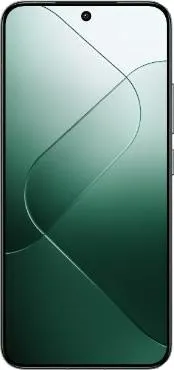
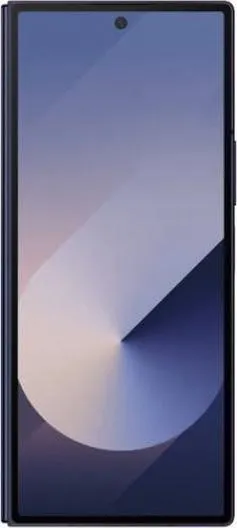
| Feature | Xiaomi 14 | Samsung Galaxy Z Fold6 | Practical Impact |
|---|---|---|---|
| Design | |||
| Dimensions | 152.8 x 71.5 x 8.2 mm | 153.5 x 132.6 x 5.6 mm (Folded) | Z Fold6 significantly wider and thicker when folded, more pocketable when unfolded. Xiaomi 14 is thinner and more traditionally sized. |
| Weight | 188g | 239g | Z Fold6 noticeably heavier, potentially impacting one-handed use. |
| Foldable | No | Yes | Z Fold6 offers a larger screen real estate and multitasking capabilities due to its foldable design. Xiaomi 14 is a traditional slab phone. |
| Display | |||
| Size | 6.36" | 7.6" (Unfolded) | Z Fold6 provides a significantly larger screen for media consumption and productivity. |
| Type | LTPO OLED | Foldable Dynamic LTPO AMOLED 2X | Both offer excellent color accuracy and power efficiency. The crease on the Z Fold6 might be noticeable to some users. |
| Resolution | 1200 x 2670 | 1856 x 2160 (Unfolded) | Both displays are sharp, but Z Fold6 offers a more immersive experience due to its larger size and unique aspect ratio. |
| Peak Brightness | 3000 nits | 2600 nits | Xiaomi 14 boasts slightly higher peak brightness, potentially improving outdoor visibility. |
| Refresh Rate | 120Hz | 120Hz | Both offer smooth scrolling and animations. |
| Performance | |||
| Chipset | Snapdragon 8 Gen 3 | Snapdragon 8 Gen 3 | Both phones offer top-tier performance, but slight clock speed differences in the CPU cores might result in minor performance variations in specific tasks. Needs further benchmarking. |
| GPU | Adreno 750 | Adreno 750 (1 GHz) | While both use the same GPU, the Z Fold6's GPU is explicitly mentioned to have a 1 GHz clock speed, potentially indicating a slight performance advantage in graphics-intensive tasks. |
| RAM | 12GB | 12GB | Both phones have ample RAM for multitasking. |
| Storage | 256/512GB | 512GB/1TB | Z Fold6 offers a 1TB storage option for users needing extensive local storage. |
| Battery | |||
| Capacity | 4610 mAh | 4400 mAh | Xiaomi 14 has a slightly larger battery. Real-world battery life depends on usage patterns and the Z Fold6's larger display might consume more power. |
| Other | |||
| Price Range | Medium | High | Z Fold6 is significantly more expensive. |
2. Key Differences Analysis
Xiaomi 14 Advantages:
- Lower Price: Offers flagship-level specifications at a more affordable price.
- More Pocketable: Thinner, lighter, and easier to carry than the Z Fold6.
- Higher Peak Brightness: Potentially better outdoor visibility.
- Larger Battery: Potentially longer battery life.
Samsung Galaxy Z Fold6 Advantages:
- Foldable Design: Offers a larger screen for multitasking and media consumption.
- Unique Form Factor: Provides a distinctive user experience.
- Potentially Higher GPU Performance: The specified 1 GHz GPU clock might provide a slight edge in gaming and other GPU-intensive tasks.
- Larger Storage Option: Offers a 1TB option for users with high storage demands.
Trade-offs:
- Z Fold6: Significantly higher price, larger and heavier, crease in the folding display.
- Xiaomi 14: Lacks the versatility of a foldable screen.
3. User Profiles & Recommendations
Xiaomi 14: Users seeking a powerful, traditional smartphone with a great display and battery life at a more affordable price. Suitable for everyday tasks, gaming, and media consumption.
Samsung Galaxy Z Fold6: Users who prioritize productivity and a large screen experience, willing to pay a premium for the foldable form factor. Ideal for multitasking, media consumption, and on-the-go work. Benefits users who value portability less than screen real estate.
4. Decision Framework
Key Questions:
- Budget: Is a premium price justifiable for the foldable form factor?
- Screen Size and Portability: Is a larger screen or a more pocketable device more important?
- Usage: Will the foldable design significantly enhance productivity and workflow, or is a traditional smartphone sufficient?
Scenario-Based Recommendations:
- Limited Budget, Value-Focused: Xiaomi 14
- Productivity Focused, Large Screen Essential: Z Fold6
- On-the-Go Entertainment, Pocketability Important: Xiaomi 14
My Choice: Xiaomi 14
While the Z Fold6 is undeniably innovative, the Xiaomi 14 offers a compelling combination of performance, features, and affordability. The slightly higher peak brightness and larger battery are attractive, and I personally prioritize pocketability and value. The price difference is substantial, and for my typical usage (communication, web browsing, occasional gaming, and media consumption), the traditional form factor of the Xiaomi 14 is more than sufficient. The Z Fold6's foldable screen, while impressive, doesn't offer enough practical benefits for me to justify the significant price premium and the compromises in size and weight. I am also wary of the potential longevity issues associated with foldable screen technology.
