1. Specifications Comparison
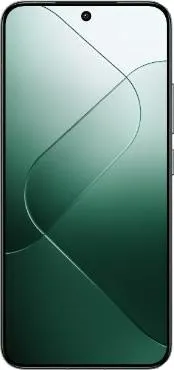
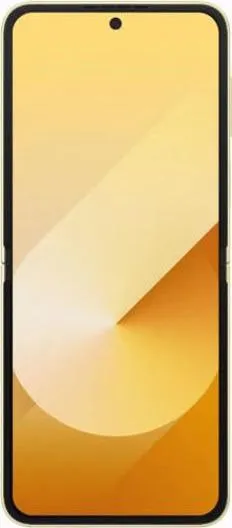
| Feature | Xiaomi 14 | Samsung Galaxy Z Flip6 | Practical Impact |
|---|---|---|---|
| Design | |||
| Dimensions | 152.8 x 71.5 x 8.2 mm | 165.1 x 71.9 x 6.9 mm (Folded) | Z Flip6 significantly smaller when folded, enhancing portability; Xiaomi 14 thinner overall. |
| Weight | 188g | 187g | Negligible weight difference. |
| Foldable | No | Yes | Z Flip6's unique folding design offers compact portability and a different form factor. |
| Display | |||
| Size | 6.36" | 6.7" | Z Flip6 offers a larger screen area for media consumption. |
| Type | LTPO OLED | Foldable Dynamic LTPO AMOLED 2X | Both offer excellent color accuracy and power efficiency; Z Flip6's foldable display is unique but potentially less durable. |
| Resolution | 1200 x 2670 | 1080 x 2640 | Xiaomi 14 has a slightly sharper display due to higher pixel density (460 ppi vs 426 ppi). |
| Peak Brightness | 3000 nits | 2600 nits | Xiaomi 14 offers better visibility in direct sunlight. |
| Refresh Rate | 120Hz | 120Hz | Both provide smooth scrolling and animations. |
| Performance | |||
| Chipset | Snapdragon 8 Gen 3 (4 nm) | Snapdragon 8 Gen 3 (4 nm) | Both phones offer top-tier performance with the latest chipset. Minor clock speed variations likely won't result in noticeable real-world differences. |
| CPU | Octa-core (1x3.3 GHz Cortex-X4 & 3x3.2 GHz...) | Octa-core (1x3.39GHz Cortex-X4 & 3x3.1GHz...) | Negligible performance difference in everyday usage. |
| GPU | Adreno 750 | Adreno 750 (1 GHz) | Similar graphical performance expected. |
| RAM | 12GB | 12GB | Both offer ample RAM for multitasking. |
| Storage | 256GB/512GB | 512GB | Xiaomi 14 offers a 256GB option, potentially lowering the entry price; both offer ample storage for most users. |
| Battery | |||
| Capacity | 4610 mAh | 4000 mAh | Xiaomi 14 likely offers longer battery life due to larger capacity. |
| Camera | |||
| Video Capabilities | 8K@24fps, 4K@ up to 60fps... | 4K@ up to 60fps... | Xiaomi 14 offers 8K video recording, providing higher resolution footage; practical benefits depend on user needs and display devices. No detailed sensor specs provided for comparison. |
2. Key Differences Analysis
Xiaomi 14 Advantages:
- Sharper Display: Higher resolution translates to crisper visuals.
- Brighter Display: Better outdoor visibility.
- Larger Battery: Potentially longer battery life.
- 8K Video Recording: Higher resolution video capture.
- More Storage Options: Offers a more affordable 256GB variant.
Samsung Galaxy Z Flip6 Advantages:
- Foldable Design: Unique form factor for portability and style.
- Larger Main Display: More immersive experience for media.
3. User Profiles & Recommendations
Xiaomi 14: Ideal for users prioritizing battery life, display quality, and overall performance. Suitable for power users, multimedia enthusiasts, and those who prefer a traditional smartphone form factor.
Samsung Galaxy Z Flip6: Best suited for users who value portability and a unique, fashionable device. Ideal for those who prioritize compactness and are willing to compromise slightly on battery life and potentially durability for the folding form factor.
4. Decision Framework
Key Questions for Buyers:
- Form Factor Preference: Do you prioritize a traditional slab phone or a compact foldable device?
- Battery Life Importance: Is all-day battery life a critical requirement?
- Budget: Which phone offers the best value for your budget considering storage options?
Scenario-Based Recommendations:
- For a business professional needing reliable battery life and a large screen for productivity: Xiaomi 14.
- For a trend-conscious user who values portability and style above all else: Samsung Galaxy Z Flip6.
- For a budget-conscious user who wants a powerful phone with a great display: Xiaomi 14 (256GB version).
My Choice: Xiaomi 14
While the Z Flip6's foldable design is intriguing, the Xiaomi 14 offers a more well-rounded package for my needs. The combination of a sharper, brighter display, larger battery, and potentially lower price with the 256GB option makes it a more compelling choice. I prioritize battery life and screen quality, and the Xiaomi 14 delivers in these areas. The 8K video recording is a bonus, though not a deciding factor. The traditional slab design also aligns with my preference. While the Z Flip6 offers a unique advantage with its portability, the potential trade-offs in battery life and durability aren't compelling enough for me personally.
