
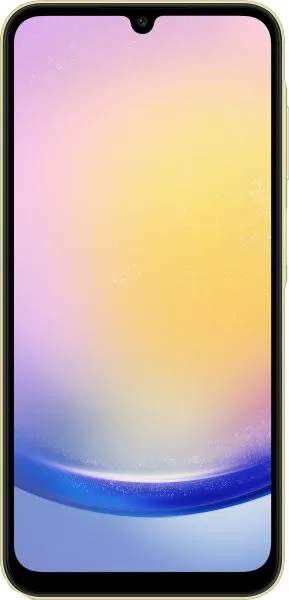
1. Specifications Comparison
| Feature | Xiaomi 14 | Samsung Galaxy A15 5G | Practical Impact |
|---|---|---|---|
| Design | |||
| Dimensions | 152.8 x 71.5 x 8.2 mm | 160.1 x 76.8 x 8.4 mm | Xiaomi 14 is noticeably smaller and thinner, making it more pocketable and comfortable for one-handed use. |
| Weight | 188g | 200g | Xiaomi 14 is lighter, further enhancing one-handed usability. |
| Build Material | Not specified | Not specified | Build quality and durability are unknown without further information. |
| Display | |||
| Display Type | LTPO OLED | Super AMOLED | Both offer vibrant colors and deep blacks. LTPO allows for dynamic refresh rate adjustment on the Xiaomi 14, saving battery. |
| Size | 6.36 inches | 6.5 inches | Negligible size difference in practical usage. |
| Resolution | 1200 x 2670 | 1080 x 2340 | Xiaomi 14 has a sharper display with higher pixel density (460 ppi vs 396 ppi), resulting in crisper text and images. |
| Refresh Rate | 120Hz | 90Hz | Xiaomi 14 offers smoother scrolling and animations. |
| Peak Brightness | 3000 nits | 800 nits (HBM) | Xiaomi 14 is significantly brighter, ensuring excellent outdoor visibility even in direct sunlight. A15's typical brightness is not listed. |
| Performance | |||
| Chipset | Snapdragon 8 Gen 3 (4nm) | Dimensity 6100+ (6nm) | Xiaomi 14 boasts a significantly more powerful processor, enabling much faster performance in demanding tasks and gaming. |
| CPU | Octa-core (1x3.3 GHz +...) | Octa-core (2x2.2 GHz +...) | The Xiaomi 14's CPU architecture and higher clock speeds provide a substantial performance advantage. |
| GPU | Adreno 750 | Mali-G57 MC2 | Xiaomi 14's GPU is considerably more powerful, delivering a superior gaming and graphics-intensive application experience. |
| RAM | 12GB | 6GB/8GB | Xiaomi 14 offers more RAM, enabling better multitasking and smoother performance with multiple apps open. |
| Storage | 256GB/512GB | 128GB/256GB | Both offer ample storage options, though the Xiaomi 14 offers a higher maximum capacity. |
| Camera | Not specified | Not specified | Camera quality cannot be compared without specific sensor details, aperture, and other camera features. |
| Battery | |||
| Capacity | 4610 mAh | 5000 mAh | Samsung A15 has a slightly larger battery capacity. However, Xiaomi 14's LTPO display may offset this difference with power efficiency. |
| Charging | Not specified | Not specified | Charging speeds are crucial but unknown. |
2. Key Differences Analysis
Xiaomi 14 Advantages:
- Significantly higher performance: The Snapdragon 8 Gen 3, coupled with more RAM, makes the Xiaomi 14 a powerhouse for demanding tasks and gaming.
- Superior display: Brighter, sharper, and smoother thanks to higher resolution, peak brightness, and 120Hz refresh rate.
- More compact design: Smaller and lighter, making it easier to handle.
Samsung Galaxy A15 5G Advantages:
- Potentially longer battery life: Larger battery capacity might translate to longer usage time, although this depends heavily on usage patterns and optimization.
- Potentially lower price: Given the specifications, the A15 likely falls into a lower price bracket within the "medium price" range.
Trade-offs:
- The Xiaomi 14's superior performance and display come at the cost of a potentially higher price and possibly slightly reduced battery life compared to the A15.
- The A15 offers a larger battery and potentially lower price but sacrifices performance and display quality.
3. User Profiles & Recommendations
Xiaomi 14: Ideal for power users, gamers, and those who prioritize performance, a premium display, and a compact design. Excellent for demanding tasks, content creation, and media consumption.
Samsung Galaxy A15 5G: Suitable for casual users who prioritize battery life and affordability over top-tier performance. Good for everyday tasks like browsing, social media, and light gaming.
4. Decision Framework
Key Questions:
- What is your budget? The Xiaomi 14 is likely more expensive.
- What are your primary smartphone usage patterns? Heavy gaming and multitasking benefit from the Xiaomi 14's power. Casual usage might favor the A15's potential battery life and affordability.
- Which features do you value most? Prioritize performance and display? Choose the Xiaomi 14. Prioritize battery life and affordability? Consider the A15.
Scenario-Based Recommendations:
- Heavy gamer: Xiaomi 14
- Budget-conscious social media user: Samsung Galaxy A15 5G
- Professional needing a powerful device: Xiaomi 14
My Choice: Xiaomi 14
While lacking complete camera and battery charging information, the Xiaomi 14 is the clear winner for me. The significant performance advantage offered by the Snapdragon 8 Gen 3, coupled with the superior display (higher resolution, brightness, refresh rate), makes it a compelling device. The more compact form factor is also a plus. While battery life is a concern, the LTPO display should mitigate some power consumption. I prioritize performance and a premium user experience, and I'm willing to pay a premium for it. The potential for slightly shorter battery life is a trade-off I'm willing to make for the significant gains in other areas. The A15 serves a purpose for budget-conscious buyers, but it doesn't offer the compelling experience the Xiaomi 14 promises.
