
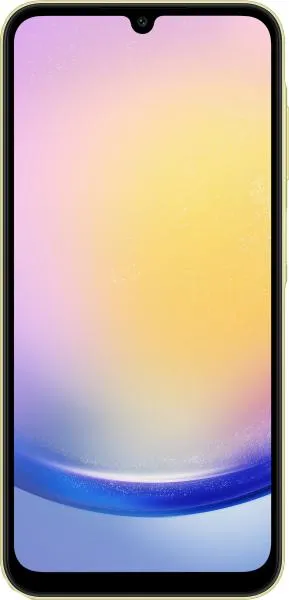
1. Specifications Comparison
| Feature | Xiaomi 14 | Samsung Galaxy A15 | Practical Impact |
|---|---|---|---|
| Design | |||
| Dimensions (mm) | 152.8 x 71.5 x 8.2 | 160.1 x 76.8 x 8.4 | Xiaomi 14 is noticeably smaller and thinner, making it more pocketable and comfortable for one-handed use. |
| Weight (g) | 188 | 200 | The Xiaomi 14 is lighter, further enhancing one-handed usability. |
| Build Materials | Not specified | Not specified | Cannot compare build quality and durability without more information. |
| Display | |||
| Display Type | LTPO OLED | Super AMOLED | Both offer vibrant colors and deep blacks. Xiaomi's LTPO panel allows for dynamic refresh rate adjustment, potentially saving battery. |
| Size (inches) | 6.36 | 6.5 | Negligible size difference; both are large displays. |
| Resolution | 1200 x 2670 | 1080 x 2340 | Xiaomi 14 has a sharper display with higher pixel density (460 ppi vs 396 ppi), resulting in crisper text and images. |
| Refresh Rate (Hz) | 120 | 90 | Xiaomi 14 offers smoother scrolling and animations thanks to the higher refresh rate. |
| Peak Brightness (nits) | 3000 | 800 (HBM) | Xiaomi 14 is significantly brighter, ensuring excellent outdoor visibility even in direct sunlight. A15's HBM value is unclear without knowing typical brightness. |
| Performance | |||
| Chipset | Snapdragon 8 Gen 3 (4nm) | Mediatek Helio G99 (6nm) | Xiaomi 14 boasts a significantly more powerful processor, enabling smoother multitasking, faster app loading, and better gaming performance. |
| CPU | Octa-core (1x3.3 GHz X4 & ...) | Octa-core (2x2.2 GHz A76 & ...) | The Snapdragon 8 Gen 3's architecture and higher clock speeds translate to a substantial performance advantage for the Xiaomi 14. |
| GPU | Adreno 750 | Mali-G57 MC2 | Xiaomi 14 has a much more powerful GPU, crucial for demanding games and graphics-intensive tasks. |
| RAM/Storage | 12GB/256GB, 12GB/512GB | 6GB/128GB, 8GB/128GB, 8GB/256GB | Xiaomi 14 offers more RAM and high-end storage options, leading to smoother multitasking and ample space for apps and files. |
| Camera | |||
| Video Capabilities | Up to 8K@24fps, 960fps slow-mo | 1080p@30fps | Xiaomi 14 offers vastly superior video recording capabilities with higher resolution, frame rates, and slow-motion options. Detailed photo comparison not possible due to missing A15 specs. |
| Battery | |||
| Capacity (mAh) | 4610 | 5000 | While the A15 has a slightly larger battery, the Xiaomi 14's more efficient processor and LTPO display could potentially result in comparable or even better battery life. Real-world usage will vary. |
2. Key Differences Analysis
Xiaomi 14 Advantages:
- Significantly more powerful: The Snapdragon 8 Gen 3 offers a substantial performance advantage for demanding tasks and gaming.
- Superior display: Brighter, sharper, and smoother thanks to the higher resolution, refresh rate, and peak brightness.
- More compact design: Smaller and lighter, making it more comfortable to hold and use.
- Advanced camera features: Significantly better video recording capabilities.
Samsung Galaxy A15 Advantages:
- Potentially longer battery life: Larger battery capacity, although real-world results depend on usage patterns.
- Lower price (inferred): Given the specs, the A15 likely targets a lower price point within the "medium price" range.
3. User Profiles & Recommendations
Xiaomi 14: Users who prioritize performance, a premium display, and a compact design. Ideal for power users, gamers, and content creators.
Samsung Galaxy A15: Users seeking a budget-friendly option with a large display and potentially long battery life. Suitable for basic tasks like browsing, social media, and casual gaming.
4. Decision Framework
Key Questions:
- What is your budget? The Xiaomi 14 is likely more expensive.
- What are your primary use cases? Demanding tasks and gaming benefit from the Xiaomi 14's power.
- Do you prioritize performance or battery life? The Xiaomi 14 offers superior performance, while the A15 might provide longer battery life.
My Choice: Xiaomi 14
While lacking some details on the A15 (specifically camera and build materials), the Xiaomi 14 is the clear winner for me. The superior performance, stunning display, and more compact design are compelling. I prioritize a smooth and responsive user experience, especially for gaming and multitasking, which the Snapdragon 8 Gen 3 delivers. While the A15 might offer longer battery life, the Xiaomi 14's LTPO display could potentially offset this difference. The significantly enhanced video capabilities are also a major plus. I am willing to pay a premium for the significant performance and feature upgrades offered by the Xiaomi 14.
