
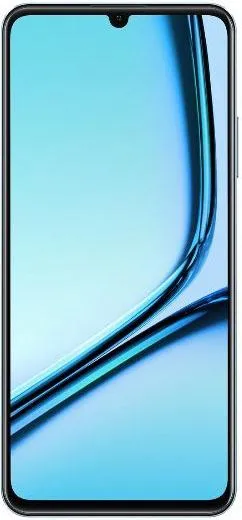
1. Specifications Comparison
| Feature | Xiaomi 14 | Realme Note 50 | Practical Impact |
|---|---|---|---|
| Design | |||
| Dimensions | 152.8 x 71.5 x 8.2 mm | 167.2 x 76.7 x 8 mm | Xiaomi 14 is noticeably smaller and slightly thinner, making it more pocketable and easier to handle. |
| Weight | 188g | 186g | Negligible weight difference; both phones are relatively lightweight. |
| Build Materials | Not specified | Not specified | Cannot compare build quality and durability without material information. |
| Display | |||
| Display Type | LTPO OLED | IPS LCD | Xiaomi 14's OLED offers significantly better contrast, deeper blacks, and wider viewing angles. LTPO allows for dynamic refresh rate adjustment, saving battery. |
| Size | 6.36" | 6.74" | Realme Note 50 has a larger screen, better for media consumption but less pocketable. |
| Resolution | 1200 x 2670 | 720 x 1600 | Xiaomi 14 boasts much higher resolution (460 ppi vs 260 ppi), resulting in sharper text and images. |
| Refresh Rate | 120Hz | 90Hz | Xiaomi 14 offers smoother scrolling and animations due to the higher refresh rate. |
| Peak Brightness | 3000 nits | 560 nits | Xiaomi 14 is vastly brighter, ensuring excellent outdoor visibility. |
| Performance | |||
| Chipset | Snapdragon 8 Gen 3 (4nm) | Unisoc Tiger T612 (12nm) | Xiaomi 14 features a flagship processor, offering significantly faster performance, better power efficiency, and superior gaming capabilities compared to the Realme Note 50's budget chipset. The 4nm process indicates a more advanced and power-efficient chip. |
| CPU | Octa-core (1x3.3 GHz Cortex-X4 & 3x3.2 GHz Cortex-A720 & 2x3.0 GHz Cortex-A720 & 2x2.3 GHz Cortex-A520) | Octa-core (2x1.8 GHz Cortex-A75 & 6x1.8 GHz Cortex-A55) | The Xiaomi 14's CPU configuration indicates a much more powerful processor designed for demanding tasks and multitasking. |
| GPU | Adreno 750 | Mali-G57 | Xiaomi 14's GPU is considerably more powerful, enabling smoother gaming and faster graphics rendering. |
| RAM | 12GB | 4GB | Xiaomi 14's larger RAM allows for significantly better multitasking and smoother performance. |
| Storage | 256/512GB | 128GB | Xiaomi 14 offers more storage options for apps, photos, and videos. |
| Battery | |||
| Capacity | 4610 mAh | 5000 mAh | Realme Note 50 has a slightly larger battery capacity, but the Xiaomi 14's more efficient processor and LTPO display might result in comparable or even better battery life. |
| Other | |||
| OS | Android 14 | Android 13 | Xiaomi 14 runs the latest Android version, offering potential new features and longer software support. |
| NFC | Yes | No | Xiaomi 14 supports contactless payments and data transfer via NFC. |
| Price Range | Medium | Low | Significant price difference; Xiaomi 14 is more expensive but offers vastly superior specifications. |
2. Key Differences Analysis
Xiaomi 14 Advantages:
- Significantly superior performance: The Snapdragon 8 Gen 3 provides a massive leap in processing power, graphics rendering, and overall speed compared to the Unisoc Tiger T612.
- Premium Display: The high-resolution OLED with 120Hz refresh rate and HDR support delivers a vibrant and smooth visual experience.
- Advanced Features: NFC, newer USB standard, and in-display fingerprint sensor offer more convenience and modern functionalities.
- Latest OS: Android 14 ensures access to the newest features and potentially longer software updates.
Realme Note 50 Advantages:
- Larger Battery: The 5000mAh battery may provide longer battery life for basic usage.
- Lower Price: Significantly more affordable.
3. User Profiles & Recommendations
Xiaomi 14: Users who prioritize performance, a premium display, and the latest features. Ideal for demanding tasks, gaming, content creation, and those seeking a flagship experience.
Realme Note 50: Budget-conscious users who primarily use their phones for basic tasks like calling, texting, browsing, and social media. Not recommended for demanding applications or gaming.
4. Decision Framework
Key Questions:
- What is your budget? The Xiaomi 14 is significantly more expensive.
- What are your primary phone usage patterns? For basic use, the Realme Note 50 might suffice. For demanding tasks and gaming, the Xiaomi 14 is essential.
- How important are display quality and performance? The Xiaomi 14 drastically outperforms the Realme Note 50 in these areas.
My Choice: Xiaomi 14
The Xiaomi 14 is the clear winner for me. While significantly more expensive, the vastly superior performance, stunning display, and advanced features justify the price premium. The Snapdragon 8 Gen 3, high refresh rate OLED, and ample RAM ensure a smooth and responsive user experience for years to come. The Realme Note 50, while budget-friendly, compromises heavily on performance and features, making it unsuitable for my needs. I prioritize a fluid user experience and future-proofing, making the Xiaomi 14 the better long-term investment.
