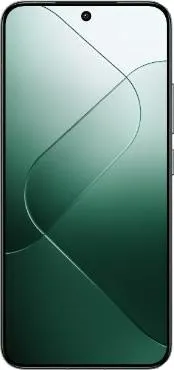

1. Specifications Comparison
| Feature | Xiaomi 14 | Realme 12+ | Practical Impact |
|---|---|---|---|
| Design | |||
| Dimensions | 152.8 x 71.5 x 8.2 mm | 163 x 75.5 x 7.9 mm | Xiaomi 14 is noticeably smaller and slightly thinner, making it more pocketable and easier to handle one-handed. |
| Weight | 188g | 190g | Negligible weight difference. |
| Build Materials | Not specified | Not specified | Build quality and durability are unknown without further information. |
| Display | |||
| Display Type | LTPO OLED, 68B colors | AMOLED | Xiaomi 14's LTPO panel allows for dynamic refresh rate adjustment, potentially saving battery. 68B colors offer smoother color gradients compared to standard 10-bit AMOLED. |
| Size | 6.36" | 6.67" | Realme 12+ offers a larger screen for more immersive media consumption, while Xiaomi 14 is more compact. |
| Resolution | 1200 x 2670 | 1080 x 2400 | Xiaomi 14 has a significantly sharper display (460 ppi vs 395 ppi), resulting in crisper text and images. |
| Peak Brightness | 3000 nits | 2000 nits | Xiaomi 14 will be significantly more visible in direct sunlight. |
| Refresh Rate | 120Hz | 120Hz | Both offer smooth scrolling and animations. |
| Performance | |||
| Chipset | Snapdragon 8 Gen 3 (4nm) | Dimensity 7050 (6nm) | Xiaomi 14 boasts a significantly more powerful processor, leading to much faster performance in demanding tasks and gaming. The 4nm process also suggests better power efficiency. |
| CPU | Octa-core (1x3.3 GHz Cortex-X4 &...) | Octa-core (2x2.6 GHz Cortex-A78 &...) | Xiaomi 14's CPU architecture offers superior performance, particularly in single-core tasks. |
| GPU | Adreno 750 | Mali-G68 MC4 | Xiaomi 14's GPU provides a significant advantage in graphics performance, resulting in smoother gaming and faster rendering. |
| RAM | 12GB | 8GB | Xiaomi 14 offers more RAM for better multitasking and app switching performance. |
| Storage | 256/512GB | 256GB | Xiaomi offers a 512GB option for users needing more storage. |
| Camera | Not specified | Not specified | Insufficient information to compare camera performance. |
| Battery | |||
| Capacity | 4610 mAh | 5000 mAh | Realme 12+ has a larger battery capacity, potentially offering longer battery life. However, Xiaomi 14's more efficient chipset and LTPO display could offset this difference. |
| Charging Speed | Not specified | Not specified | Charging speeds are crucial for usability but cannot be compared without further data. |
2. Key Differences Analysis
Xiaomi 14 Advantages:
- Significantly more powerful: The Snapdragon 8 Gen 3 offers a substantial performance leap over the Dimensity 7050, resulting in smoother gaming, faster app loading, and better multitasking.
- Sharper and brighter display: The higher resolution and peak brightness of the Xiaomi 14's display provide a superior visual experience.
- More compact design: Easier for one-handed use.
Realme 12+ Advantages:
- Larger battery: Potentially longer battery life, though real-world usage depends on other factors.
- Larger display: More immersive experience for media consumption.
Trade-offs:
- Xiaomi 14: Higher price expected due to superior specifications.
- Realme 12+: Compromises on performance and display quality for a potentially lower price and larger battery.
3. User Profiles & Recommendations
Xiaomi 14: Ideal for users who prioritize performance, a premium display, and a compact form factor. Suitable for demanding tasks like gaming, video editing, and heavy multitasking.
Realme 12+: Best suited for users who prioritize battery life and a large screen for media consumption, and are on a tighter budget. Casual users who primarily use their phone for browsing, social media, and light gaming would find this suitable.
4. Decision Framework
Key Questions for Buyers:
- What is your budget? The Xiaomi 14 will likely be more expensive.
- What are your primary phone usage patterns? (Gaming, media consumption, productivity, etc.)
- Do you prioritize performance or battery life?
My Choice: Xiaomi 14
While lacking full camera specifications, the Xiaomi 14 is the clear winner for me. The superior performance offered by the Snapdragon 8 Gen 3, coupled with the sharper, brighter, and more advanced LTPO display, greatly outweighs the Realme 12+'s larger battery and screen size. I value a smooth and responsive user experience, particularly for gaming and demanding tasks, and I am willing to pay a premium for that. The more compact form factor is also appealing. While battery life is important, the Xiaomi 14's efficiency improvements could potentially close the gap, and fast charging (specs not provided) could mitigate any remaining difference.
