1. Specifications Comparison
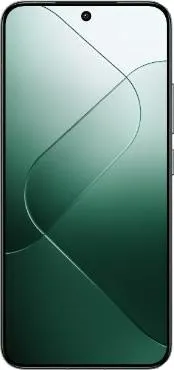
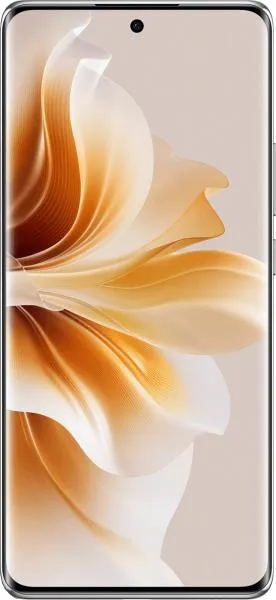
| Feature | Xiaomi 14 | Oppo Reno11 | Practical Impact |
|---|---|---|---|
| Design | |||
| Dimensions | 152.8 x 71.5 x 8.2 mm | 162.4 x 74.3 x 7.9 mm | Xiaomi 14 is noticeably smaller and slightly thinner, making it more pocketable and easier to handle one-handed. |
| Weight | 188g | 182g | The weight difference is negligible in real-world usage. |
| Build Materials | Not specified | Not specified | Cannot compare build quality and durability without this information. |
| Display | |||
| Size | 6.36" | 6.7" | Oppo Reno11 offers a larger screen for more immersive media consumption and multitasking. |
| Type | LTPO OLED | AMOLED | Both are high-quality display technologies, but LTPO allows for dynamic refresh rate adjustment, potentially saving battery on the Xiaomi 14. |
| Resolution | 1200 x 2670 | 1080 x 2412 | Xiaomi 14 has a significantly sharper display (460 ppi vs 394 ppi) resulting in crisper text and images. |
| Peak Brightness | 3000 nits | 950 nits | Xiaomi 14's dramatically higher peak brightness ensures excellent outdoor visibility even in direct sunlight. |
| Refresh Rate | 120Hz | 120Hz | Both offer smooth scrolling and animations. |
| Performance | |||
| Chipset | Snapdragon 8 Gen 3 (4nm) | MediaTek Dimensity 7050 (6nm) | Xiaomi 14's Snapdragon 8 Gen 3 is a flagship-level processor significantly more powerful than the Dimensity 7050, enabling smoother performance in demanding tasks and gaming. The 4nm process also suggests better power efficiency. |
| CPU | Octa-core (1x3.3 GHz X4 & 3x3.2 GHz A720 & ...) | Octa-core (2x2.6 GHz A78 & 6x2.0 GHz A55) | The Xiaomi 14's CPU architecture and higher clock speeds will deliver substantially faster processing power. |
| GPU | Adreno 750 | Mali-G68 MC4 | Xiaomi 14's Adreno 750 offers superior graphics performance for gaming and other visually intensive tasks. |
| RAM | 12GB | 12GB | Both offer ample RAM for smooth multitasking. |
| Storage | 256/512GB | 256GB | Xiaomi 14 offers a 512GB storage option for users needing more space. |
| Battery | |||
| Capacity | 4610 mAh | 5000 mAh | Oppo Reno11 has a larger battery capacity, potentially offering longer battery life. However, the Xiaomi 14's more efficient processor and LTPO display could offset this difference. |
| Charging Speed | Not specified | Not specified | Cannot compare charging speeds without this information. |
2. Key Differences Analysis
Xiaomi 14 Advantages:
- Significantly more powerful: The Snapdragon 8 Gen 3 offers a substantial performance advantage for demanding tasks and gaming.
- Sharper and brighter display: Higher resolution and peak brightness provide a superior visual experience.
- More compact design: Easier to handle and carry.
Oppo Reno11 Advantages:
- Larger battery: Potentially longer battery life, although real-world usage will depend on other factors.
- Larger display: More immersive for media consumption and multitasking.
3. User Profiles & Recommendations
Xiaomi 14: Ideal for users who prioritize performance, a premium display, and a compact form factor. Suitable for power users, gamers, and those who value a high-quality visual experience.
Oppo Reno11: Suitable for users who prioritize battery life and a large screen for media consumption. A good option for casual users, those on a tighter budget, and those who watch a lot of videos or multitask frequently.
4. Decision Framework
Key Questions:
- What is your budget? Both are mid-range but the Xiaomi 14 might be positioned at the higher end.
- What is your primary use case? (Gaming, media consumption, productivity, etc.)
- Do you prioritize performance or battery life?
My Choice: Xiaomi 14
While the Oppo Reno11 offers a larger battery and display, the Xiaomi 14's superior performance, brighter and sharper display, and more compact form factor are more compelling to me. The Snapdragon 8 Gen 3 is a significant upgrade that will provide a noticeably smoother and more responsive user experience in everyday tasks and demanding applications. I prioritize a fluid and responsive user experience and a high-quality display, and I am willing to potentially sacrifice some battery life for that. The smaller size is also a plus for me. The lack of detailed battery charging specifications for both phones prevents a full assessment, but I believe the efficiency gains from the Xiaomi 14's chipset and display could offset the Reno11's larger battery capacity in real-world usage.
