1. Specifications Comparison
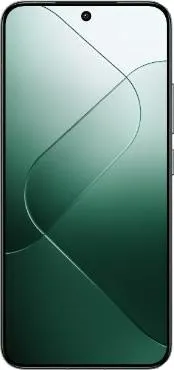
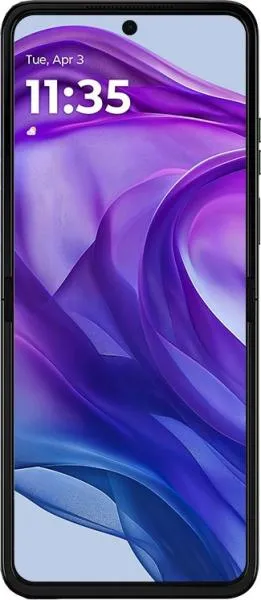
| Feature | Xiaomi 14 | Motorola Razr 50 Ultra | Practical Impact |
|---|---|---|---|
| Design | |||
| Dimensions | 152.8 x 71.5 x 8.2 mm | 171.4 x 74 x 7.1 mm (Unfolded) | Razr 50 Ultra significantly taller and wider when unfolded, but much more compact when folded. Xiaomi 14 is thinner overall. |
| Weight | 188g | 189g | Negligible weight difference. |
| Foldable | No | Yes | Razr 50 Ultra offers portability advantage when folded; Xiaomi 14 offers a traditional smartphone form factor. |
| Display | |||
| Size | 6.36" | 6.9" | Razr 50 Ultra offers a larger screen for media consumption. |
| Type | LTPO OLED | Foldable LTPO AMOLED | Razr's foldable screen introduces a crease and potential durability concerns. Xiaomi 14's traditional display may offer better visual consistency. |
| Resolution | 1200 x 2670 | 1080 x 2640 | Xiaomi 14 has a slightly sharper display due to higher pixel density (460ppi vs 413ppi). |
| Refresh Rate | 120Hz | 165Hz | Razr 50 Ultra offers smoother scrolling and animations. Difference may not be perceptible to all users. |
| Peak Brightness | 3000 nits | 3000 nits | Both excel in outdoor visibility. |
| Performance | |||
| Chipset | Snapdragon 8 Gen 3 | Snapdragon 8+ Gen 1 | Xiaomi 14 boasts a significantly newer and more powerful processor, leading to better performance and efficiency. |
| CPU | Octa-core (1x3.3 GHz...) | Octa-core (1x3.0 GHz...) | Xiaomi 14's CPU has higher clock speeds, translating to faster processing in demanding tasks. |
| GPU | Adreno 750 | Adreno 735 | Xiaomi 14 has a more powerful GPU, resulting in smoother gaming and graphics performance. |
| RAM | 12GB | 12GB | Both offer ample RAM for multitasking. |
| Storage | 256/512GB | 256GB | Xiaomi 14 offers a 512GB storage option for users needing more space. |
| Battery | |||
| Capacity | 4610 mAh | 3800 mAh | Xiaomi 14 has a significantly larger battery, likely resulting in longer battery life. |
| Other | |||
| OS | Android 14 | Android 14 | Both run the latest Android version at launch. Max OS version unknown for Xiaomi 14, 17 for Razr 50 Ultra. |
| USB | USB Type-C 3.2 | USB Type-C 2.0 | Xiaomi 14 offers faster data transfer speeds. |
| Sensors | ...color spectrum | ... Fingerprint (side-mounted) | Xiaomi 14 includes a color spectrum sensor for potentially improved display color accuracy. Razr's side fingerprint scanner might be more accessible while folded. |
| Video Capabilities | Up to 8K@24fps | Up to 4K@60fps | Xiaomi 14 supports 8K video recording, offering higher resolution video. |
2. Key Differences Analysis
Xiaomi 14 Advantages:
- Superior Performance: The Snapdragon 8 Gen 3 provides a significant performance advantage over the Razr's 8+ Gen 1. This translates to faster app loading, smoother multitasking, and better gaming.
- Longer Battery Life: The larger battery capacity suggests significantly longer usage time.
- Sharper Display: Higher resolution results in a slightly sharper image.
- Faster Charging & Data Transfer: USB 3.2 offers significant advantages in charging and data transfer speeds.
- Larger Storage Option: Availability of a 512GB model caters to users with high storage demands.
Motorola Razr 50 Ultra Advantages:
- Foldable Design: Offers unparalleled portability and a unique form factor.
- Higher Refresh Rate Display: Provides smoother scrolling and animations, though the difference might not be noticeable to all users.
3. User Profiles & Recommendations
Xiaomi 14: Ideal for users prioritizing performance, battery life, and a traditional smartphone experience. Excellent for power users, gamers, and those who consume a lot of media.
Motorola Razr 50 Ultra: Best suited for users who value portability and a unique, compact design above all else. Appeals to those who want a phone that easily fits in a pocket or small bag.
4. Decision Framework
Key Questions:
- Is portability your top priority? If yes, the Razr's foldable design is a compelling advantage.
- Do you need the best possible performance and battery life? If yes, the Xiaomi 14 is the clear winner.
- Are you willing to compromise on some aspects for the novelty of a foldable phone? The Razr requires accepting potential trade-offs in performance, battery life, and durability.
My Choice: Xiaomi 14
While the Razr 50 Ultra's foldable design is intriguing, the Xiaomi 14's superior performance, battery life, and overall feature set make it the more compelling device for me. I prioritize a smooth and powerful user experience, and the Xiaomi 14 delivers that with its latest-generation processor and larger battery. The faster charging and data transfer speeds offered by USB 3.2 are also significant advantages in my daily usage. The slightly sharper display is a bonus. While I appreciate the Razr's portability, I'm not willing to compromise on performance and battery life for the foldable form factor. The potential durability concerns associated with foldable screens also contribute to my decision.
