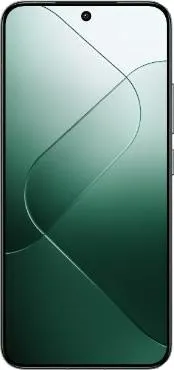
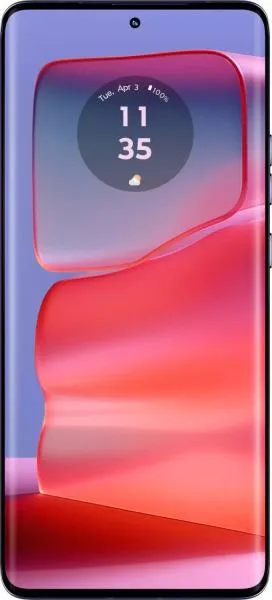
1. Specifications Comparison
| Feature | Xiaomi 14 | Motorola Edge 50 Pro | Practical Impact |
|---|---|---|---|
| Design | |||
| Dimensions | 152.8 x 71.5 x 8.2 mm | 161.2 x 72.4 x 8.2 mm | The Xiaomi 14 is noticeably smaller and potentially easier to handle one-handed. |
| Weight | 188g | 186g | Negligible weight difference. |
| Display | |||
| Size | 6.36" | 6.7" | The Motorola offers a larger screen for media consumption but might be less pocketable. |
| Type | LTPO OLED | P-OLED | Both are high-quality display types, but LTPO generally offers better power efficiency due to variable refresh rate. |
| Resolution | 1200 x 2670 | 1220 x 2712 | Similar sharpness; the slight difference is imperceptible in real-world use. |
| Refresh Rate | 120Hz | 144Hz | The Motorola's higher refresh rate can result in smoother animations and scrolling, especially noticeable in gaming. |
| Peak Brightness | 3000 nits | 2000 nits | The Xiaomi 14 will be significantly more readable in direct sunlight. |
| Performance | |||
| Chipset | Snapdragon 8 Gen 3 | Snapdragon 7 Gen 3 | The 8 Gen 3 in the Xiaomi 14 is a flagship-level processor, offering significantly better performance in demanding tasks like gaming and video editing compared to the mid-range 7 Gen 3. |
| CPU | Octa-core (1x3.3 GHz X4 & 3x3.2 GHz A720 & ...) | Octa-core (1x2.63 GHz A715 & ...) | The Xiaomi 14 boasts a more powerful CPU architecture, translating to faster app loading, smoother multitasking, and better overall responsiveness. |
| GPU | Adreno 750 | Adreno 720 | The Adreno 750 provides a substantial boost in graphics performance for gaming and other visually demanding applications. |
| RAM | 12GB | 12GB | Both offer ample RAM for smooth multitasking. |
| Storage | 256/512GB | 256/512GB | Similar storage options. |
| Battery | |||
| Capacity | 4610 mAh | 4500 mAh | Marginally larger battery in the Xiaomi 14, but real-world battery life depends on numerous factors. |
| Camera | |||
| Video Capabilities | 8K@24fps, 4K@60fps, up to 720p@1920fps (slow-mo) | 4K@30fps, 1080p@120fps | The Xiaomi 14 provides significantly more versatile video recording options, including higher resolution (8K) and frame rates (up to 1920fps for super slow-motion). Missing detailed camera sensor specs limit a full comparison. |
2. Key Differences Analysis
Xiaomi 14 Advantages:
- Significantly more powerful: The Snapdragon 8 Gen 3 offers a substantial performance advantage for demanding tasks.
- Brighter Display: Much higher peak brightness ensures excellent outdoor visibility.
- More versatile video recording: Supports 8K recording and higher frame rates for slow-motion.
- Smaller form factor: Potentially more comfortable for one-handed use.
Motorola Edge 50 Pro Advantages:
- Higher Refresh Rate Display: Smoother scrolling and animations, especially noticeable in gaming.
- Potentially Lower Price: While both are mid-range, the Snapdragon 7 Gen 3 often results in a lower overall price point.
Trade-offs:
- Performance vs. Price: The Xiaomi 14 prioritizes performance with its flagship chipset but likely comes at a higher price. The Motorola offers a balance between performance and affordability.
3. User Profiles & Recommendations
Xiaomi 14: Users who prioritize performance, a bright display for outdoor use, and advanced video recording capabilities. Ideal for power users, gamers, and content creators.
Motorola Edge 50 Pro: Users who want a smooth display experience, good performance for everyday tasks, and a potentially more affordable option. Suitable for general users, social media enthusiasts, and casual gamers.
4. Decision Framework
Key Questions for Buyers:
- What is your budget? The Xiaomi 14 will likely be more expensive.
- What are your primary use cases? (Gaming, content creation, general use)
- Do you prioritize performance or battery life? (The impact of the different chipsets on battery life is unknown without testing).
My Choice: Xiaomi 14
While lacking complete camera specifications limits a full assessment, the Xiaomi 14 is the superior device based on the provided information. The Snapdragon 8 Gen 3's significant performance advantage, coupled with the incredibly bright display and more versatile video recording capabilities, makes it a compelling choice. I value performance and a great outdoor viewing experience, and the Xiaomi 14 delivers on both fronts. While the Motorola Edge 50 Pro offers a smoother display and potentially lower price, the performance difference is substantial enough to justify the likely price premium for the Xiaomi 14, especially for demanding tasks and long-term usability. The smaller form factor is also appealing for one-handed usage.
