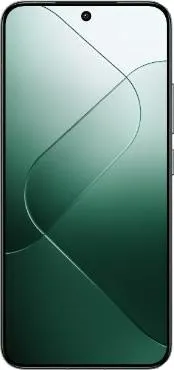
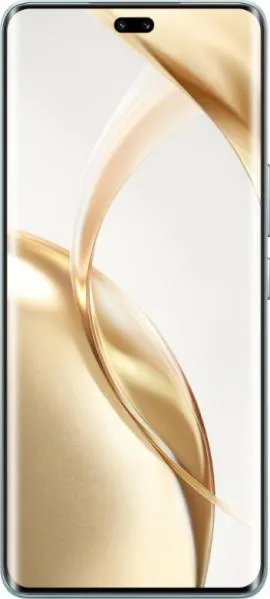
Xiaomi 14 vs. Honor 200 Pro: A Deep Dive for the Discerning User
Let's cut through the marketing fluff and dissect the Xiaomi 14 and Honor 200 Pro, focusing on what truly matters: how these phones perform in the real world. As a tech journalist with an engineering background, I'll break down the specs, translate them into everyday experiences, and help you decide which phone fits your needs.
1. Specifications Breakdown
| Feature | Xiaomi 14 | Honor 200 Pro | Real-World Implications |
|---|---|---|---|
| Design | |||
| Dimensions | 152.8 x 71.5 x 8.2 mm | 163.3 x 75.2 x 8.2 mm | Xiaomi 14 is noticeably more compact, easier for one-handed use. Honor 200 Pro feels larger in hand. |
| Weight | 188g | 199g | Xiaomi 14 is lighter, reducing hand fatigue during extended use. |
| Display | |||
| Size | 6.36" | 6.78" | Honor 200 Pro offers a larger screen for immersive media consumption. |
| Type | LTPO OLED, 120Hz, Dolby Vision | OLED, 120Hz, HDR | Both offer smooth scrolling; Xiaomi 14's LTPO allows for dynamic refresh rate, saving battery. |
| Peak Brightness | 3000 nits | 4000 nits | Honor 200 Pro boasts higher peak brightness, improving outdoor visibility. |
| Resolution | 1200 x 2670 | 1224 x 2700 | Both are sharp; negligible real-world difference in clarity. |
| Performance | |||
| Chipset | Snapdragon 8 Gen 3 | Snapdragon 8s Gen 3 | Xiaomi 14's Gen 3 chip provides a significant performance advantage in demanding tasks and gaming. |
| CPU | Octa-core (up to 3.3 GHz) | Octa-core (up to 3.0 GHz) | Xiaomi 14 offers faster processing speeds, leading to snappier performance. |
| GPU | Adreno 750 | Adreno 735 | Xiaomi 14 has a more powerful GPU, delivering smoother gaming and graphics performance. |
| RAM | 12GB | 12GB | Both offer ample RAM for multitasking. |
| Storage | 256/512GB | 512GB | Xiaomi 14 provides a 256GB option for those seeking a lower price point. |
| Battery Life | |||
| Capacity | 4610 mAh | 5200 mAh | Honor 200 Pro has a larger battery, likely resulting in longer battery life. |
2. Key Insights
The Xiaomi 14 is the clear performance champion, thanks to the latest Snapdragon 8 Gen 3. This translates to faster app loading, smoother gaming, and superior multitasking. Its more compact form factor also enhances one-handed usability.
The Honor 200 Pro counters with a larger display, brighter screen for outdoor use, and a significantly larger battery, promising extended usage between charges.
3. User Profiles and Recommendations
Xiaomi 14: Ideal for power users, gamers, and those who prioritize performance and a compact design. The superior processing power will be noticeable in demanding applications and multitasking scenarios.
Honor 200 Pro: Suited for users who value a large, bright display for media consumption and extended battery life for all-day usage. Those who prioritize battery life over peak performance will find this phone appealing.
4. Buying Decision Framework
- Is top-tier performance your priority? If yes, the Xiaomi 14's Snapdragon 8 Gen 3 is the clear winner.
- Do you value a larger screen and longer battery life above all else? If so, the Honor 200 Pro is the better choice.
- How important is one-handed usability? The Xiaomi 14's smaller size makes it easier to manage.
My Choice: The Xiaomi 14
While the Honor 200 Pro's larger battery and brighter screen are tempting, I'd choose the Xiaomi 14. As someone who frequently uses demanding applications and values a smooth, responsive user experience, the Snapdragon 8 Gen 3 is a compelling advantage. The more compact form factor is also a significant plus for me. The performance difference between the 8 Gen 3 and the 8s Gen 3 is substantial enough to sway my decision, even considering the trade-offs in battery capacity and screen size. I'm willing to carry a portable charger to ensure all-day power in exchange for the significant performance boost the Xiaomi 14 offers. Ultimately, it aligns better with my usage patterns and priorities.
