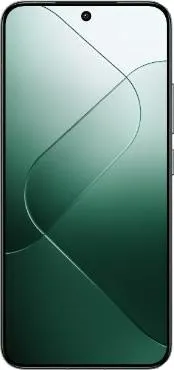
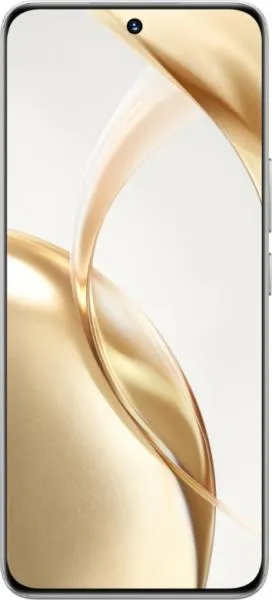
Xiaomi 14 vs. Honor 200: A Deep Dive for the Discerning User
The mid-range smartphone arena is heating up, with the Xiaomi 14 and Honor 200 vying for your attention. Both boast impressive specs on paper, but let's dissect the real-world implications of these numbers to see which device truly reigns supreme.
1. Specifications Breakdown
| Feature | Xiaomi 14 | Honor 200 | Real-World Implications |
|---|---|---|---|
| Design | |||
| Dimensions | 152.8 x 71.5 x 8.2 mm | 161.5 x 74.6 x 7.7 mm | Xiaomi 14 is noticeably more compact, offering better one-handed usability. Honor 200 is larger. |
| Weight | 188g | 187g | Negligible weight difference; both feel comfortable in hand. |
| Display | |||
| Size | 6.36" | 6.7" | Honor 200 provides a larger viewing area for media consumption; Xiaomi 14 prioritizes portability. |
| Type | LTPO OLED | OLED | Xiaomi 14's LTPO panel allows for dynamic refresh rate adjustment, saving battery. |
| Refresh Rate | 120Hz | 120Hz | Both offer smooth scrolling and animations. |
| Peak Brightness | 3000 nits | 4000 nits | Honor 200 should be more visible in direct sunlight. |
| Performance | |||
| Chipset | Snapdragon 8 Gen 3 | Snapdragon 7 Gen 3 | Xiaomi 14 boasts significantly higher CPU and GPU performance for demanding tasks and gaming. |
| CPU | Octa-core (1x3.3 GHz X4...) | Octa-core (1x2.63 GHz A715...) | Xiaomi 14's superior core configuration translates to faster processing speeds. |
| GPU | Adreno 750 | Adreno 720 | Xiaomi 14 will deliver smoother gaming and faster graphics rendering. |
| RAM | 12GB | 12GB | Both offer ample RAM for multitasking and smooth operation. |
| Battery Life | |||
| Capacity | 4610 mAh | 5200 mAh | Honor 200 has a larger battery, potentially offering longer usage time. |
| Other | |||
| OS | Android 14 | Android 14 | Both run the latest Android version. |
| NFC | Yes | Yes | Both support contactless payments. |
2. Key Insights
The Xiaomi 14 is a powerhouse, packing the flagship Snapdragon 8 Gen 3 for unparalleled performance. Its LTPO display strikes a balance between visual fidelity and battery efficiency. While the battery is smaller than the Honor 200's, the power-efficient chip and display should mitigate this difference.
The Honor 200, while not as powerful, offers a larger display and battery. The Snapdragon 7 Gen 3 is no slouch, capable of handling most tasks with ease. It shines in content consumption scenarios thanks to its expansive screen and potentially longer battery life. The higher peak brightness on the Honor 200 also makes it a compelling choice for outdoor usage.
3. User Profiles and Recommendations
Xiaomi 14: Ideal for power users, gamers, and those who demand top-tier performance without compromise. Its compact form factor also appeals to users who prioritize one-handed usability.
Honor 200: Suited for users who prioritize media consumption, battery life, and a large display. Its excellent peak brightness makes it a solid choice for those who spend a lot of time outdoors.
4. Buying Decision Framework
- What is your priority: Performance or Battery Life? Xiaomi 14 for performance, Honor 200 for extended battery.
- Do you prefer a compact or larger phone? Xiaomi 14 for portability, Honor 200 for a bigger screen.
- What is your budget? While both are mid-range, slight price variations may exist. Consider the features most important to you in relation to the price.
My Choice: The Xiaomi 14
While the Honor 200 offers tempting features like a larger battery and brighter display, I would choose the Xiaomi 14. The Snapdragon 8 Gen 3 offers a significant performance leap that, for me, outweighs the benefits of the Honor 200. As someone who frequently multitasks, edits photos and videos on the go, and enjoys mobile gaming, the raw power of the Xiaomi 14 is crucial. The more compact form factor also aligns with my preference for one-handed usability. I'm willing to slightly compromise on battery life and screen size for the significant boost in overall performance and responsiveness. The LTPO display technology in the Xiaomi 14 also gives me confidence that it can intelligently manage power consumption, hopefully offsetting the smaller battery capacity.
