Xiaomi 14 vs. Google Pixel 9: A Deep Dive
Let's dissect the Xiaomi 14 and Google Pixel 9, two compelling contenders in the smartphone arena. We'll go beyond the spec sheet to uncover what these numbers truly mean for your daily life.
1. Specifications Breakdown
| Feature | Xiaomi 14 | Google Pixel 9 | Real-World Implications | |||||
|---|---|---|---|---|---|---|---|---|
| Design | ||||||||
| Dimensions | 152.8 x 71.5 x 8.2 mm | 152.8 x 72 x 8.5 mm | Xiaomi 14 slightly narrower, thinner. Negligible difference in hand. | |||||
| Weight | 188g | 198g | Xiaomi 14 noticeably lighter, enhancing one-handed use. | |||||
| Display | ||||||||
| Size | 6.36" | 6.3" | Virtually identical screen real estate. | |||||
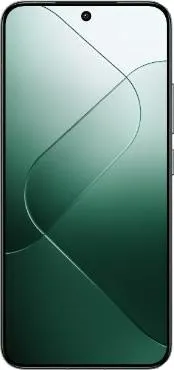
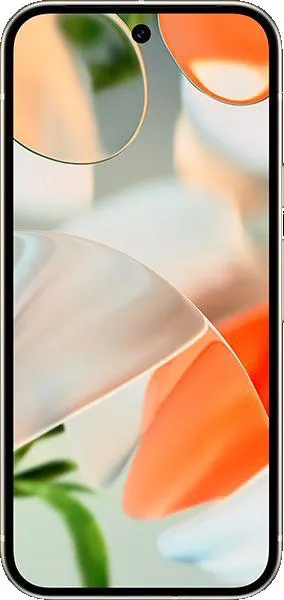
| Type | LTPO OLED, 120Hz, Dolby Vision, HDR10+ | OLED, 120Hz, HDR10+ | Xiaomi 14 boasts superior display technology with richer colors and power efficiency. | |||||
| Resolution | 1200 x 2670 | 1080 x 2424 | Xiaomi 14 significantly sharper (460 ppi vs 422 ppi), noticeable in text and images. | |||||
| Peak Brightness | 3000 nits | 2700 nits | Xiaomi 14 brighter outdoors, better visibility in direct sunlight. | Performance | ||||
| Chipset | Snapdragon 8 Gen 3 | Google Tensor G4 | Both are top-tier chips, but Snapdragon 8 Gen 3 expected to deliver superior raw performance. | |||||
| CPU | Octa-core (1x3.3 GHz Cortex-X4 & ...) | Octa-core (1x3.1 GHz Cortex-X4 & ...) | Similar core configurations, but clock speed advantage to Xiaomi 14. | |||||
| GPU | Adreno 750 | Mali-G715 MC7 | Adreno 750 generally considered more powerful for gaming and graphics-intensive tasks. | |||||
| RAM | 12GB | 12GB | Ample RAM for multitasking on both devices. | |||||
| Storage | 256GB/512GB | 256GB | Xiaomi 14 offers a 512GB option for power users needing extensive storage. | |||||
| Battery Life | ||||||||
| Capacity | 4610 mAh | 4700 mAh | Pixel 9 slightly larger battery, but real-world usage will depend on optimization. | |||||
| Software | Android 14 | Android 14 | Pixel likely to receive faster and longer OS and security updates. |
2. Key Insights
- Display: The Xiaomi 14's LTPO OLED display with higher resolution and peak brightness delivers a noticeably superior visual experience. Expect richer colors, deeper blacks, and better outdoor visibility.
- Performance: While both phones pack powerful processors, the Snapdragon 8 Gen 3 in the Xiaomi 14 is likely to edge out the Tensor G4 in benchmarks and demanding tasks like gaming. The Pixel 9's Tensor G4, however, might excel in AI-powered features and specific Google services.
- Battery: The Pixel 9 has a slightly larger battery, but the Xiaomi 14's more power-efficient LTPO display could potentially offset this difference. Real-world battery life will depend on individual usage patterns.
- Software: Google's commitment to rapid and long-term software updates gives the Pixel 9 a distinct advantage in terms of security and feature longevity. Xiaomi's update track record is less consistent.
3. User Profiles and Recommendations
- Xiaomi 14: Ideal for users prioritizing a premium visual experience, raw performance, and a lighter, more compact design. Gamers, multimedia enthusiasts, and those seeking the latest hardware will appreciate the Xiaomi 14.
- Google Pixel 9: Best suited for users who value a clean Android experience, timely software updates, and Google's AI-powered features. Photography enthusiasts may also prefer the Pixel for its computational photography prowess (camera details not provided in this comparison).
4. Buying Decision Framework
- Is display quality a top priority? If yes, the Xiaomi 14's superior screen is a compelling reason to choose it.
- How important are timely software updates and a pure Android experience? If these are crucial, the Pixel 9 is the clear winner.
- What is your budget and storage requirement? The Xiaomi 14's 512GB option caters to users needing ample storage, while both phones fall within a similar "medium" price range.
My Choice: Xiaomi 14
For me, the Xiaomi 14's exceptional display is the deciding factor. I highly value a sharp, vibrant screen for consuming media and playing games. The lighter weight and potentially superior performance of the Snapdragon 8 Gen 3 further solidify my choice. While I acknowledge the Pixel's strength in software updates, I'm willing to compromise in that area for the significant gains in display quality and overall hardware prowess offered by the Xiaomi 14. I also appreciate having the option for 512GB of storage.
