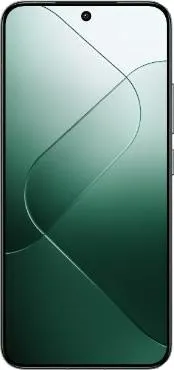
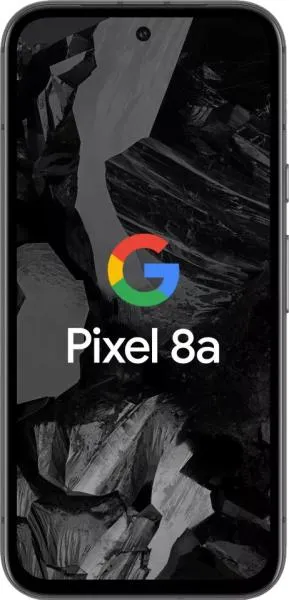
Xiaomi 14 vs. Google Pixel 8a: A Deep Dive
The smartphone landscape is constantly evolving, and choosing the right device can feel overwhelming. Today, we'll dissect the Xiaomi 14 and the Google Pixel 8a, two compelling mid-range contenders, to help you navigate this decision. Let's dive into the specifics:
1. Specifications Breakdown
| Feature | Xiaomi 14 | Google Pixel 8a | Real-World Implications |
|---|---|---|---|
| Design | |||
| Dimensions | 152.8 x 71.5 x 8.2 mm | 152.1 x 72.7 x 8.9 mm | Xiaomi 14 is slightly shorter and thinner. Pixel 8a is marginally narrower. Negligible difference in hand feel. |
| Weight | 188g | 188g | Identical weight; both should feel comfortable for extended use. |
| Display | |||
| Size | 6.36 inches | 6.1 inches | Xiaomi 14 offers a larger screen for more immersive media consumption. |
| Type | LTPO OLED | OLED | Both offer vibrant colors and deep blacks. Xiaomi's LTPO panel allows for dynamic refresh rate adjustment, potentially saving battery. |
| Resolution | 1200 x 2670 | 1080 x 2400 | Xiaomi 14 boasts a sharper display with higher pixel density (460 ppi vs. 430 ppi), resulting in crisper text and images. |
| Peak Brightness | 3000 nits | 2000 nits | Xiaomi 14 will be significantly brighter outdoors, ensuring excellent visibility in direct sunlight. |
| Refresh Rate | 120Hz | 120Hz | Both offer smooth scrolling and animations. |
| Performance | |||
| Chipset | Snapdragon 8 Gen 3 | Google Tensor G3 | Snapdragon 8 Gen 3 generally benchmarks higher in raw performance, potentially offering a smoother experience in demanding tasks and gaming. Tensor G3 excels in AI-powered features. |
| CPU | Octa-core (1x3.3 GHz Cortex-X4 & ...) | Nona-core (1x3.0 GHz Cortex-X3 & ...) | Both offer powerful multi-core performance, but the architectural differences might favor Snapdragon in sustained high-load scenarios. |
| GPU | Adreno 750 | Immortalis-G715s MC10 | Adreno 750 generally provides superior graphics performance, beneficial for gaming and graphically intensive applications. |
| RAM | 12GB | 8GB | Xiaomi 14 offers more RAM, enabling better multitasking and smoother performance with multiple apps open. |
| Storage | 256/512 GB | 256GB | Xiaomi offers a 512GB option for users needing extensive storage. |
| Battery Life | |||
| Capacity | 4610 mAh | 4492 mAh | Xiaomi 14 has a slightly larger battery. Real-world battery life will depend on usage patterns and software optimization. |
| Software | |||
| OS | Android 14 | Android 14 | Both launch with the latest Android version, but Pixel phones typically receive faster and longer software updates directly from Google. |
| Camera | |||
| Video Capabilities | Up to 8K@24fps | Up to 4K@60fps | Xiaomi 14 offers higher resolution video recording (8K). Both offer optical image stabilization (OIS/EIS) for smoother footage. Pixel typically excels in computational photography and image processing. |
2. Key Insights
- Performance Powerhouse: The Xiaomi 14, with its Snapdragon 8 Gen 3 and ample RAM, is geared towards users demanding top-tier performance for gaming, multitasking, and demanding applications.
- AI and Software Smarts: The Pixel 8a leverages the Tensor G3's AI capabilities for features like photo processing, voice recognition, and smart assistant functionalities. Its strength lies in seamless software integration and timely updates.
- Display Brilliance: The Xiaomi 14's brighter, sharper display makes it a winner for outdoor use and media consumption.
- Long-Term Software Support: Google's commitment to rapid and extended software updates makes the Pixel 8a a compelling choice for users who prioritize software longevity and security.
3. User Profiles and Recommendations
- Xiaomi 14: Power users, mobile gamers, and those prioritizing a vibrant display and top-tier performance.
- Pixel 8a: Users who value a clean Android experience, timely software updates, AI-powered features, and excellent camera performance (though specs weren't fully detailed here).
4. Buying Decision Framework
- What are your performance needs? Heavy gamer or multitasker? Lean towards Xiaomi 14. Prioritize smooth everyday performance and AI features? The Pixel 8a might suffice.
- How important is display quality? If outdoor visibility and media consumption are paramount, the Xiaomi 14's superior display is a significant advantage.
- How much do you value software updates? If you want the latest Android features and security patches quickly and for an extended period, the Pixel 8a is the clear winner.
My Choice: The Xiaomi 14
While I deeply appreciate the clean software experience and long-term support of the Pixel line, I would choose the Xiaomi 14. As a tech enthusiast, the allure of the Snapdragon 8 Gen 3's raw power and the stunning display is hard to resist. The brighter, sharper screen significantly enhances my daily interactions, from browsing to gaming to watching videos. The extra RAM ensures a future-proof, lag-free experience, which is crucial for my workflow. While I acknowledge the Pixel's strengths in AI and software, the Xiaomi 14's performance and display advantages better align with my personal needs and priorities. The potential trade-off in update speed is acceptable given the significant gains in other areas.
