1. Specifications Comparison
| Feature | Xiaomi 14 | Apple iPhone 16 Pro Max | Practical Impact |
|---|---|---|---|
| Design | |||
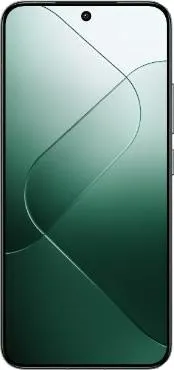
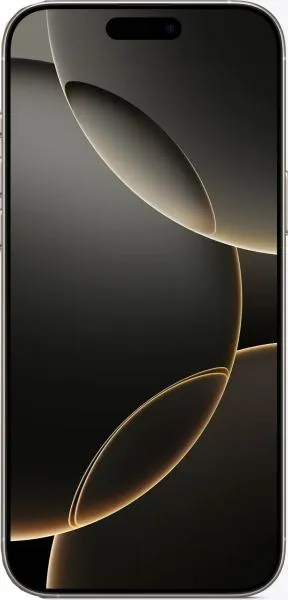
| Dimensions | 152.8 x 71.5 x 8.2 mm | 163 x 77.6 x 8.3 mm | iPhone 16 Pro Max is noticeably larger and potentially less comfortable for one-handed use. |
| Weight | 188g | 227g | Xiaomi 14 is significantly lighter, reducing hand fatigue during extended use. |
| Display | |||
| Size | 6.36" | 6.9" | iPhone offers a larger screen for more immersive content consumption. |
| Type | LTPO OLED | LTPO Super Retina XDR OLED | Both offer excellent color accuracy and power efficiency. Marketing terms like "Super Retina XDR" don't necessarily translate to a noticeably superior visual experience. |
| Resolution | 1200 x 2670 | 1320 x 2868 | Similar pixel density (~460 ppi) results in comparable sharpness. |
| Peak Brightness | 3000 nits | 2000 nits (HBM) | Xiaomi 14 boasts higher peak brightness, improving outdoor visibility. |
| Refresh Rate | 120Hz | 120Hz | Both offer smooth scrolling and animations. |
| Performance | |||
| Chipset | Snapdragon 8 Gen 3 | Apple A18 Pro | Both are flagship chipsets promising top-tier performance. Cross-platform comparisons are difficult without benchmark scores. |
| CPU | Octa-core | Hexa-core | Core count doesn't directly translate to performance. Real-world performance depends on architecture and optimization. |
| GPU | Adreno 750 | Apple GPU (6-core) | Gaming and graphics-intensive tasks should perform well on both. Specific benchmarks are needed for accurate comparison. |
| RAM | 12GB | 8GB | While Xiaomi has more RAM, iOS's memory management may offset this difference in real-world usage. |
| Storage | 256/512GB | 512GB/1TB | iPhone offers a higher maximum storage option. |
| Battery | |||
| Capacity | 4610 mAh | 4685 mAh | Marginally different battery capacities; real-world battery life depends on software optimization and usage patterns. |
| Camera | |||
| Video Capabilities | Up to 8K@24fps, 720p@1920fps | Up to 4K@120fps | Xiaomi offers higher resolution video recording (8K) and extreme slow-motion (1920fps). iPhone offers up to 4K at a higher frame rate. The practical benefit of 8K recording is debatable without considering display devices and storage space. |
| Specific sensor details missing for both | Cannot compare image quality and camera features without detailed sensor specifications. | ||
| Software | |||
| OS | Android 14 | iOS 18 | OS preference is subjective. Android offers more customization, while iOS is known for its simplicity and tight ecosystem. |
2. Key Differences Analysis
Xiaomi 14 Advantages:
- Brighter Display: Significantly higher peak brightness enhances outdoor readability.
- Lighter and More Compact: Easier to handle and carry.
- Potentially Higher Video Resolution and Frame Rates: Offers 8K recording and extreme slow-motion.
- Lower Price Range: Offers flagship specifications at a potentially lower cost.
iPhone 16 Pro Max Advantages:
- Larger Display: Provides a more immersive viewing experience.
- Larger Storage Option: 1TB option caters to users with high storage demands.
- Apple Ecosystem: Seamless integration with other Apple devices.
Trade-offs:
- Size and Weight: Xiaomi prioritizes portability, while iPhone prioritizes screen real estate.
- Price: Xiaomi offers better value for money, but iPhone may offer a longer software support lifecycle and potentially better resale value.
3. User Profiles & Recommendations
Xiaomi 14: Users seeking a powerful, compact, and affordable flagship smartphone with a bright display. Ideal for users who prioritize one-handed use, portability, and value.
iPhone 16 Pro Max: Users prioritizing a large, immersive display, seamless integration with the Apple ecosystem, and ample storage. Suitable for power users, content creators, and those who value a premium experience.
4. Decision Framework
Key Questions:
- What is your budget? The Xiaomi 14 offers compelling value in the medium price range, while the iPhone 16 Pro Max commands a premium price.
- Do you prioritize portability or screen size? The Xiaomi 14 is significantly lighter and smaller, while the iPhone 16 Pro Max boasts a larger display.
- Which operating system do you prefer? Android offers customization and flexibility, while iOS provides a simpler, more integrated experience.
Scenario-Based Recommendations:
- Budget-conscious user seeking a powerful phone: Xiaomi 14.
- Power user needing a large screen and ample storage within the Apple ecosystem: iPhone 16 Pro Max.
My Choice: Xiaomi 14
While the iPhone 16 Pro Max boasts a larger screen and storage, the Xiaomi 14 offers a compelling combination of performance, features, and affordability. The significantly brighter display, lighter weight, and smaller form factor are major advantages for my daily use. I prioritize portability and value, and the Xiaomi 14 seems to deliver on both fronts without compromising on essential flagship features. The potential for higher video resolution and frame rates is a bonus, although I acknowledge the need for real-world testing to confirm practical benefits. Finally, while iOS has its merits, I prefer the customization and flexibility offered by Android. The lower price range of the Xiaomi 14 allows for more budget allocation towards other gadgets or experiences.
