1. Specifications Comparison
| Feature | Xiaomi 14 | Apple iPhone 16 Plus | Practical Impact |
|---|---|---|---|
| Design | |||
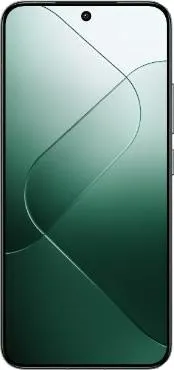
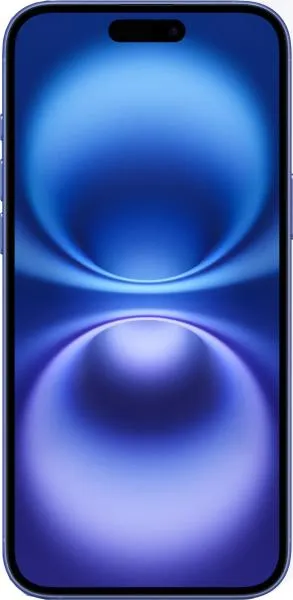
| Dimensions | 152.8 x 71.5 x 8.2 mm | 160.9 x 77.8 x 7.8 mm | iPhone 16 Plus is noticeably larger and slightly thinner. Xiaomi 14 might be more comfortable for one-handed use. |
| Weight | 188g | 199g | Xiaomi 14 is lighter, reducing hand fatigue during extended use. |
| Build Materials | Not specified | Not specified | Cannot compare build quality and durability without material information. |
| Display | |||
| Size | 6.36" | 6.7" | iPhone 16 Plus offers a larger screen for more immersive media consumption. |
| Type | LTPO OLED | Super Retina XDR OLED | Both are high-quality displays; LTPO on Xiaomi 14 allows for dynamic refresh rate adjustment, potentially saving battery. |
| Resolution | 1200 x 2670 | 1290 x 2796 | Similar pixel density (~460 ppi), resulting in sharp visuals on both. |
| Refresh Rate | 120Hz | Not specified | 120Hz on Xiaomi 14 provides smoother scrolling and animations. Unknown if iPhone 16 Plus supports high refresh rate. |
| Peak Brightness | 3000 nits | 2000 nits (HBM) | Xiaomi 14's higher peak brightness ensures better visibility in direct sunlight. |
| Performance | |||
| Chipset | Snapdragon 8 Gen 3 (4nm) | Apple A18 (3nm) | Both are flagship chipsets, expected to deliver top-tier performance. A18's 3nm process might offer slightly better power efficiency. |
| CPU | Octa-core | Hexa-core | Core count difference doesn't directly translate to performance; real-world usage will depend on optimization. |
| GPU | Adreno 750 | Apple GPU (5-core) | Both GPUs should handle demanding games and tasks. Cross-platform comparisons are difficult without benchmarks. |
| RAM | 12GB | 8GB | Xiaomi 14's larger RAM could provide better multitasking performance, keeping more apps open in the background. |
| Storage | 256/512GB | 256/512GB | Comparable storage options. |
| Battery | |||
| Capacity | 4610 mAh | 4674 mAh | Very similar battery capacities; real-world battery life will depend on software optimization and usage patterns. |
| Camera | |||
| Video Capabilities | Up to 8K@24fps, 960fps slow-mo | Up to 4K@60fps, 240fps slow-mo | Xiaomi 14 offers higher resolution video recording (8K) and higher frame rate slow-motion. |
| Specific Sensor Details | Not specified for either phone | Cannot compare image quality and camera features without sensor specifications (size, aperture, etc.). |
2. Key Differences Analysis
Xiaomi 14 Advantages:
- Higher Peak Brightness: Superior outdoor visibility.
- Faster Refresh Rate (120Hz): Smoother animations and scrolling.
- Higher Resolution Video Recording (8K) and Slow Motion: More detailed videos and creative possibilities.
- Potentially Longer Battery Life: LTPO display technology allows for dynamic refresh rate adjustment.
iPhone 16 Plus Advantages:
- Larger Display: More immersive media experience.
- Potentially More Power Efficient Chip: Apple's A18 on a 3nm process may offer better battery life per mAh.
- iOS Ecosystem: Seamless integration with other Apple devices.
3. User Profiles & Recommendations
Xiaomi 14: Users who prioritize a bright display, smooth performance, high-resolution video recording, and potentially longer battery life. Suitable for mobile gaming, content creation, and outdoor use.
iPhone 16 Plus: Users invested in the Apple ecosystem who prefer a larger screen for media consumption and value ease of use and potential power efficiency.
4. Decision Framework
Key Questions:
- What screen size do you prefer? Larger screen (iPhone 16 Plus) vs. more pocketable (Xiaomi 14).
- Which operating system do you prefer? Android (Xiaomi 14) vs. iOS (iPhone 16 Plus).
- What is your budget? Considering both phones are in the "medium price range," specific pricing will heavily influence the decision.
My Choice:
I would choose the Xiaomi 14. While the iPhone 16 Plus has a larger display and is likely very power efficient, the Xiaomi 14 offers a compelling combination of features that better suit my needs. The 120Hz display, higher peak brightness for outdoor use, and superior video recording capabilities are significant advantages. While I acknowledge the potential power efficiency of the A18 chip, the Xiaomi 14's larger RAM and LTPO display should provide comparable real-world battery life. Ultimately, the Xiaomi 14 offers a more versatile and feature-rich experience for my usage patterns. However, if I were already heavily invested in the Apple ecosystem, my decision might lean towards the iPhone 16 Plus.
