1. Specifications Comparison
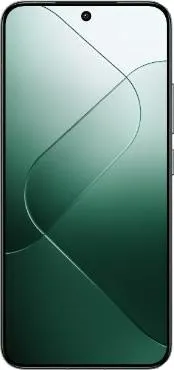
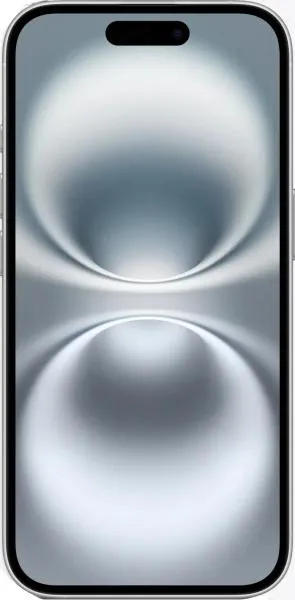
| Feature | Xiaomi 14 | Apple iPhone 16 | Practical Impact |
|---|---|---|---|
| Design | |||
| Dimensions | 152.8 x 71.5 x 8.2 mm | 147.6 x 71.6 x 7.8 mm | iPhone 16 is slightly smaller and thinner, potentially more pocketable. |
| Weight | 188g | 170g | iPhone 16 is noticeably lighter, reducing hand fatigue during extended use. |
| Build Materials | Not specified | Not specified | Cannot compare build quality and durability without material information. |
| Display | |||
| Size | 6.36" | 6.1" | Xiaomi 14 offers a larger screen for more immersive media consumption. |
| Type | LTPO OLED | Super Retina XDR OLED | Both are high-quality OLED displays with excellent color accuracy and contrast. LTPO allows for dynamic refresh rate adjustment on the Xiaomi 14, potentially saving battery. |
| Resolution | 1200 x 2670 | 1179 x 2556 | Similar pixel density (~460 ppi) resulting in sharp visuals on both. Xiaomi 14's slightly higher resolution might offer marginally sharper text. |
| Refresh Rate | 120Hz | Not specified | Xiaomi 14's 120Hz refresh rate delivers smoother scrolling and animations. Unknown refresh rate on iPhone 16 limits comparison. |
| Peak Brightness | 3000 nits | 2000 nits (HBM) | Xiaomi 14's significantly higher peak brightness ensures better visibility in direct sunlight. |
| Performance | |||
| Chipset | Snapdragon 8 Gen 3 (4nm) | Apple A18 (3nm) | Both are flagship chipsets promising top-tier performance. A18's 3nm process might offer better power efficiency. |
| CPU | Octa-core (1x3.3 GHz Cortex-X4 & 3x3.2 GHz Cortex-A720 & 2x3.0 GHz Cortex-A720 & 2x2.3 GHz Cortex-A520) | Hexa-core (2x4.04 GHz + 4x2.20 GHz) | Core configurations differ, but both should handle demanding tasks with ease. Real-world performance depends on optimization. |
| GPU | Adreno 750 | Apple GPU (5-core graphics) | Both are powerful GPUs. Cross-platform comparisons are difficult without benchmarks. |
| RAM | 12GB | 8GB | Xiaomi 14 offers more RAM, potentially improving multitasking and app switching performance. |
| Storage | 256/512 GB | 256/512 GB | Similar storage options cater to various user needs. |
| Battery | |||
| Capacity | 4610 mAh | 3561 mAh | Xiaomi 14 has a significantly larger battery, likely resulting in longer battery life. |
| Other | |||
| OS | Android 14 | iOS 18 | Different operating systems cater to different user preferences and ecosystems. |
| Charging Speed | Not specified | Not specified | Cannot compare charging speeds without specific data. |
2. Key Differences Analysis
Xiaomi 14 Advantages:
- Larger Battery: Significantly larger battery capacity suggests longer usage time.
- Higher Peak Brightness: Superior visibility in bright sunlight.
- 120Hz Refresh Rate: Smoother scrolling and animations.
- Larger Display: More immersive media consumption experience.
- More RAM: Potentially better multitasking performance.
iPhone 16 Advantages:
- Lighter and More Compact: Easier to handle and carry.
- Potentially More Power Efficient Chipset: A18's 3nm process node might translate to longer battery life despite smaller battery capacity.
- iOS Ecosystem: Benefits from Apple's tightly integrated ecosystem.
3. User Profiles & Recommendations
Xiaomi 14: Ideal for users who prioritize battery life, a large and bright display, and smooth performance. Heavy multimedia consumers, gamers, and power users would benefit from its features.
iPhone 16: Suitable for users who prefer a compact and lightweight phone within the Apple ecosystem. Users who value simplicity, seamless integration with other Apple devices, and a premium feel would appreciate the iPhone 16.
4. Decision Framework
Key Questions for Buyers:
- Operating System Preference: Android or iOS?
- Battery Life vs. Portability: Prioritize long battery life or a smaller, lighter phone?
- Display Size and Brightness: Prefer a larger, brighter screen or a more compact display?
My Choice: Xiaomi 14
While the iPhone 16 likely offers a refined user experience within the Apple ecosystem and a more compact design, the Xiaomi 14's significantly larger battery, brighter display, and confirmed 120Hz refresh rate are compelling advantages for me. I prioritize battery life and a smooth, immersive visual experience. The extra RAM on the Xiaomi 14 is also a plus for multitasking. While the A18 might be more power-efficient, the sheer difference in battery capacity likely gives the Xiaomi 14 a significant edge in real-world usage. The lack of specific refresh rate information for the iPhone 16 is a crucial omission, making a definitive judgement difficult. However, based on the available data, the Xiaomi 14 appears to offer a better value proposition for my personal needs and priorities.
