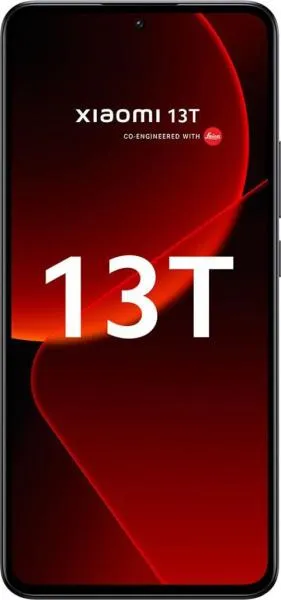

1. Specifications Comparison
| Feature | Xiaomi 13T | Xiaomi 14 | Practical Impact |
|---|---|---|---|
| Design | |||
| Dimensions | 162.2 x 75.7 x 8.5 mm | 152.8 x 71.5 x 8.2 mm | Xiaomi 14 is noticeably smaller and slightly thinner, making it more pocketable and easier to handle one-handed. |
| Weight | 193g | 188g | The weight difference is minimal, but the Xiaomi 14 feels slightly lighter in hand. |
| Display | |||
| Size | 6.67" | 6.36" | Xiaomi 13T offers a larger screen for more immersive media consumption and multitasking, while Xiaomi 14 prioritizes one-handed usability. |
| Type | AMOLED, 144Hz | LTPO OLED, 120Hz | Both offer vibrant colors and deep blacks. The 144Hz refresh rate on the 13T provides smoother animations and scrolling, though 120Hz is also very smooth. LTPO on the 14 allows for dynamic refresh rate adjustment, saving battery. |
| Peak Brightness | 2600 nits | 3000 nits | Xiaomi 14 can get slightly brighter, improving outdoor visibility in direct sunlight. |
| Resolution | 1220 x 2712 | 1200 x 2670 | Xiaomi 13T has a slightly higher resolution, resulting in a marginally sharper image. However, the difference is negligible in real-world use. |
| Performance | |||
| Chipset | Mediatek Dimensity 8200 Ultra | Snapdragon 8 Gen 3 | Snapdragon 8 Gen 3 generally offers better peak performance and GPU capabilities, benefiting demanding tasks like gaming and video editing. |
| CPU | Octa-core (1x3.1 GHz A78 & 3x3.0 GHz A78 & 4x2.0 GHz A55) | Octa-core (1x3.3 GHz X4 & 3x3.2 GHz A720 & 2x3.0 GHz A720 & 2x2.3 GHz A520) | The Snapdragon 8 Gen 3 in the Xiaomi 14 boasts a more powerful core architecture, translating to faster processing speeds. |
| GPU | Mali-G610 MC6 | Adreno 750 | Adreno 750 provides superior graphics performance compared to the Mali-G610 MC6, leading to smoother gaming and faster rendering times. |
| RAM | 12GB | 12GB | Both phones offer ample RAM for smooth multitasking. |
| Battery | |||
| Capacity | 5000 mAh | 4610 mAh | Xiaomi 13T has a significantly larger battery, potentially offering longer battery life. |
| Camera | |||
| Video Capabilities | Up to 4K@30fps | Up to 8K@24fps and slow-mo up to 720p@1920fps | Xiaomi 14 offers significantly more advanced video recording capabilities including 8K resolution and extreme slow-motion. Missing detailed camera sensor specs limit in-depth comparison. |
2. Key Differences Analysis
Xiaomi 13T Advantages:
- Larger display for immersive content.
- Higher refresh rate for smoother scrolling and animations.
- Significantly larger battery capacity for extended usage.
- Potentially more affordable.
Xiaomi 14 Advantages:
- More compact and easier to handle.
- More powerful Snapdragon 8 Gen 3 processor.
- Superior GPU for gaming and demanding tasks.
- More advanced video recording capabilities.
- Newer Android version (14 vs 13).
3. User Profiles & Recommendations
Xiaomi 13T: Ideal for users who prioritize:
- Media consumption (movies, games)
- All-day battery life
- Smooth display performance
- Value for money
Xiaomi 14: Ideal for users who prioritize:
- Compact size and one-handed usability
- Top-tier performance for demanding tasks and gaming
- Cutting-edge video recording features
- Latest software
4. Decision Framework
Key Questions:
- What screen size do you prefer? Larger screen for media consumption or smaller for one-handed use?
- How important is battery life? Longer battery life vs. slightly better performance?
- What is your budget? Xiaomi 13T likely offers better value for its price, while Xiaomi 14 commands a premium for its flagship features.
My Choice: Xiaomi 14
While the Xiaomi 13T offers a compelling package with its large battery and display, I would choose the Xiaomi 14. The Snapdragon 8 Gen 3's superior performance, especially the GPU, combined with the more compact form factor and advanced video recording capabilities, are decisive factors for me. I prioritize performance and portability, and I am willing to compromise slightly on battery life for those benefits. The newer Android version also provides a longer software support lifespan. While the price difference might be significant, the Xiaomi 14 offers a more future-proof and premium experience that aligns with my needs.
