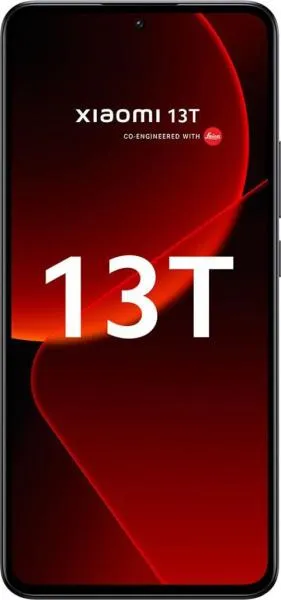
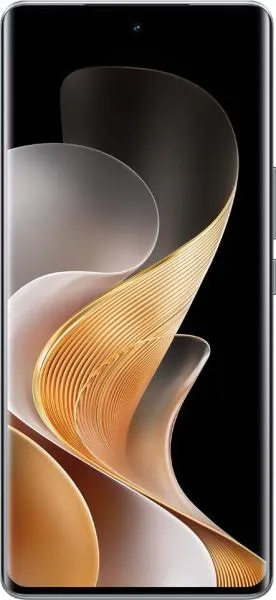
1. Specifications Comparison
| Feature | Xiaomi 13T | vivo V40 | Practical Impact |
|---|---|---|---|
| Design | |||
| Dimensions | 162.2x75.7x8.5mm | 164.2x75x7.6mm | The vivo V40 is slightly taller and thinner. The Xiaomi 13T is marginally wider but noticeably thicker. These differences are minor and unlikely to significantly impact daily handling. |
| Weight | 193g | 190g | The vivo V40 is slightly lighter, but the difference (3g) is negligible in real-world usage. |
| Display | |||
| Size | 6.67" | 6.78" | The vivo V40 has a slightly larger display, providing a marginally more immersive viewing experience. |
| Type | AMOLED, 144Hz | AMOLED, 120Hz | Both offer vibrant colors and deep blacks. The Xiaomi 13T's higher refresh rate (144Hz) will result in smoother animations and scrolling compared to the vivo V40's 120Hz. |
| Resolution | 1220x2712 | 1260x2800 | Both offer sharp displays. The vivo V40 has a slightly higher resolution, but the difference is minimal in terms of perceived sharpness. |
| Peak Brightness | 2600 nits | 4500 nits | The vivo V40 boasts significantly higher peak brightness, ensuring better visibility in direct sunlight. |
| Performance | |||
| Chipset | Dimensity 8200 Ultra | Snapdragon 7 Gen 3 | The Dimensity 8200 Ultra is generally considered a more powerful chipset, potentially offering better gaming performance and faster app loading times. Real-world benchmarks are needed for confirmation. |
| CPU | Octa-core (1x3.1 GHz...) | Octa-core (1x2.63 GHz...) | The Xiaomi 13T's CPU configuration suggests a potential advantage in demanding tasks. However, practical performance depends on optimization and real-world testing. |
| GPU | Mali-G610 MC6 | Adreno 720 | Gaming performance differences will depend on specific game optimization. Adreno GPUs generally have better driver support for certain games. |
| RAM | 12GB | 12GB | Both phones offer ample RAM for multitasking and smooth performance. |
| Storage | 256GB | 512GB | The vivo V40 offers double the storage, beneficial for users who store lots of media or apps. |
| Battery | |||
| Capacity | 5000 mAh | 5500 mAh | The vivo V40 has a larger battery, potentially offering longer battery life. Real-world usage will vary. |
2. Key Differences Analysis
Xiaomi 13T Advantages:
- Higher Refresh Rate Display: Smoother scrolling and animations.
- Potentially More Powerful Chipset: Better for demanding tasks and gaming (needs benchmarking confirmation).
vivo V40 Advantages:
- Brighter Display: Superior outdoor visibility.
- Larger Battery: Potentially longer battery life.
- More Storage: Accommodates more apps and media.
- More Recent OS: Android 14 may offer newer features and longer support. We don't know how long the Xiaomi 13T will receive OS updates.
3. User Profiles & Recommendations
Xiaomi 13T: Users prioritizing smooth display performance and potentially higher processing power for gaming or demanding applications.
vivo V40: Users prioritizing battery life, bright outdoor visibility, ample storage, and the latest Android features.
4. Decision Framework
Key Questions:
- Is display smoothness or brightness more important?
- How important is raw processing power vs. battery life and storage?
- What is your budget and how important is the latest Android OS?
My Choice: vivo V40
While the Xiaomi 13T boasts a faster refresh rate and potentially a more powerful processor, the vivo V40's combination of a brighter display, larger battery, double the storage, and a more recent OS (Android 14) make it a more compelling overall package for my needs. I prioritize battery life, outdoor visibility, and having ample storage for my photos and videos. The slightly larger screen is a bonus. Although the Xiaomi might offer a slight edge in gaming, I value the everyday practical advantages of the vivo V40 more. I also value having the latest Android version for security updates and new features. Without knowing the Xiaomi 13T's update policy, I lean towards the phone with a newer OS at launch.
