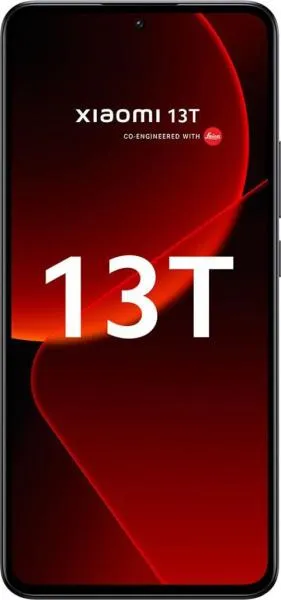
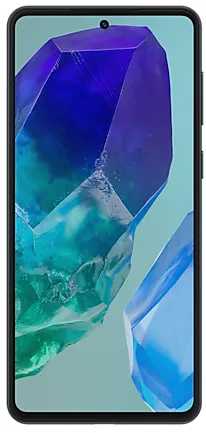
1. Specifications Comparison
| Feature | Xiaomi 13T | Samsung Galaxy M55 | Practical Impact |
|---|---|---|---|
| Design | |||
| Dimensions | 162.2 x 75.7 x 8.5 mm | 163.9 x 76.5 x 7.8 mm | Xiaomi 13T is slightly shorter and narrower, but a tad thicker. Negligible difference in real-world usage. |
| Weight | 193g | 180g | Samsung Galaxy M55 is noticeably lighter, improving one-handed use and reducing pocket bulk. |
| Display | |||
| Size | 6.67" | 6.7" | Virtually identical screen sizes. |
| Type | AMOLED, 144Hz | Super AMOLED+, 120Hz | Both offer vibrant colors and deep blacks. The 144Hz refresh rate on the Xiaomi 13T provides smoother animations and scrolling compared to 120Hz on the M55, especially noticeable in gaming. |
| Resolution | 1220 x 2712 | 1080 x 2400 | Xiaomi 13T has a significantly sharper display (446 ppi vs 393 ppi), resulting in crisper text and images. |
| Peak Brightness | 2600 nits | 1000 nits (stated), Null (actual peak is missing) | Xiaomi 13T offers far superior brightness, ensuring excellent outdoor visibility even in direct sunlight. Missing "peak brightness" for the M55 limits a full comparison. |
| Performance | |||
| Chipset | Mediatek Dimensity 8200 Ultra | Snapdragon 7 Gen 1 | Dimensity 8200 Ultra generally benchmarks higher, offering potentially smoother multitasking and better gaming performance. |
| CPU | Octa-core (1x3.1 GHz A78 & 3x3.0 GHz A78 & 4x2.0 GHz A55) | Octa-core (1x2.4 GHz A710 & 3x2.36 GHz A710 & 4x1.8 GHz A510) | Xiaomi 13T's CPU configuration suggests a performance advantage in demanding tasks. |
| RAM | 12GB | 8GB | More RAM in the Xiaomi 13T enables better multitasking and smoother performance with multiple apps open. |
| Camera | |||
| Video Capabilities | 4K@30fps (HDR, EIS), up to 1080p@120fps (HDR,EIS) | 4K@30fps (OIS, EIS), up to 1080p@60fps (OIS,EIS) | Both offer 4K recording. Xiaomi offers higher frame rate slow-motion at 1080p (120fps vs 60fps). Samsung features OIS (optical image stabilization) for potentially smoother video recording in all resolutions. Specific sensor details and image quality are unknown, limiting a complete camera comparison. |
| Battery | |||
| Capacity | 5000 mAh | 5000 mAh | Identical battery capacities suggest similar battery life, though actual usage will depend on other factors. |
2. Key Differences Analysis
Xiaomi 13T Advantages:
- Superior Display: Higher resolution, refresh rate, and peak brightness deliver a noticeably better visual experience.
- More Powerful Performance: The Dimensity 8200 Ultra and 12GB RAM provide a significant performance advantage for demanding tasks and gaming.
- Higher Slow-Motion Frame Rate 120fps slow motion capture at 1080p.
Samsung Galaxy M55 Advantages:
- Lighter Weight: Noticeably lighter, enhancing portability and one-handed use.
- Optical Image Stabilization (OIS): Potentially smoother video recording.
- Newer Base Android Version: Ships with Android 14, potentially offering newer features and longer software support (although Xiaomi likely has a longer update roadmap).
Trade-offs:
- Performance vs. Weight: The Xiaomi 13T prioritizes performance at the cost of slightly increased weight. The M55 offers a lighter design but with less powerful hardware.
3. User Profiles & Recommendations
Xiaomi 13T: Ideal for users who prioritize performance, a smooth and vibrant display, and value high slow-motion frame rates. Suitable for gamers, power users, and content consumers.
Samsung Galaxy M55: Best suited for users who prioritize a lightweight and portable device, potentially value OIS for video recording and prefer the latest base Android version. Suitable for casual users, social media enthusiasts, and those who value comfortable one-handed use.
4. Decision Framework
Key Questions for Buyers:
- Is top-tier performance and a premium display crucial? If yes, the Xiaomi 13T is the better choice.
- Is portability and comfortable one-handed use a top priority? If yes, the Samsung Galaxy M55's lighter weight might be more appealing.
- How important is having the newest Android features vs longer-term updates? Android 14 on the M55 has some advantages, but Xiaomi likely has a longer overall update commitment.
My Choice: Xiaomi 13T
While the Samsung Galaxy M55 offers a lighter design and potentially more stable video recording thanks to OIS, the Xiaomi 13T's significant advantages in display quality and performance are decisive for me. The sharper, smoother, and brighter display significantly enhances daily usage, and the more powerful hardware ensures a smoother user experience for demanding tasks and gaming. The difference in weight is relatively minor, and I prioritize the superior visual and performance capabilities of the Xiaomi 13T. Furthermore, while the M55 launches with Android 14, Xiaomi has a proven track record of providing longer software support for its devices.
