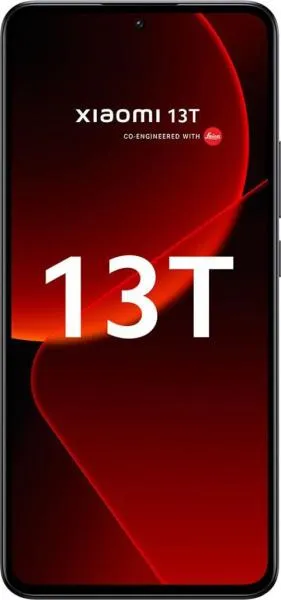

1. Specifications Comparison
| Feature | Xiaomi 13T | OnePlus 12R | Practical Impact |
|---|---|---|---|
| Design | |||
| Dimensions (mm) | 162.2 x 75.7 x 8.5 | 163.3 x 75.3 x 8.8 | OnePlus 12R is slightly larger and thicker. |
| Weight (g) | 193 | 207 | Xiaomi 13T is noticeably lighter, improving one-handed use. |
| Display | |||
| Size (inches) | 6.67 | 6.78 | OnePlus 12R offers slightly more screen real estate. |
| Type | AMOLED, 144Hz | LTPO4 AMOLED, 120Hz | Both are high-quality; LTPO4 on the 12R allows for more granular refresh rate control, potentially saving battery. 144Hz on the 13T offers smoother animations and scrolling. |
| Resolution | 1220 x 2712 | 1264 x 2780 | Both are sharp; 12R has a slightly higher pixel density. |
| Peak Brightness (nits) | 2600 | 4500 | 12R offers significantly higher peak brightness, improving outdoor visibility. |
| Performance | |||
| Chipset | Mediatek Dimensity 8200 Ultra | Qualcomm Snapdragon 8 Gen 2 | Snapdragon 8 Gen 2 generally offers better performance, especially in demanding tasks and gaming. |
| CPU | Octa-core (1x3.1 GHz Cortex-A78 & 3x3.0 GHz Cortex-A78 & 4x2.0 GHz Cortex-A55) | Octa-core (1x3.2 GHz Cortex-X3 & 2x2.8 GHz Cortex-A715 & 2x2.8 GHz Cortex-A710 & 3x2.0 GHz Cortex-A510) | Snapdragon 8 Gen 2's more modern architecture should provide a performance advantage. |
| GPU | Mali-G610 MC6 | Adreno 740 | Adreno 740 offers superior graphics performance for gaming and graphically intensive applications. |
| RAM | 12GB | 16GB | More RAM in the 12R allows for better multitasking and smoother performance with many apps open. |
| Battery | |||
| Capacity (mAh) | 5000 | 5500 | 12R has a larger battery, potentially leading to longer battery life. |
| Camera | |||
| Video Capabilities | 4K@30fps (HDR, EIS), 1080p up to 120fps | 4K@60fps (OIS, EIS), 1080p up to 240fps | 12R offers more advanced video features, including 4K@60fps and higher slow-motion recording. The addition of OIS suggests potentially better video stabilization. |
| Software | |||
| OS | Android 13 | Android 14 | 12R ships with a newer Android version, offering potential feature and security advantages. |
2. Key Differences Analysis
Xiaomi 13T Advantages:
- Lighter and More Compact: Noticeably lighter, making it more comfortable for extended use.
- Higher Refresh Rate Display: 144Hz offers incredibly smooth scrolling and animations, beneficial for gaming and general use.
- Potentially More Affordable: While pricing wasn't provided, historically Xiaomi devices offer competitive pricing.
OnePlus 12R Advantages:
- More Powerful Processor and GPU: Snapdragon 8 Gen 2 provides a significant performance advantage for demanding tasks and gaming.
- Larger Battery: 5500mAh battery likely translates to longer battery life.
- Brighter Display: Significantly brighter display improves outdoor visibility.
- More RAM: 16GB RAM enables superior multitasking.
- More Advanced Video Recording: Offers 4K@60fps and higher slow-motion capabilities.
- Newer Android Version: Ships with Android 14, offering the latest features and security updates.
3. User Profiles & Recommendations
Xiaomi 13T: Users prioritizing a lightweight, comfortable phone with a smooth display for everyday tasks, casual gaming, and media consumption. Price-sensitive users looking for a well-rounded device.
OnePlus 12R: Power users, gamers, and content creators who demand top-tier performance, a long-lasting battery, and advanced camera features. Users who prioritize having the latest software and features.
4. Decision Framework
Key Questions for Buyers:
- What is your budget? While both are mid-range, the 12R might be slightly more expensive.
- What are your primary use cases? Gaming, content creation, or everyday tasks?
- Do you prioritize portability and comfort or performance and battery life?
Scenario-Based Recommendations:
- Gamer: OnePlus 12R for its superior performance and larger battery.
- Casual User: Xiaomi 13T for its lighter weight, smooth display, and potential affordability.
- Content Creator: OnePlus 12R for its powerful chipset, advanced video features, and brighter display.
My Choice: OnePlus 12R
While the Xiaomi 13T offers a compelling combination of features, particularly its lighter weight and higher refresh rate display, the OnePlus 12R's superior performance, larger battery, brighter display, more RAM, and more advanced video capabilities make it the stronger overall device for my needs. The Snapdragon 8 Gen 2 is a significant performance leap that would provide a noticeably better experience for demanding tasks and future-proofing. The extra RAM is also crucial for smooth multitasking, which is important to me. While I appreciate the lighter weight of the 13T, the benefits of the 12R outweigh this advantage. The newer Android version also ensures longer software support and access to the latest features.
