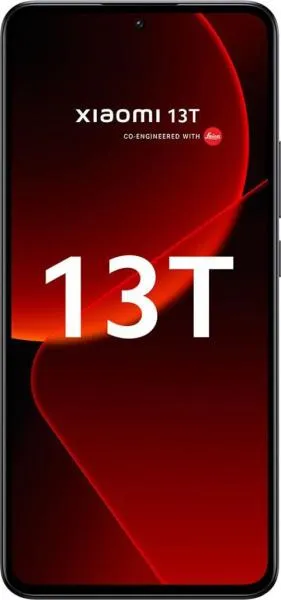
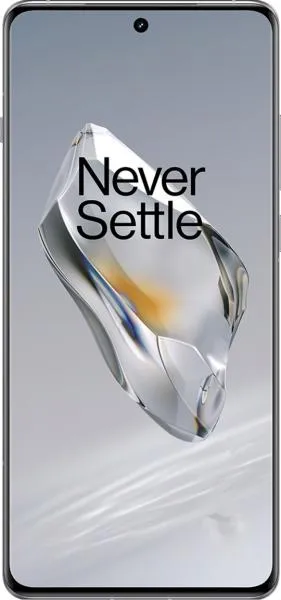
1. Specifications Comparison
| Feature | Xiaomi 13T | OnePlus 12 | Practical Impact |
|---|---|---|---|
| Design | |||
| Dimensions | 162.2 x 75.7 x 8.5 mm | 164.3 x 75.8 x 9.2 mm | OnePlus 12 is slightly larger and thicker. May impact one-handed usability. |
| Weight | 193g | 220g | Noticeable weight difference; Xiaomi 13T will feel significantly lighter in hand. |
| Display | |||
| Size | 6.67" | 6.82" | OnePlus 12 offers a slightly larger screen for more immersive media consumption. |
| Type | AMOLED, 144Hz | LTPO AMOLED, 120Hz | Both offer excellent displays. Xiaomi 13T's 144Hz may provide smoother scrolling and gaming, while OnePlus 12's LTPO panel allows for more granular refresh rate control, potentially saving battery. |
| Resolution | 1220 x 2712 | 1440 x 3168 | OnePlus 12 has a sharper display due to higher resolution. Difference may be noticeable in text clarity and image detail. |
| Peak Brightness | 2600 nits | 4500 nits | OnePlus 12 significantly brighter, ensuring better visibility in direct sunlight. |
| Performance | |||
| Chipset | Mediatek Dimensity 8200 Ultra | Qualcomm Snapdragon 8 Gen 3 | Snapdragon 8 Gen 3 generally considered more powerful, likely resulting in better performance in demanding tasks and gaming. |
| CPU | Octa-core (1x3.1 GHz Cortex-A78 & 3x3.0 GHz Cortex-A78 & 4x2.0 GHz Cortex-A55) | Octa-core (1x3.3 GHz Cortex-X4 & 3x3.2 GHz Cortex-A720 & 2x3.0 GHz Cortex-A720 & 2x2.3 GHz Cortex-A520) | Snapdragon 8 Gen 3's newer architecture should provide a performance advantage. |
| GPU | Mali-G610 MC6 | Adreno 750 | Adreno 750 generally offers superior graphics performance compared to Mali-G610 MC6, leading to better gaming experiences. |
| RAM/Storage | 12GB/256GB | 16GB/512GB | OnePlus 12 offers more RAM and double the storage, beneficial for multitasking and storing large files. |
| Battery | |||
| Capacity | 5000 mAh | 5400 mAh | OnePlus 12 has a slightly larger battery, potentially leading to longer battery life. Real-world usage will depend on various factors. |
| Camera | We lack detailed camera specifications (sensor size, aperture) to make a meaningful comparison. Video capabilities suggest OnePlus 12 offers more advanced recording options like 8K. |
2. Key Differences Analysis
Xiaomi 13T Advantages:
- Lighter and potentially more comfortable for extended use.
- Higher refresh rate display for smoother scrolling and gaming.
- Potentially more affordable. (Based on general market trends for Xiaomi vs. OnePlus)
OnePlus 12 Advantages:
- More powerful processor and GPU for better overall performance.
- Sharper and brighter display.
- Larger battery and more RAM/storage.
- More advanced video recording capabilities.
3. User Profiles & Recommendations
Xiaomi 13T: Users prioritizing a lighter phone, smooth display, and affordability. Suitable for everyday tasks, media consumption, and casual gaming.
OnePlus 12: Users demanding top-tier performance, the best display quality, ample storage, and advanced camera features. Ideal for power users, gamers, and content creators.
4. Decision Framework
Key Questions:
- What is your budget? The OnePlus 12 is likely to be more expensive.
- What are your performance needs? For demanding tasks and gaming, the OnePlus 12 is superior.
- What display characteristics are most important? Smoothness (Xiaomi 13T) vs. sharpness and brightness (OnePlus 12).
My Choice: OnePlus 12
While the Xiaomi 13T offers a compelling package with its lighter weight and high refresh rate display, the OnePlus 12's superior performance, brighter and sharper display, larger battery, and greater storage make it the more compelling device for me. I prioritize performance and a premium display experience, and I am willing to pay a premium and handle the slightly increased weight for those benefits. The larger battery and storage are also significant advantages for my usage. The lack of detailed camera specs prevents a full assessment, but the 8K video capability hints at a more advanced camera system in the OnePlus 12.
