1. Specifications Comparison
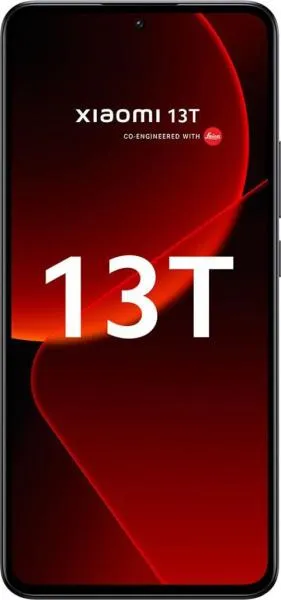
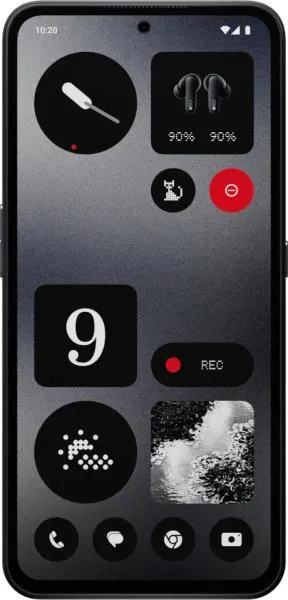
| Feature | Xiaomi 13T | Nothing CMF Phone 1 | Practical Impact |
|---|---|---|---|
| Design | |||
| Dimensions | 162.2 x 75.7 x 8.5 mm | 164 x 77 x 8.2 mm | CMF Phone 1 is slightly taller and wider, but marginally thinner. Difference in hand feel will likely be minimal. |
| Weight | 193g | 197g | Negligible weight difference; both phones are relatively lightweight. |
| Build Materials | Not specified | Not specified | Unable to compare build quality and durability without more information. |
| Display | |||
| Size | 6.67" | 6.67" | Identical screen sizes. |
| Type | AMOLED, 68B colors, 144Hz, Dolby Vision, HDR10+ | AMOLED, 120Hz | Both offer vibrant AMOLED displays. Xiaomi 13T supports a higher refresh rate (smoother animations) and wider color gamut (more accurate colors), alongside Dolby Vision and HDR10+ for enhanced video content. |
| Resolution | 1220 x 2712 (1.5K) | 1080 x 2400 (FHD+) | Xiaomi 13T boasts a significantly sharper display due to the higher resolution. Sharper text and images will be noticeable. |
| Peak Brightness | 2600 nits | 2000 nits | Xiaomi 13T offers significantly higher peak brightness, resulting in better outdoor visibility. |
| Performance | |||
| Chipset | Mediatek Dimensity 8200 Ultra (4nm) | Mediatek Dimensity 7300 (4nm) | Xiaomi 13T has a more powerful chipset, leading to better performance in demanding tasks like gaming and multitasking. |
| CPU | Octa-core (1x3.1 GHz Cortex-A78 & 3x3.0 GHz Cortex-A78 & 4x2.0 GHz Cortex-A55) | Octa-core (4x2.5 GHz Cortex-A78 & 4x2.0 GHz Cortex-A55) | Xiaomi 13T's CPU configuration suggests a performance advantage, especially in single-core tasks. |
| GPU | Mali-G610 MC6 | Mali-G615 MC2 | While specific benchmarks are needed, Xiaomi 13T likely has a more powerful GPU. |
| RAM/Storage | 256GB/12GB | 128GB/8GB RAM, 256GB/8GB RAM | Xiaomi 13T offers more RAM in the compared configuration, benefiting multitasking and app performance. |
| Camera | |||
| Video Capabilities | 4K@30fps (HDR, EIS), 1080p@ various fps (HDR, EIS) | 4K@30fps (EIS), 1080p@ various fps (EIS) | Xiaomi 13T's video recording benefits from HDR support, resulting in better dynamic range in videos. More information (e.g., sensor size, aperture) is needed for detailed camera comparison. |
| Battery | |||
| Capacity | 5000 mAh | 5000 mAh | Identical battery capacities. Real-world battery life will depend on software optimization and usage patterns. |
| Charging Speed | Not Specified | Not Specified | Cannot compare charging speeds without more information. |
2. Key Differences Analysis
Xiaomi 13T Advantages:
- Superior Display: Higher resolution, refresh rate, peak brightness, and wider color gamut lead to a noticeably better visual experience.
- More Powerful Performance: The Dimensity 8200 Ultra and higher RAM configuration provide a significant performance advantage.
- Enhanced Video Recording: HDR video capability offers improved dynamic range.
Nothing CMF Phone 1 Advantages:
- Potentially More Affordable: Depending on specific pricing, the CMF Phone 1 could offer better value within the "medium price" range. More specific pricing information is needed.
- Newer OS: Ships with Android 14, potentially offering newer features and longer software support (though Xiaomi is likely to provide updates).
3. User Profiles & Recommendations
Xiaomi 13T: Ideal for users who prioritize performance, a high-quality display for media consumption and gaming, and smooth user experience.
Nothing CMF Phone 1: Suitable for users seeking a potentially more affordable option who prioritize basic smartphone functionality and a modern OS. More information is needed on price.
4. Decision Framework
Key Questions for Buyers:
- What is your budget? The price difference between the two phones could be a deciding factor.
- How important is display quality and performance? If these are priorities, the Xiaomi 13T is the clear winner.
- What are your primary use cases? Gaming, media consumption, or everyday tasks?
My Choice: Xiaomi 13T
While lacking specific pricing information, the Xiaomi 13T offers a significant advantage in display quality and performance. The superior screen, faster processor, and larger RAM capacity make it a more compelling device for demanding users and those who value a premium visual experience. The 144Hz refresh rate and HDR video capabilities further solidify its position as the more feature-rich device. While the Nothing CMF Phone 1 might be a viable budget-friendly option, the lack of NFC and the lower resolution display are notable drawbacks for me. The Xiaomi 13T's overall performance and feature set make it the better choice, assuming a reasonable price difference.
