1. Specifications Comparison
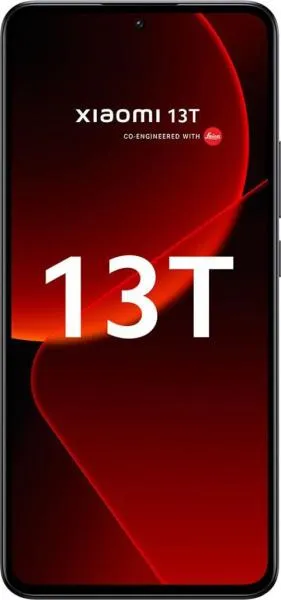
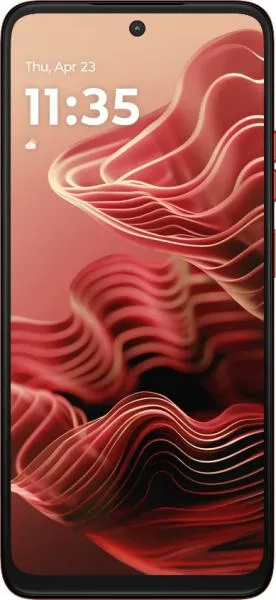
| Feature | Xiaomi 13T | Motorola Moto G35 | Practical Impact |
|---|---|---|---|
| Design | |||
| Dimensions | 162.2 x 75.7 x 8.5 mm | 166.3 x 76 x 7.8 mm | The Moto G35 is slightly larger and thinner. |
| Weight | 193g | 188g | The Moto G35 is slightly lighter. |
| Fingerprint Sensor | Under display | Side-mounted | Preference-based, but under-display is generally considered more modern. |
| Display | |||
| Display Type | AMOLED, 68B colors | IPS LCD | The Xiaomi 13T's AMOLED display offers significantly better contrast, color accuracy, and viewing angles. |
| Size | 6.67" | 6.72" | Negligible size difference. |
| Resolution | 1220 x 2712 (446 ppi) | 1080 x 2400 (392 ppi) | The Xiaomi 13T has a sharper, more detailed display due to higher resolution and pixel density. |
| Refresh Rate | 144Hz | 120Hz | Both offer smooth scrolling and animations; the 144Hz on the 13T will be slightly smoother, especially noticeable in fast-paced gaming. |
| Peak Brightness | 2600 nits | 1000 nits | The Xiaomi 13T will be significantly more visible in direct sunlight. |
| HDR | Dolby Vision, HDR10+ | HDR10 | The Xiaomi 13T supports more advanced HDR standards, resulting in a better HDR viewing experience. |
| Performance | |||
| Chipset | Mediatek Dimensity 8200 Ultra (4nm) | Unisoc T760 (6nm) | The Dimensity 8200 Ultra is a significantly more powerful chipset, resulting in much better performance in demanding tasks and gaming. |
| CPU | Octa-core (1x3.1 GHz Cortex-A78 & 3x3.0 GHz Cortex-A78 & 4x2.0 GHz Cortex-A55) | Octa-core (1x2.2 GHz Cortex-A76 & 3x Cortex-A76 & 4x Cortex-A55) | The 13T's CPU has higher clock speeds and a more powerful architecture, translating to noticeably faster performance. |
| GPU | Mali-G610 MC6 | Mali-G57 | The Mali-G610 MC6 is a more capable GPU, delivering better gaming and graphics performance. |
| RAM | 12GB | 8GB | More RAM allows for smoother multitasking and better performance with multiple apps open. |
| Storage | 256GB | 128GB | The 13T offers double the storage. |
| Battery | |||
| Capacity | 5000 mAh | 5000 mAh | Similar battery capacity. Real-world battery life will depend on usage and optimization, but the 13T's more efficient processor might provide an advantage. |
| Camera | |||
| Video Capabilities | 4K@30fps (HDR, EIS), 1080p various fps (HDR, EIS) | 4K@30fps, 1080p@30fps | The Xiaomi 13T offers more video recording options, including HDR and EIS at various resolutions and frame rates. Detailed camera sensor specifications are missing for comparison. |
2. Key Differences Analysis
Xiaomi 13T Advantages:
- Significantly superior display: AMOLED with higher resolution, refresh rate, brightness, and HDR support.
- Much more powerful performance: Dimensity 8200 Ultra outperforms the Unisoc T760 considerably.
- More RAM and storage: Better for multitasking and storing files.
- More versatile video recording: More options and features.
Motorola Moto G35 Advantages:
- Slightly lighter: Might be preferable for some users.
- Newer Android Version (at launch): Android 14 vs. Android 13. However, the Xiaomi will likely receive updates to newer versions.
- Potentially Lower Price: While both are mid-range, Motorola phones often position themselves on the lower end of the price spectrum.
3. User Profiles & Recommendations
Xiaomi 13T: Users who prioritize performance, a high-quality display, and smooth gaming. Content creators who need versatile video recording capabilities.
Motorola Moto G35: Budget-conscious users who prioritize basic functionality and a long battery life. Users who prefer a clean Android experience and timely updates. Suitable for everyday tasks like browsing, social media, and casual gaming.
4. Decision Framework
Key Questions for Buyers:
- What is your budget? The 13T likely commands a higher price for its superior specs.
- What are your primary use cases? Gaming, content creation, or everyday tasks?
- How important is display quality? The 13T's AMOLED display is a major differentiator.
My Choice: Xiaomi 13T
Reasoning: The Xiaomi 13T offers a significantly better overall package due to its vastly superior display, significantly more powerful processor, larger RAM and storage, and more versatile camera features. While the Moto G35 might be slightly cheaper and lighter, the 13T's advantages in crucial areas like performance and display make it a much more compelling device for most users. The difference in user experience would be noticeable in daily use. Unless budget is extremely tight, the 13T offers a much better value proposition.
