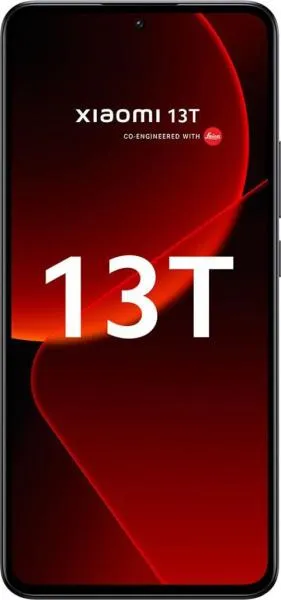
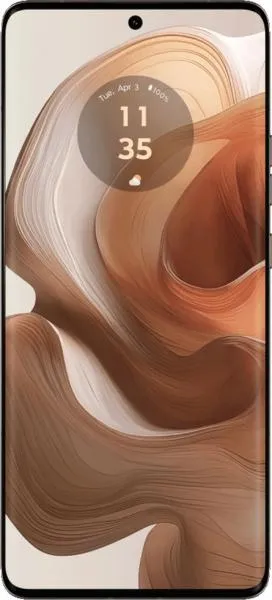
1. Specifications Comparison
| Feature | Xiaomi 13T | Motorola Edge 50 Ultra | Practical Impact |
|---|---|---|---|
| Design | |||
| Dimensions | 162.2 x 75.7 x 8.5 mm | 161.1 x 72.4 x 8.6 mm | Motorola is slightly narrower and shorter, potentially improving one-handed usability. Depth is nearly identical. |
| Weight | 193g | 197g | Negligible weight difference; both phones are relatively heavy. |
| Build Materials | Not specified | Not specified | Unable to compare build quality and durability. |
| Display | |||
| Size | 6.67" | 6.7" | Virtually identical screen sizes. |
| Type | AMOLED, 68B colors | P-OLED, 1B colors | Both offer vibrant colors and deep blacks. The Motorola boasts a wider color gamut, but the real-world difference might be subtle for most users. |
| Refresh Rate | 144Hz | 144Hz | Both offer smooth scrolling and animations for a premium user experience. |
| Peak Brightness | 2600 nits | 2500 nits | Xiaomi offers slightly higher peak brightness, potentially improving outdoor visibility. |
| Performance | |||
| Chipset | Mediatek Dimensity 8200 Ultra | Qualcomm Snapdragon 8s Gen 3 | Snapdragon 8s Gen 3 generally offers better performance, especially in demanding tasks and gaming, though Dimensity 8200 Ultra is no slouch. |
| CPU | Octa-core (1x3.1 GHz Cortex-A78 & 3x3.0 GHz Cortex-A78 & 4x2.0 GHz Cortex-A55) | Octa-core (1x3.0 GHz Cortex-X4 & 4x2.8 GHz Cortex-A720 & 3x2.0 GHz Cortex-A520) | Snapdragon's more modern core architecture likely results in superior performance and efficiency. |
| GPU | Mali-G610 MC6 | Adreno 735 | Adreno 735 offers significantly better graphics performance for gaming and visually intensive applications. |
| RAM | 12GB | 16GB | More RAM in the Motorola allows for smoother multitasking and better performance with memory-intensive apps. |
| Storage | 256GB | 512GB | Motorola offers double the storage, beneficial for users who store lots of media or install numerous apps. |
| Battery | |||
| Capacity | 5000 mAh | 4500 mAh | Xiaomi offers a larger battery, potentially translating to longer battery life. However, real-world usage will depend on software optimization and user habits. |
| Charging Speed | Not specified | Not specified | Unable to compare charging speeds. |
| Camera | |||
| Video Capabilities | 4K@30fps, 1080p up to 120fps | Up to 4K@60fps, 1080p up to 960fps | Motorola supports higher resolution and frame rate video recording, offering more flexibility for content creation. Slow-motion video recording is also significantly better. |
| Specific Sensor Details | Not specified for either phone. | Not specified for either phone. | Comprehensive camera comparison is impossible without sensor size, aperture, and other details. |
2. Key Differences Analysis
Xiaomi 13T Advantages:
- Larger Battery: Potentially longer battery life.
- Brighter Display: Better visibility in direct sunlight.
Motorola Edge 50 Ultra Advantages:
- More Powerful Processor: Smoother performance for demanding tasks and gaming.
- More RAM and Storage: Better multitasking and ample space for files and apps.
- Superior Video Recording: More versatile video recording capabilities for content creators.
- Newer OS: Starts with Android 14, offering potential feature and security advantages. More future updates likely.
- Faster USB Connectivity: USB 3.1 Gen 2 offers significantly faster data transfer speeds than USB 2.0.
3. User Profiles & Recommendations
Xiaomi 13T: Users prioritizing battery life and outdoor visibility on a budget.
Motorola Edge 50 Ultra: Users who value top-tier performance, ample storage, future-proofing with OS updates, and advanced video recording capabilities. Good for gamers and power users.
4. Decision Framework
Key Questions for Buyers:
- What is your budget? While both are mid-range, actual pricing may vary.
- What are your primary use cases? (Gaming, photography, general use, etc.)
- How important is battery life to you?
My Choice: Motorola Edge 50 Ultra
While the Xiaomi 13T offers a larger battery and slightly brighter display, the Motorola Edge 50 Ultra's superior performance, larger storage, more advanced video capabilities, newer OS with more guaranteed updates, and faster USB connectivity make it the more compelling device for me. I prioritize long-term performance and features over marginal gains in battery capacity, especially considering that real-world battery life is heavily influenced by usage patterns and software optimization. The Snapdragon 8s Gen 3 offers a substantial performance advantage that will likely age better over time. The faster USB standard is also crucial for quicker data backups and file transfers. While lacking full camera specifications limits a complete analysis, the video recording capabilities clearly favor the Motorola.
