1. Specifications Comparison
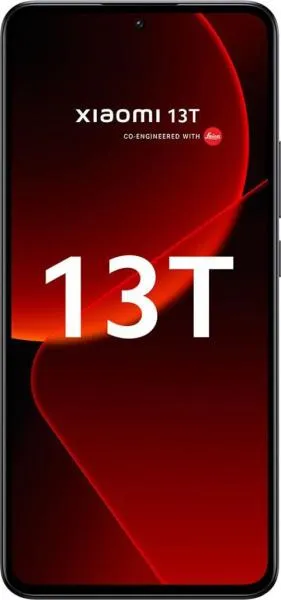
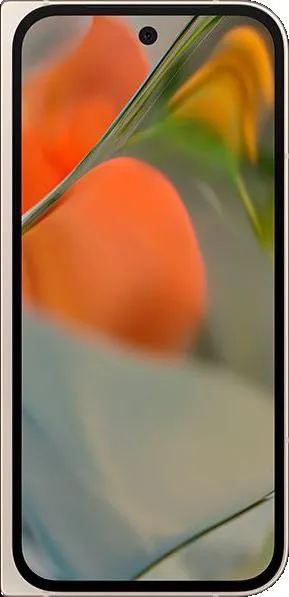
| Feature | Xiaomi 13T | Google Pixel 9 Pro Fold | Practical Impact |
|---|---|---|---|
| Design | |||
| Dimensions | 162.2 x 75.7 x 8.5 mm | 155.2 x 150.2 x 5.1 mm (Folded) | Pixel Fold is significantly wider when unfolded, impacting pocketability. Xiaomi 13T is thinner overall. |
| Weight | 193g | 257g | Pixel Fold is noticeably heavier, potentially causing fatigue during extended use. |
| Foldable | No | Yes | Pixel Fold offers a larger screen real estate when unfolded for multitasking and media consumption but introduces a crease and potential durability concerns. |
| Display | |||
| Size | 6.67" | 8" (Unfolded) | Pixel Fold offers a larger display area for multitasking and media but is less pocketable. |
| Type | AMOLED | Foldable LTPO OLED | Pixel Fold's LTPO technology allows for dynamic refresh rate adjustment, potentially saving battery. Foldable display introduces a crease. |
| Resolution | 1220 x 2712 | 2076 x 2152 | Both offer sharp displays, but the Pixel Fold has a lower pixel density due to its larger size. |
| Refresh Rate | 144Hz | 120Hz | Xiaomi 13T offers smoother scrolling and animations, although the difference between 120Hz and 144Hz is minimal in real-world use. |
| Peak Brightness | 2600 nits | 2700 nits | Pixel Fold offers slightly better visibility in direct sunlight. |
| Performance | |||
| Chipset | Mediatek Dimensity 8200 Ultra | Google Tensor G4 | Tensor G4 is likely optimized for AI and machine learning tasks, while Dimensity 8200 Ultra may offer better general performance. |
| CPU | Octa-core (1x3.1 GHz Cortex-A78 & 3x3.0 GHz Cortex-A78 & 4x2.0 GHz Cortex-A55) | Octa-core (1x3.1 GHz Cortex-X4 & 3x2.6 GHz Cortex-A720 & 4x1.92 GHz Cortex-A520) | Tensor G4's Cortex-X4 core likely provides superior single-core performance. Real-world performance depends on optimization. |
| RAM | 12GB | 16GB | Pixel Fold's larger RAM enables better multitasking and app switching. |
| Storage | 256GB | 512GB | Pixel Fold offers double the storage, crucial for users who store large files or numerous apps. |
| Battery | |||
| Capacity | 5000 mAh | 4650 mAh | Xiaomi 13T likely offers longer battery life due to its larger capacity and lower refresh rate display on average use. |
| Camera | |||
| Video Capabilities | Up to 4K@30fps with EIS | Up to 4K@60fps with OIS and EIS | Pixel Fold offers superior video stabilization (OIS) and higher frame rate recording options. No detailed camera specs are provided for comparison beyond video. |
2. Key Differences Analysis
Xiaomi 13T Advantages:
- Lower Price: Positioned in the "medium price" range.
- Longer Battery Life: Larger battery and lower average refresh rate likely contribute to longer usage time.
- Smoother Display: 144Hz refresh rate offers a slightly smoother visual experience.
- Lighter and More Pocketable: Significantly lighter and less bulky than the Pixel Fold.
Google Pixel 9 Pro Fold Advantages:
- Larger, Foldable Display: Offers more screen real estate for multitasking and media consumption.
- More Powerful Chipset (Potentially): Tensor G4 likely excels in AI and specific Google services.
- More RAM and Storage: 16GB RAM and 512GB storage provide ample resources for demanding tasks and large files.
- Superior Video Recording: Offers higher resolution, frame rate, and optical image stabilization for video.
Trade-offs:
- Foldability vs. Durability/Weight: Pixel Fold's foldable screen introduces a crease and increased weight and thickness.
- Price vs. Features: Pixel Fold's premium features come at a significantly higher price.
3. User Profiles & Recommendations
Xiaomi 13T: Ideal for users seeking a powerful, affordable smartphone with a smooth display and long battery life. Suitable for everyday tasks, gaming, and media consumption on the go.
Google Pixel 9 Pro Fold: Ideal for power users who value a large, foldable screen for multitasking, productivity, and immersive media consumption. Suitable for professionals, content creators, and those who prioritize the latest technology.
4. Decision Framework
Key Questions for Buyers:
- Budget: Are you willing to pay a premium for the foldable form factor and advanced features of the Pixel Fold?
- Screen Size and Portability: Do you prioritize a larger screen for multitasking or a more pocketable device?
- Usage Pattern: Will you primarily use the phone for everyday tasks, media consumption, gaming, or demanding productivity work?
Scenario-Based Recommendations:
- Limited Budget, Everyday Use: Xiaomi 13T
- Power User, Multitasking Focus: Google Pixel 9 Pro Fold
- Media Consumption and Gaming: Xiaomi 13T (for longer battery) or Pixel Fold (for larger screen) - depends on budget and portability preference.
My Choice: Xiaomi 13T
While the Google Pixel 9 Pro Fold offers cutting-edge technology and a unique form factor, the Xiaomi 13T provides a more compelling overall package for my needs. I prioritize a smooth display, long battery life, and a comfortable in-hand feel. The 144Hz refresh rate and larger battery capacity of the Xiaomi 13T, combined with its lower price point, make it a more practical choice for my daily usage. The foldable screen of the Pixel Fold, while impressive, doesn't outweigh the significant price difference and added bulk for my personal use case. I am also wary of the potential durability issues associated with foldable phones. Finally, while the Tensor G4 may have advantages in AI, my primary use doesn't heavily rely on these features, making the Dimensity 8200 Ultra a sufficient and more cost-effective choice.
