1. Specifications Comparison
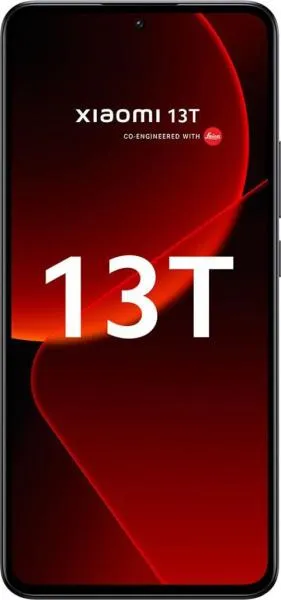
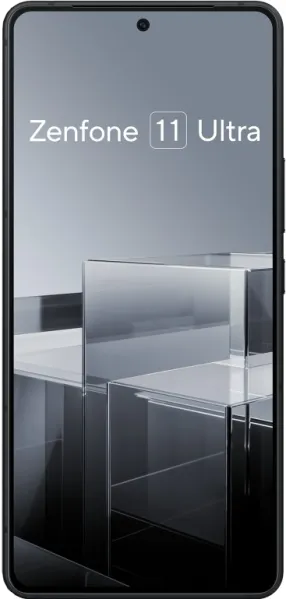
| Feature | Xiaomi 13T | Asus Zenfone 11 Ultra | Practical Impact |
|---|---|---|---|
| Design | |||
| Dimensions | 162.2 x 75.7 x 8.5 mm | 163.8 x 76.8 x 8.9 mm | Zenfone 11 Ultra is slightly larger and thicker. |
| Weight | 193g | 224g | Zenfone 11 Ultra is noticeably heavier, potentially impacting one-handed use. |
| Display | |||
| Size | 6.67" | 6.78" | Negligible difference in screen real estate. |
| Type | AMOLED, 144Hz, Dolby Vision, HDR10+ | LTPO AMOLED, 144Hz, HDR10 | Xiaomi offers Dolby Vision and HDR10+ for potentially better dynamic range and color accuracy. Both have smooth 144Hz refresh rates. |
| Resolution | 1220 x 2712 | 1080 x 2400 | Xiaomi has a sharper display (446 ppi vs 388 ppi). |
| Peak Brightness | 2600 nits | 2500 nits | Xiaomi is slightly brighter in peak brightness scenarios, like direct sunlight. |
| Performance | |||
| Chipset | Dimensity 8200 Ultra | Snapdragon 8 Gen 3 | Snapdragon 8 Gen 3 generally offers better performance, particularly in GPU-intensive tasks. |
| CPU | Octa-core (1x3.1 GHz A78...) | Octa-core (1x3.3 GHz X4...) | Snapdragon 8 Gen 3 has a more powerful prime core for better single-core performance. |
| GPU | Mali-G610 MC6 | Adreno 750 | Adreno 750 generally provides superior graphics performance. |
| RAM/Storage | 12GB/256GB | 16GB/512GB | Zenfone 11 Ultra offers significantly more RAM and storage. |
| Battery | |||
| Capacity | 5000 mAh | 5500 mAh | Zenfone 11 Ultra has a larger battery, potentially leading to longer battery life. |
2. Key Differences Analysis
Xiaomi 13T Advantages:
- Sharper Display: Higher resolution leads to crisper text and images.
- Brighter Display: Better visibility in direct sunlight.
- Potentially Lighter and More Compact: Easier for one-handed use and portability.
- Dolby Vision and HDR10+: Potentially better HDR performance.
Asus Zenfone 11 Ultra Advantages:
- More Powerful Processor: Better overall performance for demanding tasks and gaming.
- Larger RAM and Storage: More multitasking capability and ample space for apps and files.
- Larger Battery: Potentially longer battery life.
- More Comprehensive Video Recording Options: Offers 8K recording and higher frame rate slow-motion.
3. User Profiles & Recommendations
Xiaomi 13T: Users prioritizing a sharp, bright display, and a lighter, more compact design. Suitable for everyday tasks, media consumption, and moderate gaming.
Asus Zenfone 11 Ultra: Users who demand top-tier performance for gaming, demanding applications, and content creation. The larger storage also caters to users who store a lot of media.
4. Decision Framework
Key Questions:
- What is your budget and how important is price to you? Both are in the mid-range, but actual pricing may vary.
- What are your primary use cases? Gaming, photography, general use?
- Do you prioritize portability and one-handed use or raw performance and battery life?
Scenario-Based Recommendations:
- Heavy gamer: Asus Zenfone 11 Ultra
- Everyday user with focus on media consumption: Xiaomi 13T (if display quality is paramount)
- User needing long battery life and ample storage: Asus Zenfone 11 Ultra
My Choice: Asus Zenfone 11 Ultra
While the Xiaomi 13T offers a compelling display, the Asus Zenfone 11 Ultra's superior performance, larger RAM and storage, and bigger battery are more significant factors for me. The Snapdragon 8 Gen 3 provides a noticeable performance advantage, future-proofing the device for demanding applications and games. The extra RAM ensures smooth multitasking, and the larger storage eliminates concerns about running out of space. The slightly larger battery capacity aligns with my preference for extended usage without frequent charging. Though heavier, the performance benefits outweigh the slight increase in size and weight. The more advanced video recording capabilities are a bonus, offering greater creative flexibility.
